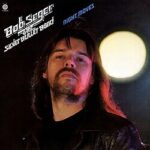
 In 1976, Bob Seger released a song that would become one of the defining moments of his career, a track that perfectly encapsulates the bittersweet tensions of adolescence, desire, and the passage of time. “Night Moves,” from the album of the same name, stands as a masterful blend of narrative storytelling, evocative melody, and emotional resonance, establishing Seger not only as a rock artist with undeniable charisma but also as a songwriter with a keen ear for the nuances of memory, longing, and human connection. The song’s enduring appeal lies in its ability to capture a specific emotional truth—those fleeting, formative experiences of youth that linger in memory with a combination of clarity and haze—while wrapping that truth in music that feels timeless, intimate, and immediately relatable.
From the very first notes, “Night Moves” establishes an atmosphere of introspection and nostalgia. The opening guitar chords, slow and deliberate, immediately evoke a sense of anticipation and tension, as though the listener is being drawn into a private recollection. Seger’s voice enters with a husky, reflective quality, carrying both warmth and a subtle weariness, as though he is simultaneously immersed in the memory and observing it from a distance. The production, handled with care, balances the instrumental and vocal elements perfectly: the gentle strum of acoustic guitar, the understated yet insistent drums, and the tasteful piano accents create a sonic backdrop that feels both expansive and intimately close. This careful arrangement allows the story Seger tells to unfold with clarity and impact, each musical element reinforcing the emotional tone of the lyrics.
Lyrically, “Night Moves” is a masterclass in evocative storytelling. Seger recounts the excitement, awkwardness, and thrill of young love with an unflinching honesty that feels autobiographical without ever becoming overly specific. The song opens with imagery of a warm summer evening and the anticipation of a rendezvous: “I was a little too tall, could’ve used a few pounds / Tight pants, points, hardly renowned.” From the very first line, Seger situates the listener in a concrete, tactile world, drawing them into the sensory and emotional details of the moment. There is an immediacy to his storytelling, a sense that we are witnessing events as they unfold, rather than hearing a retrospective summary. This ability to inhabit the perspective of his younger self allows the song to resonate across generations, evoking the universal experience of youthful discovery and desire.
The narrative of “Night Moves” moves effortlessly between the exhilaration of first love and the reflective gaze of adulthood. Seger’s lyrics explore not only the physical aspects of attraction but also the emotional complexities that accompany them—the uncertainty, the longing, the fleeting nature of the experience. Lines like “Chasing some girls / Fever pitch and a fist fight” convey both the recklessness and intensity of youth, while later reflections on those same moments reveal their enduring impact: “I’ll take you in tonight, songbird.” This duality—the immediacy of lived experience and the contemplative perspective of memory—is part of what gives the song its depth and emotional power. It is not merely a nostalgic recounting; it is an exploration of the ways in which our formative experiences shape our identities and inform our understanding of love, connection, and desire.
Musically, the song mirrors the lyrical tension between youthful urgency and reflective hindsight. The arrangement begins sparsely, allowing the story to breathe, then gradually builds with the addition of electric guitar, piano, and percussion, creating a sense of momentum and intensity that mirrors the unfolding narrative. The dynamics of the track—soft verses contrasted with more forceful choruses—enhance the emotional impact, allowing the listener to feel the highs and lows of the protagonist’s experience. Seger’s vocal delivery is central to this effect; his voice carries a blend of grit and tenderness, conveying both the physicality of youthful passion and the introspective weight of memory. The interplay between instrument and voice creates a rich, immersive listening experience, one that draws the audience into the emotional world of the song with an almost cinematic quality.
The song’s power lies not only in its narrative but also in its emotional authenticity. Seger’s lyrics are grounded in realism, avoiding romanticized clichés while capturing the intensity of adolescent emotions with precision. The details—the small-town setting, the thrill of a secret encounter, the mix of innocence and daring—lend credibility to the story and allow listeners to see themselves within it. Seger’s ability to evoke these experiences so vividly without resorting to melodrama is a hallmark of his songwriting skill, demonstrating his capacity to translate personal or observed experience into universally relatable art. Each line of the song feels considered and essential, contributing to a coherent emotional journey that carries the listener from anticipation to climax to reflection.
“Night Moves” also captures the interplay between memory and music. The song’s reflective quality is heightened by its melodic structure and harmonic choices. The chord progressions, while seemingly simple, are carefully constructed to evoke nostalgia and longing. The balance between major and minor tonalities creates a sense of bittersweet tension, reflecting the dual nature of the song’s themes: joy and melancholy, desire and loss, immediacy and retrospection. This musical sophistication, coupled with Seger’s emotive performance, ensures that the song resonates on multiple levels, offering both a narrative and a mood that listeners can inhabit and revisit repeatedly.
The cultural impact of “Night Moves” was significant upon its release and has continued to grow over the decades. In 1976, the song’s intimate depiction of adolescent desire and personal reflection stood out against a landscape of rock music often dominated by bravado, aggression, or generalized love themes. Seger’s willingness to explore vulnerability, memory, and nuanced emotional experience contributed to the song’s immediate appeal and helped solidify his reputation as a songwriter capable of blending rock energy with lyrical sophistication. The track resonated widely, reaching audiences who recognized their own experiences in its narrative and who were drawn to its honesty and relatability. Over time, it has become one of Seger’s signature compositions, a reference point for discussions of storytelling in rock music and a template for emotionally resonant songwriting.
The production of the song enhances its timeless quality. Recorded with a clarity and warmth that highlights the acoustic and electric elements without overshadowing the vocal performance, “Night Moves” achieves a balance between intimacy and grandeur. The layering of instruments is subtle but effective, providing depth and texture while maintaining focus on the lyrical narrative. This approach allows the listener to engage fully with the story being told, creating a sense of immersion that enhances the song’s emotional impact. The careful attention to detail in the production demonstrates Seger’s and his collaborators’ understanding of how sonic texture can reinforce storytelling, ensuring that the song’s emotional core is consistently foregrounded.
Another notable aspect of “Night Moves” is its treatment of desire and sexuality. The song addresses physical attraction and the excitement of sexual discovery with frankness and nuance, portraying these experiences as integral to the journey of growing up rather than as sensationalized or purely titillating. Lines describing intimate encounters are rendered with sensitivity and specificity, conveying both the intensity and tenderness of the moments. This approach contributes to the song’s authenticity, allowing it to resonate with listeners who recognize their own youthful experiences in Seger’s narrative. The treatment of desire is neither exploitative nor simplistic; it is layered, acknowledging the complexity of emotion, attraction, and human connection.
The reflective quality of the lyrics extends beyond the immediacy of the youthful encounters. Seger situates the song in a broader context of personal growth and change, acknowledging the way formative experiences shape identity and understanding. The juxtaposition of present reflection with past experience creates a temporal depth, allowing the listener to feel the continuity of memory and the way past moments inform the present self. This narrative strategy enhances the song’s emotional resonance, offering insights into the processes of maturation, longing, and the enduring power of formative experiences.
“Night Moves” is also notable for its narrative pacing. Seger carefully modulates the song’s tempo and dynamics to mirror the ebb and flow of the story being told. The gradual build of instrumentation and vocal intensity parallels the emotional escalation of the narrative, while moments of restraint provide space for reflection and immersion. This dynamic control contributes to the song’s cinematic quality, creating a sense of journey that is both literal in the story and metaphorical in its emotional impact. The listener is carried along with the protagonist, experiencing the anticipation, thrill, and reflection in a way that feels immediate and deeply engaging.
The song’s enduring appeal is also tied to its universal themes. While rooted in the specificity of Seger’s narrative voice and the small-town setting he evokes, the song speaks to experiences that are widely relatable: the exhilaration and vulnerability of first love, the interplay of memory and desire, and the bittersweet recognition of time’s passage. Its ability to balance narrative specificity with emotional universality is a hallmark of great songwriting, ensuring that listeners from different generations, cultures, and backgrounds can find meaning and resonance within the story. “Night Moves” transcends its immediate context, becoming not just a song about adolescence and desire but a meditation on human experience more broadly.
Seger’s performance on the track, both vocally and instrumentally, reinforces the song’s authenticity. His voice carries a combination of grit and tenderness, reflecting the complexity of the emotions being conveyed. The instrumental accompaniment, while understated, is perfectly suited to the narrative, providing support and texture without distracting from the lyrics. The synergy between voice and instruments creates a holistic listening experience, one in which the story, the mood, and the musical expression are inseparable. This alignment of musical and narrative elements is a key factor in the song’s enduring resonance and emotional impact.
Ultimately, “Night Moves” endures because it captures the essence of human experience with clarity, nuance, and emotional depth. It is a song that reflects the thrill, vulnerability, and nostalgia of youth while simultaneously exploring the enduring impact of those formative moments. Seger’s ability to craft a narrative that is both specific and universal, combined with his skillful vocal performance and carefully considered musical arrangement, ensures that the song continues to resonate with listeners across generations. Its enduring power lies in its authenticity, its emotional honesty, and its capacity to evoke memory, desire, and reflection with a precision that few songs achieve.
The track’s legacy extends beyond its immediate popularity. It has influenced countless musicians and songwriters seeking to capture the emotional intensity of personal experience within the framework of rock music. Its emphasis on narrative, emotional authenticity, and careful attention to musical detail provides a model for storytelling in song, demonstrating that popular music can achieve profound emotional and artistic impact without relying on spectacle or grandiosity. “Night Moves” stands as a testament to the enduring potential of rock music to convey human experience with nuance, insight, and emotional resonance.
In the final analysis, “Night Moves” is more than a song about adolescence, desire, or small-town experiences. It is a meditation on memory, the passage of time, and the enduring power of formative experiences to shape identity and emotion. Its careful combination of narrative clarity, musical sophistication, and vocal authenticity ensures that it remains compelling, emotionally resonant, and culturally significant. Bob Seger created a work that transcends its era, offering listeners a deeply human and timeless reflection on love, longing, and the memories that define us. Its continued relevance is a testament to the artistry, insight, and emotional intelligence of one of rock music’s most enduring voices.
This post has already been read 14080 times!