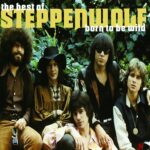
 Steppenwolf’s “Born to Be Wild” is more than just a rock song—it is an enduring anthem, a cultural touchstone, and the soundtrack to the restless, free-spirited ethos of a generation. Released in 1968 as the lead single from their self-titled debut album, the track instantly cemented itself as a rallying cry for freedom, adventure, and rebellion. Its driving guitar riffs, commanding vocals, and unapologetic energy captured the zeitgeist of the late 1960s, a time defined by social upheaval, countercultural movements, and a hunger for liberation from societal constraints. Over the decades, “Born to Be Wild” has not only become synonymous with motorcycle culture and the open road, largely thanks to its inclusion in the film Easy Rider, but it has also endured as a symbol of unbridled self-expression and the thrill of living life on one’s own terms.
Musically, the song is a masterclass in hard rock innovation, blending bluesy riffs, rollicking rhythms, and a sense of immediacy that demands attention from the first note. The opening guitar riff, played with a raw and aggressive tone, instantly signals the song’s rebellious spirit. It is a riff that has become iconic, recognizable to nearly anyone who has spent time listening to classic rock, and it sets the stage for the energetic vocal delivery of lead singer John Kay. The rhythm section, anchored by a punchy bassline and propulsive drums, drives the track forward with relentless momentum, creating a sonic backdrop that evokes the sensation of speed, freedom, and the thrill of the open road. Keyboards add a subtle texture, filling out the sound without detracting from the raw power of the guitars and vocals. The arrangement, though straightforward, is perfectly calibrated, allowing each element to contribute to the song’s explosive energy.
John Kay’s vocals are at the heart of “Born to Be Wild.” His gritty, commanding voice carries a sense of urgency and defiance, perfectly embodying the song’s themes of adventure and nonconformity. The phrasing of lines like “Get your motor runnin’, head out on the highway” conveys a sense of immediacy, as if the listener is being beckoned into a world of exhilaration and rebellion. Kay’s delivery balances raw aggression with infectious enthusiasm, capturing both the daring and the joy inherent in breaking free from societal expectations. There is a theatricality to his performance, a sense of storytelling that elevates the song beyond mere rock bravado, transforming it into a narrative about freedom, risk, and the intoxicating allure of the unknown.
Lyrically, “Born to Be Wild” is a manifesto of liberation. The song celebrates the idea of living untethered, embracing the road, and rejecting conformity. Lines like “I like smoke and lightning, heavy metal thunder” evoke images of power, danger, and adrenaline, reflecting both the excitement of adventure and the intensity of a life lived on one’s own terms. The lyrics speak to a universal desire for autonomy, the thrill of breaking away from restrictions, and the ecstasy of experiencing life at full speed. Though the song is often associated with motorcycle culture, its themes transcend any single activity or lifestyle, resonating with anyone who has felt the call of independence, risk, and personal freedom.
“Born to Be Wild” is also notable for its role in defining the emerging heavy metal and hard rock genres. While the song predates what would later be labeled as heavy metal, it contains many of the stylistic hallmarks that would come to define the genre: distorted, driving guitars, emphatic drumming, aggressive vocals, and anthemic choruses. Its riff-driven structure, combined with lyrical themes of rebellion and power, provided a blueprint for countless bands that would follow in Steppenwolf’s footsteps. The song’s influence can be traced through the evolution of rock music, from hard rock and heavy metal to punk and beyond, demonstrating its enduring relevance and impact on the musical landscape.
The cultural significance of “Born to Be Wild” was amplified by its inclusion in the 1969 film Easy Rider, a movie that itself became a defining statement of countercultural identity. The song’s presence in the film, particularly in scenes depicting open roads, motorcycles, and the pursuit of freedom, cemented its association with rebellion, adventure, and the spirit of the era. It was more than a soundtrack choice; it became a statement, a musical declaration that encapsulated the ideals and aspirations of a generation seeking to break free from social constraints and explore life on its own terms. The film and the song together created a powerful cultural moment, one that has continued to resonate with audiences for decades.
The energy of “Born to Be Wild” is infectious, making it a favorite not only on the radio but also in live performance. Steppenwolf’s stage presence, combined with the song’s high-octane arrangement, makes it an exhilarating experience for audiences. The interplay between the band members—the driving guitar riffs, the steady pulse of the rhythm section, and Kay’s commanding vocals—creates a sense of immediacy and engagement, as if the listener is riding alongside them on the open road. The song’s structure, with its build-ups, choruses, and instrumental breaks, maintains momentum while providing opportunities for musical interplay and improvisation, showcasing the band’s talent and energy in a live setting.
The song’s lasting appeal can also be attributed to its ability to encapsulate a universal human desire: the longing for freedom and adventure. While the imagery of motorcycles, highways, and heavy metal thunder is specific, the emotional resonance is universal. The song speaks to anyone who has ever dreamed of leaving behind limitations, exploring new horizons, and embracing the exhilaration of life on their own terms. This emotional accessibility, combined with the song’s musical brilliance, ensures that “Born to Be Wild” remains relevant and impactful decades after its initial release.
From a technical perspective, the song’s production enhances its raw energy and rebellious spirit. The recording captures the band’s live intensity while emphasizing clarity in the instrumentation. The guitars cut through the mix with sharpness, the drums provide both power and precision, and the bass grounds the track with a driving force that propels it forward. John Kay’s vocals sit prominently in the mix, ensuring that the lyrics and emotion are front and center. The production balances polish with grit, reflecting the band’s raw power while maintaining a level of sonic sophistication that contributes to the track’s enduring appeal.
The phrase “heavy metal thunder,” which appears in the lyrics, is particularly noteworthy. It has often been cited as one of the earliest uses of the term “heavy metal” in popular music, predating the widespread adoption of the term to describe a genre. While Steppenwolf did not invent heavy metal, the song’s lyrical and musical content contributed to the conceptual and cultural framework that would define the genre in the years to come. This historical significance adds another layer to the song’s importance, positioning it not just as a hit single or cultural touchstone, but as a milestone in the evolution of rock music.
The song’s appeal has endured in part because of its versatility. While it is indelibly linked to the 1960s counterculture and motorcycle imagery, it has been embraced by generations of listeners for various reasons: its musicality, its energy, its themes of freedom, and its role in popular culture. It has appeared in films, television shows, commercials, and countless personal playlists, cementing its status as a cultural staple. Its universality allows it to transcend time, remaining relevant to audiences who may have no direct connection to the era in which it was created, but who can nonetheless relate to its spirit of rebellion and adventure.
Live performances of “Born to Be Wild” reveal the song’s enduring vitality. The band’s energy, the crowd’s engagement, and the song’s driving rhythm create a communal experience that mirrors the freedom and exhilaration described in the lyrics. Each performance becomes a celebration of the ideals the song embodies: independence, audacity, and the joy of breaking free. The song’s ability to inspire and energize listeners in a live setting is a testament to its craftsmanship, power, and emotional resonance.
The song also resonates on a symbolic level. “Born to Be Wild” is often interpreted as a statement about the human desire for self-determination, the thrill of exploration, and the pursuit of authentic experience. It is a call to live boldly, to embrace risk, and to reject conformity. This thematic richness, combined with its musical dynamism, ensures that the song remains relevant and compelling, capable of speaking to new generations of listeners while retaining its connection to the era in which it was created.
Over fifty years after its release, “Born to Be Wild” continues to captivate audiences and influence musicians. Its combination of memorable riffs, commanding vocals, and thematic resonance has inspired countless artists across genres, from hard rock and heavy metal to punk and beyond. The song’s integration into popular culture, its role in shaping the sound and image of rebellion in music, and its enduring presence on radio and streaming platforms attest to its lasting impact. Steppenwolf created a track that is both of its time and timeless, capturing the spirit of a generation while remaining relevant to listeners today.
Ultimately, “Born to Be Wild” endures because it is more than a rock song; it is an experience, a manifesto, and a celebration of freedom. Its raw energy, memorable riffs, and evocative lyrics combine to create a track that is exhilarating, empowering, and instantly recognizable. John Kay’s performance, the band’s tight musicianship, and the song’s cultural significance all contribute to its legendary status. It is a song that speaks to the human desire for adventure, independence, and authenticity, encapsulating a spirit that resonates across time, culture, and personal experience.
“Born to Be Wild” is not just an anthem for motorcyclists or rock fans—it is an anthem for anyone who has ever felt the urge to break free, to chase their own path, and to embrace life without hesitation. Its energy, its attitude, and its message continue to inspire, energize, and captivate, making it a quintessential piece of rock history and a defining moment in Steppenwolf’s career. It stands as a testament to the power of music to encapsulate ideals, evoke emotion, and create enduring cultural resonance, reminding listeners that some songs, like some lives, are meant to be lived full throttle, without compromise, and always with a sense of daring.
This post has already been read 6577 times!