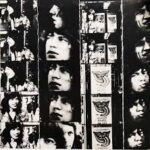
 There’s a magic that lives inside “Loving Cup” by the Rolling Stones, a kind of sun-bleached, whiskey-stained warmth that feels both triumphant and barely holding it together. It’s one of those rare songs that somehow sounds like morning light coming through dusty curtains and a bar fight breaking out at the same time. Pulled from Exile on Main St.—the Stones’ most chaotic, mythologized, and creatively fertile era—“Loving Cup” isn’t just a standout track. It’s a spiritual moment disguised as a rock ’n’ roll song, a confession wrapped in horns, pianos, and Keith Richards’ slinky guitar lines. It’s the kind of song that makes you want to raise a glass, shout a little, and maybe even believe that messy, flawed people can still chase a little grace.
“Loving Cup” feels like the definition of everything the Stones did best: swagger and sincerity, grit and glamour, looseness and precision. Mick Jagger delivers one of his most soulful performances here. He doesn’t just sing—he pleads, preens, cracks, and testifies. His voice sounds worn but warm, full of desire and desperation, as if he’s digging into emotions much bigger than the swaggering persona he usually wore so easily. That’s part of the magic: the song doesn’t feel like a performance; it feels like a release. He leans into country-gospel rasp, channeling something ancient and rural while still sounding unmistakably like the frontman of the world’s biggest rock band. When he cries, “What a beautiful buzz,” it’s not just about intoxication—it’s about the dizzying feeling of being alive, flawed, and reaching for something pure anyway.
Musically, “Loving Cup” is a glorious tangle. The track is bursting with instruments that somehow never trip over each other: Nicky Hopkins’ gorgeous, rolling piano; that triumphant horn section that seems to rise out of nowhere; Keith’s harmonies that somehow sound like a best friend shouting across the room; Bill Wyman’s bass holding everything down; and Charlie Watts keeping time like the only sober guy in the room. It’s messy, but beautifully so—warm, organic, and deeply human. There are small imperfections in the recording, slight timing quirks, and rough edges everywhere. And yet those flaws give the song its soul. If anything, they make it more alive. “Loving Cup” is the opposite of polished; it’s lived-in, sunburned, and gloriously frayed around the edges.
Part of its charm comes from its roots in the roller-coaster world of the Exile sessions. The Rolling Stones were essentially fugitives from the British tax system in 1971, holed up in the Villa Nellcôte in the south of France. The basement was a humid, chaotic warren of wires, amps, and musicians drifting in and out at all hours. Songs were born in fragments, often recorded during whichever brief moments the electricity actually worked. Drugs, decadence, and brilliance all mixed together, and “Loving Cup” is one of the clearest windows into that soup. Something about its joyous looseness captures exactly what the Stones were experiencing—life at its most ridiculous and its most inspired. The track feels like a toast raised during a storm.
Lyrically, “Loving Cup” is a gem. The words tumble out like half-finished diary entries or confessions shouted over a bar. Jagger sings about shaking hands that won’t stay still, about needing to “borrow a cup of sugar” in the bawdiest possible metaphor, about wanting to “lean on your window sill.” It’s tender and sensual, but with that distinctive Stones edge—not crude, not sentimental, just raw and intimate. He’s not pretending to be a hero here. He’s a wreck of a man trying to offer whatever battered love he can. And somehow, that vulnerability makes the song feel bigger, more honest. It’s the Stones at their most emotionally open, without losing their trademark cool.
It’s impossible to talk about “Loving Cup” without mentioning Keith Richards’ harmonies, which might be the real secret ingredient. His voice cracks beautifully, weaving around Mick’s in a way that feels both ragged and heavenly. When Mick and Keith sing together on a song like this, it doesn’t sound like two people—it sounds like the soul of the band itself, a single character made up of their chaotic partnership. Their blend is imperfect in the best way. It sounds like two friends singing their hearts out after too many late nights, barely in tune but absolutely in sync.
And then there’s Nicky Hopkins, whose piano work on “Loving Cup” is nothing short of divine. He gives the song its buoyancy, its rolling motion, its sense of uplift. The way the piano dances and swirls beneath the vocals is pure gospel energy, giving the track a spiritual lift that makes the chorus hit like sunlight. Hopkins was never a full-time Stone, but on this track he feels like the heartbeat of the band. The song practically levitates because of him.
“Loving Cup” is also one of those rare Stones songs that gets even better when played live. Famously included in the Rolling Stones’ 1969 Let It Bleed film performance, and later revived with Jack White for the 2006 Shine a Light soundtrack, the song explodes with even more energy onstage. When the horns hit, when the crowd roars that “beautiful buzz” line back at the band, when Mick leans into the song’s trembling vulnerability—it becomes something communal. The live versions highlight everything the studio version suggests: this is a celebration, a confession, a shot of adrenaline, and a hymn, all wrapped into one.
What makes “Loving Cup” so enduring is that it lives in a sweet spot between the Stones’ blues roots and their later arena-sized swagger. It’s joyful without being cheesy, emotional without being mushy, and loose without being lazy. It’s exactly the kind of song that reminds you why the Rolling Stones became legends—not because they were perfect musicians, but because they were fearless ones. They were willing to let the cracks show, to embrace grit and spiritual longing and rock ’n’ roll rawness all in the same breath.
There’s something deeply human about “Loving Cup.” It sounds like waking up after a night of bad decisions and still wanting to try again. It sounds like letting your guard down long enough to admit you care. It sounds like dirt under your nails, love on your breath, and a little bit of light breaking through the window. For a band known for sneers, struts, and swagger, the emotional candor of this track stands out. Even when Jagger is half-preaching, half-flirting, you can hear truth in his voice. That truth—messy, hopeful, imperfect—is what makes the song land.
The Stones have a massive catalog full of iconic songs, but “Loving Cup” has a special kind of glow. It’s not their most famous track, but it might be one of their most beloved among fans. It’s a deep-cut that feels like a classic, the kind of song you play when you’re in a good mood, a bad mood, or no mood at all. It fits every moment because it contains so many of them—joy, desperation, flirtation, exhaustion, celebration. It’s a song big enough to hold all those contradictions and still sound like a party.
And maybe that’s the real magic. “Loving Cup” makes imperfection sound beautiful. It makes vulnerability sound exciting. It makes gospel-soaked rock ’n’ roll feel like a shot of bourbon and a sunrise at the same time. It’s full of flaws, full of heart, and full of life. It’s the Rolling Stones at their best—wild, soulful, joyful, and honest.
Decades after its release, “Loving Cup” still hits with undiminished power. It’s a reminder that rock ’n’ roll doesn’t need to be polished or pristine to be transcendent. It just needs truth, rhythm, and a band willing to bleed a little into the microphone. The Stones did exactly that, and in doing so, they created one of the warmest, most uplifting songs in their entire history. Raise a glass, take a breath, and let the “beautiful buzz” wash over you. The Rolling Stones may have been exiled, messy, and living on the edge—but in “Loving Cup,” they found something close to salvation.
This post has already been read 592 times!