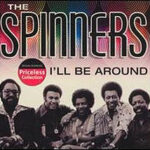
 “I’ll Be Around” doesn’t announce itself with bombast or melodrama. It doesn’t plead, rage, or beg. Instead, it arrives with a calm confidence that feels almost radical in the context of heartbreak. Released in 1972, at the height of The Spinners’ creative rebirth, the song stands as one of the most emotionally mature breakup records ever made—a soul classic built not on desperation, but on patience, dignity, and the unshakable belief that love has a longer memory than pain.
At first glance, the premise seems simple: a man tells his partner that if she decides to leave and later realizes her mistake, he’ll still be there. But what makes “I’ll Be Around” endure isn’t the sentiment itself—it’s the way the song frames that promise. This isn’t a threat, or a guilt trip, or a manipulative ploy. It’s a statement of emotional availability delivered without pressure. The narrator isn’t chasing. He isn’t bargaining. He’s standing still, grounded in self-respect, letting time do the work that words cannot.
That sense of restraint runs through every element of the track. Musically, “I’ll Be Around” is smooth but never sleepy, gentle without becoming passive. Thom Bell’s production is immaculate, creating a silky mid-tempo groove that feels both comforting and quietly propulsive. The opening notes ease in like a conversation already in progress, inviting the listener rather than demanding attention. The rhythm section keeps things moving forward, but nothing rushes. This is music that understands timing—emotional timing as much as musical.
Philippe Wynne’s lead vocal is the emotional center of the song, and it’s a masterclass in controlled expression. Wynne doesn’t oversing. He doesn’t reach for vocal fireworks. Instead, he delivers the lyrics with warmth and steadiness, letting the words speak for themselves. There’s hurt in his voice, but it’s tempered by acceptance. You can hear that this isn’t the first conversation the narrator has had with himself about this relationship. He’s already processed the loss. What remains is clarity.
That clarity is what separates “I’ll Be Around” from so many breakup songs of its era—and from many that came after. Most heartbreak records are about the moment of impact: the shock, the anger, the sorrow. “I’ll Be Around” exists in the aftermath. It’s what comes after the tears have dried and the late-night arguments have ended. The narrator has reached a place of emotional equilibrium, and from that place, he offers something rare: unconditional presence without obligation.
Lyrically, the song is deceptively plain. Lines like “This I promise you” and “I’ll be around if you let me” aren’t poetic in a flashy sense, but they’re devastating in their simplicity. There’s no metaphor-heavy language, no elaborate storytelling. The power lies in what’s unsaid. The song never specifies what went wrong, who’s at fault, or how long the relationship lasted. That openness allows listeners to project their own experiences onto it, which is a big part of why it has remained so resonant across generations.
There’s also an undercurrent of quiet confidence that keeps the song from slipping into self-pity. The narrator isn’t defining his worth by whether his partner stays. He’s offering love, not begging for validation. That distinction matters. In a genre often filled with wounded bravado or emotional collapse, “I’ll Be Around” feels almost radical in its emotional intelligence. It acknowledges pain without letting pain take control.
The Spinners themselves were at a pivotal moment when the song was released. After years of relative obscurity at Motown, their move to Atlantic Records and partnership with producer Thom Bell marked a dramatic turnaround. “I’ll Be Around” wasn’t just a hit—it was a statement that the group had found its voice. The polished harmonies, the lush yet restrained arrangements, and the focus on emotional nuance all became hallmarks of their most celebrated work. This song, more than any other, announced that The Spinners were no longer chasing trends. They were setting their own tone.
What’s striking is how modern the song still feels. Despite its early-’70s origins, “I’ll Be Around” doesn’t sound dated because its emotional core is timeless. The idea of giving someone space while remaining emotionally open feels especially relevant in an era when relationships often end with abrupt cutoffs and digital erasure. The song suggests an alternative approach: one rooted in patience, trust, and the belief that love doesn’t have to be loud to be real.
The background vocals play a crucial role in reinforcing that feeling. They don’t compete with Wynne’s lead; they support it, echoing his sentiments like a reassuring inner voice. The harmonies are soft but precise, creating a sense of community around the narrator rather than isolation. It’s heartbreak, yes—but not loneliness. There’s comfort woven into the sound, as if the music itself is reminding the listener that they’re not alone in feeling this way.
Another key to the song’s power is its refusal to demonize the person who’s leaving. There’s no bitterness, no accusations. The narrator accepts that his partner needs to make her own choices, even if those choices hurt him. That generosity of spirit is rare, and it’s what gives the song its moral weight. “I’ll Be Around” isn’t just about romantic love—it’s about emotional maturity, about understanding that control and care are not the same thing.
Over the decades, the song has been covered, sampled, and referenced countless times, particularly in hip-hop and R&B. Those later interpretations often emphasize its groove or its nostalgic warmth, but the emotional message remains intact. Even when lifted into new contexts, the core idea—steadfast presence without pressure—continues to resonate. It’s a testament to how deeply the song taps into a universal human experience.
Listening to “I’ll Be Around” today, it’s hard not to feel a sense of quiet admiration for its restraint. In a culture that often equates love with intensity and volume, this song reminds us that sometimes the strongest emotion is the one that doesn’t shout. It’s the willingness to wait, to remain open, to trust that what’s meant to return will do so in its own time.
Ultimately, “I’ll Be Around” endures because it understands something essential about love and loss: that dignity matters. The song doesn’t try to win the breakup. It doesn’t seek closure or revenge. It simply offers presence, and in doing so, it achieves something far more lasting. More than fifty years after its release, it still feels like a hand on the shoulder, a calm voice saying, “Take your time. I’m here.”
That kind of assurance never goes out of style.