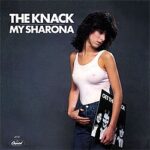
 The Knack’s “My Sharona” is one of those songs that immediately arrests attention, its sharp guitar riff and propulsive rhythm practically demanding movement from the first note. Released in 1979 on the band’s debut album Get the Knack, the track became an instant hit, propelling the Los Angeles-based quartet to the forefront of the pop-rock landscape. At its core, “My Sharona” is a raw, energetic declaration of adolescent lust and obsession, delivered with an intensity that makes the song feel both playful and urgent. Its punchy instrumentation, memorable melody, and Freddie Mercury-level vocal swagger (well, in its own power-pop context) combined to create a track that remains instantly recognizable, decades after its release.
From the opening guitar riff, “My Sharona” establishes a sense of kinetic energy that is impossible to ignore. Guitarist Berton Averre’s angular, staccato chords hit like a jolt of electricity, setting the pace for Doug Fieger’s vocal delivery. That riff has achieved an almost iconic status in rock history, frequently cited as one of the most instantly identifiable in popular music. Its combination of precision, drive, and slight grit mirrors the song’s lyrical content—a headlong dive into infatuation, desire, and unfiltered teenage emotion. The riff serves as a sonic hook that instantly embeds itself in the listener’s memory, functioning as both an introduction and an ongoing motif throughout the song.
Doug Fieger’s vocals are central to the track’s enduring impact. There is a playful, breathless quality to his delivery that perfectly conveys the mix of urgency, longing, and adolescent exuberance embedded in the lyrics. His voice rides the rhythmic intensity of the instruments, sometimes teasing and sometimes imploring, giving “My Sharona” a sense of personality that few songs in the power-pop genre achieve. The way Fieger punctuates the repeated phrase “My Sharona” near the chorus with nearly shouted bursts of enthusiasm is both humorous and electrifying, adding a theatrical edge to the song that mirrors the dramatic intensity of teenage desire. His performance walks a fine line between earnestness and cheeky self-awareness, allowing listeners to feel the raw energy of infatuation while also enjoying the exaggerated theatricality of the track.
Lyrically, “My Sharona” is straightforward but incredibly effective in capturing the intensity of adolescent attraction. The song revolves around the narrator’s obsession with a girl named Sharona, chronicling his overwhelming desire and anticipation in a way that is at once humorous, relatable, and slightly over-the-top. Lines like “Never gonna stop, give it up, such a dirty mind / Always get it up for the touch of the younger kind” highlight the candid and unabashedly sexual nature of the lyrics, a reflection of the teenage mindset the song encapsulates. The combination of Fieger’s breathless delivery and the lyrical content creates a sense of immediacy—listeners are pulled into the headspace of a young person consumed by desire, feeling every pulse of excitement and tension.
The song’s arrangement perfectly complements its lyrical content. The rhythm section, featuring bassist Prescott Niles and drummer Bruce Gary, drives the track forward with tight, insistent precision. Gary’s drumming, in particular, is notable for its punchy, propulsive beats that accentuate the song’s urgency without overpowering the instrumentation. Niles’ bass work provides a solid, melodic foundation that locks in with the drums, creating a groove that is both driving and infectious. The interplay between rhythm and guitar creates a sense of motion and energy, mimicking the restless energy of the song’s narrator. This synergy between instrumental elements allows the song to maintain momentum from start to finish, giving it a kinetic energy that makes it impossible to sit still while listening.
Another element that contributes to the song’s power is its dynamic tension. “My Sharona” constantly oscillates between bursts of high-energy intensity and brief moments of playful restraint, which gives the song a sense of unpredictability and excitement. The verses build anticipation with Fieger’s teasing delivery, only to explode into the explosive chorus, where the repeated name “Sharona” becomes almost a chant of obsession. This push-and-pull dynamic mirrors the emotional highs and lows of infatuation, creating a listening experience that is viscerally engaging. The song’s structure, though relatively simple, is crafted with a keen sense of timing and impact, allowing it to feel both immediate and enduringly compelling.
One of the most distinctive aspects of “My Sharona” is its vocal hook. The repeated chant of “My Sharona,” combined with Fieger’s breathy, almost panting delivery, creates a memorable and infectious refrain that listeners can instantly identify and sing along to. This vocal motif functions almost like an instrument in itself, punctuating the rhythmic drive of the guitars and drums while reinforcing the song’s lyrical obsession. It is a perfect example of how a simple, repeated phrase can achieve maximum impact, sticking in the listener’s mind long after the song has ended. The vocal hook, combined with the iconic riff, ensures that “My Sharona” remains one of the most recognizable songs in rock history.
The song’s production also deserves attention for its clarity and immediacy. The recording captures the raw energy of the band without over-polishing it, preserving the sense of youthful urgency that defines the track. Every instrument is clearly articulated, allowing the intricacies of the rhythm section, the punch of the guitar, and the expressiveness of Fieger’s vocals to shine through. The balance between polish and grit is key to the song’s appeal, giving it the accessibility of a pop hit while retaining the edge and energy of a rock track. This production approach complements the song’s lyrical and musical content, creating a cohesive and compelling listening experience.
“My Sharona” also stands out for its ability to capture a moment in cultural history. Released at the tail end of the 1970s, it arrived at a time when rock was branching into punk, disco, and new wave, and the song’s blend of power-pop energy and rock sensibility resonated with audiences seeking immediacy and fun. Its infectious rhythm, sexualized lyrics, and catchy guitar hook made it a perfect fit for radio play, while its slightly edgy undertones gave it a sense of rock credibility. The song’s timing and style allowed The Knack to carve out a distinctive niche in a crowded musical landscape, ensuring that “My Sharona” would achieve both commercial success and lasting influence.
Part of the track’s enduring appeal is its relatability, even decades after its release. The song captures the intensity, urgency, and obsessive quality of young desire in a way that transcends time and culture. Listeners of any generation can relate to the feelings of infatuation and longing, even if the specific cultural context has shifted. The energy of the music, combined with Fieger’s charismatic performance, creates a universal appeal that continues to draw new audiences to the song. Its infectious hooks and memorable riffs ensure that it remains not just a relic of its era but a living, vital piece of musical history.
The guitar work on “My Sharona” is worth examining in detail. Berton Averre’s riffs are sharp, precise, and rhythmically dynamic, perfectly complementing the song’s lyrical content and vocal delivery. The riffs are simple enough to be instantly catchy, yet they carry enough subtle variation and articulation to maintain interest throughout the track. Averre’s guitar solos are concise, melodic, and integrated seamlessly into the song’s structure, enhancing the overall energy without overshadowing the vocals or rhythm section. The guitar tone, slightly crunchy and edgy, mirrors the song’s themes of tension and desire, further reinforcing the connection between music and narrative.
The bassline, provided by Prescott Niles, also plays a critical role in maintaining the song’s drive. It is melodic yet grounded, interacting tightly with Bruce Gary’s drumming to create a propulsive foundation. The bassline adds depth and texture, emphasizing key moments in the song and reinforcing the rhythmic tension that propels “My Sharona” forward. Together with the drums and guitar, the bass creates a sonic landscape that is both immediate and immersive, ensuring that listeners feel the physicality and urgency of the music as much as they hear it.
Vocally, Fieger’s performance is both theatrical and genuine, walking a delicate line between humor and earnestness. The breathy, almost frantic quality of his delivery during the chorus conveys the obsessive intensity of desire, while the slightly playful inflections in the verses add a sense of wit and personality. This duality is central to the song’s charm—listeners are drawn into the obsessive energy of the narrator, but they are also invited to recognize the playful, exaggerated elements that make the song entertaining and engaging. Fieger’s charisma and timing are crucial to the track’s success, as they allow the song to balance raw emotion with fun, theatricality, and energy.
“My Sharona” also demonstrates the importance of concise, focused songwriting. Clocking in at just over four minutes, the track wastes no time in establishing its themes, delivering its hooks, and maintaining momentum. There are no extraneous sections or filler; every riff, drum hit, and vocal flourish serves a purpose, contributing to the song’s narrative and emotional impact. This efficiency, combined with the song’s infectious energy and memorable hooks, ensures that “My Sharona” leaves a lasting impression on listeners with every play.
Over the years, the song has remained a cultural touchstone, featured in movies, television shows, commercials, and even sports arenas. Its iconic riff and instantly recognizable vocal hook have made it a shorthand for high energy, youthful excitement, and playful obsession. The song’s influence can be traced in countless subsequent rock and pop tracks that seek to capture the same combination of infectious energy, memorable hooks, and narrative immediacy. “My Sharona” is a blueprint for crafting a hit that is both musically compelling and culturally resonant.
Ultimately, “My Sharona” endures because it captures the raw, unfiltered energy of adolescent desire with precision, humor, and musical sophistication. The Knack’s combination of tight instrumentation, innovative riffs, and charismatic vocals created a song that is immediate, unforgettable, and endlessly replayable. Its blend of rock, power-pop, and playful theatricality ensures that it remains relevant and engaging, even decades after its initial release. The track’s energy, urgency, and personality make it a masterclass in concise, impactful songwriting, demonstrating the band’s ability to capture universal emotions in a form that is both entertaining and musically impressive.
The song’s continued resonance is a testament to its ability to communicate a specific emotional experience while remaining broadly accessible. “My Sharona” is, at once, a portrait of obsession, a celebration of energy and vitality, and a showcase of The Knack’s musical prowess. Its riffs, rhythm, vocals, and production work in perfect harmony to create a track that is memorable, immediate, and emotionally engaging. Even listeners unfamiliar with the cultural context of the late 1970s can recognize and appreciate the intensity and joy inherent in the performance.
In the end, “My Sharona” is more than a hit single; it is a snapshot of youthful passion, a study in musical precision, and a testament to the power of a song to capture and communicate emotion. The Knack, through their infectious riffs, propulsive rhythms, and Doug Fieger’s magnetic vocals, created a track that has remained in the popular imagination for decades. It is a song that still moves listeners, inspires performers, and demonstrates the enduring appeal of well-crafted, high-energy rock music. With its unforgettable hooks, relentless energy, and unabashed celebration of desire, “My Sharona” continues to captivate, entertain, and resonate, securing its place as one of the defining tracks of its era and a timeless example of rock and pop brilliance.