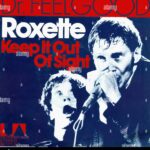
 When Dr. Feelgood released Roxette in 1974, it was a searing snapshot of a band at the peak of their gritty pub rock power. Hailing from Canvey Island in Essex, Dr. Feelgood had become known for their raw, no-nonsense sound—a tight, aggressive mix of rhythm and blues, rock ’n’ roll, and punk’s early sensibilities. Roxette exemplified everything that made the band compelling: frantic energy, stripped-down instrumentation, and an attitude that demanded attention. While the song may not have dominated mainstream charts initially, it quickly became a defining track in the British pub rock scene and one of Dr. Feelgood’s most enduring contributions to rock history, showcasing their unique ability to channel pure, unrefined excitement into a tightly structured song.
Opening with a punchy, distorted guitar riff, Roxette immediately establishes a sense of urgency and movement. Wilko Johnson’s guitar work is sharp, jerky, and idiosyncratic, employing percussive fingerpicking and staccato licks that drive the song forward. The riff sets the tone for the entire track: no frills, no ornamentation, just relentless rock ’n’ roll propulsion. Johnson’s style was both innovative and instantly recognizable, a mixture of rhythm and lead that carried the song’s momentum while leaving room for bassist and drummer to lock in a tight, cohesive groove. The guitar’s rasping tone, combined with the slightly off-kilter phrasing, gives Roxette a sense of immediacy, like a live performance captured on tape with all its energy intact.
Lee Brilleaux’s vocal performance is equally commanding. His voice, rough-edged and brimming with attitude, perfectly matches the rawness of the instrumentation. There’s a sense of urgency in his delivery, a raspy intensity that communicates excitement, rebellion, and sheer rock ’n’ roll joy simultaneously. Brilleaux doesn’t sing so much as he proclaims and pushes the lyrics, giving the song an almost physical impact. Every syllable carries weight, each line articulated with a combination of grit and precision. Lines like the repeated chorus hook, “Roxette, Roxette,” are delivered with infectious energy, transforming the simple lyric into a rallying cry for listeners who felt the pulse of pub rock coursing through their veins.
The rhythm section underpins the song with a tight, punchy groove. John B. Sparks’ bass is direct and forceful, providing a muscular backbone that allows the guitars and vocals to cut through with maximum impact. Sparks’ playing is melodic enough to add movement and interest, yet never overcomplicates the track, reinforcing the song’s forward-driving momentum. Meanwhile, drummer John Martin provides a precise yet energetic pulse, combining steady backbeats with occasional fills that accentuate key moments in the arrangement. The rhythm section’s cohesion ensures that Roxette feels like a live band in full flight, capturing the raw, visceral appeal of Dr. Feelgood’s pub performances.
Lyrically, Roxette captures the essence of rock ’n’ roll storytelling: simple, direct, and full of personality. The song revolves around the eponymous character, Roxette, who embodies a mix of allure, mischief, and independence. While the lyrics are straightforward, they are delivered with a swagger and timing that transforms the song into a narrative of energy and flirtation. Brilleaux’s vocal phrasing emphasizes certain words and syllables, creating a rhythmic interplay that mirrors the instrumental momentum. The lyrics are less about complex storytelling and more about evoking a mood, a lifestyle, and a spirit—the thrill of nights spent in crowded pubs, the magnetic pull of a wild character, and the raw thrill of music that hits hard and fast.
One of the most compelling aspects of Roxette is the way it balances precision with chaos. The song is tightly arranged, with every instrument playing a clear role, yet it retains a sense of spontaneity and immediacy that makes it feel alive. The dynamics ebb and flow, with bursts of guitar stabs, vocal shouts, and driving drum fills punctuating the steady pulse of the rhythm section. The song captures the tension between control and abandon, a hallmark of Dr. Feelgood’s approach to rock music. It’s a track that feels rehearsed enough to maintain musical integrity but raw enough to convey the unfiltered excitement of live performance.
Dr. Feelgood’s approach to Roxette also reflects the broader ethos of the British pub rock movement. At a time when rock music was often becoming increasingly polished and elaborate, bands like Dr. Feelgood championed a return to basics: tight musicianship, energetic performances, and a focus on visceral impact. Roxette exemplifies this philosophy, eschewing studio excess and ornamentation in favor of directness and power. The song’s energy is immediate and unpretentious, a reflection of the band’s dedication to connecting with their audience on the most fundamental level: through rhythm, melody, and sheer performance charisma.
The guitar solos in Roxette are brief but memorable, punctuating the song with sharp bursts of melody and attitude. Johnson’s playing is distinctive—percussive, angular, and rhythmically complex—demonstrating his ability to merge lead and rhythm roles seamlessly. Unlike the extended, virtuosic solos that were common in rock music of the era, Johnson’s guitar work serves the song, amplifying its drive and enhancing the tension without ever detracting from the vocals or rhythm section. Each guitar lick feels carefully placed to maintain the song’s forward momentum, creating a sense of urgency that mirrors Brilleaux’s vocal intensity.
Production-wise, Roxette embodies the stripped-down aesthetic that gave Dr. Feelgood their signature sound. The recording is raw, with a sense of spatial immediacy that captures the band’s live energy. There’s minimal reverb or studio polish, allowing the natural tones of the instruments and vocals to come through with clarity and presence. This production approach enhances the song’s visceral impact, making listeners feel as though they are standing in a small, packed club, right in the middle of the action. The result is a track that feels both authentic and timeless, retaining its punch and character decades after its release.
Culturally, Roxette represents more than just a song—it is a snapshot of a musical moment and a social scene. The British pub rock movement was all about community, energy, and unpretentious fun. Songs like Roxette captured the essence of that world, providing anthems for nights out, pub gatherings, and youthful rebellion. It also influenced the punk movement that followed, demonstrating that rock music could be immediate, high-energy, and emotionally direct without relying on elaborate production or virtuosic displays. Roxette’s legacy is thus both musical and cultural, reflecting the spirit of a generation eager to reclaim rock ’n’ roll for the people who loved it.
Despite its rawness, Roxette is carefully crafted to create maximum impact. Every vocal inflection, drum hit, and guitar chord is intentional, contributing to the song’s sense of drive and excitement. The track’s arrangement allows the tension to build naturally, with each verse and chorus escalating in energy until the final, explosive repetition of the title hook. The interplay between instruments and vocals creates a rich tapestry of sound, with each element enhancing the other and adding layers of texture that reward repeated listening.
Roxette also showcases Dr. Feelgood’s ability to balance accessibility with grit. The song’s infectious hook, memorable riff, and tight structure make it immediately engaging, while its raw sound and aggressive energy give it depth and authenticity. This balance between approachability and edge is a hallmark of the band’s style, allowing them to appeal to both casual listeners and devoted fans of pub rock and R&B-influenced rock. The song’s appeal lies not only in its energy but in the sense that it is alive, unfiltered, and delivered with conviction.
Over the years, Roxette has maintained its influence and relevance. While Dr. Feelgood never became a mainstream arena-filling act, their music—including this song—remains celebrated among musicians, critics, and fans of raw rock ’n’ roll. Its straightforward, high-energy approach continues to inspire guitarists, vocalists, and bands seeking to capture the immediacy and power of live performance in a recording. The track’s legacy is a testament to the enduring appeal of music that prioritizes authenticity, excitement, and unrelenting rhythm.
Ultimately, Roxette by Dr. Feelgood endures because it captures the essence of what makes rock music thrilling: immediacy, passion, and the unfiltered energy of a band in its prime. From the razor-sharp guitar work of Wilko Johnson to Lee Brilleaux’s rasping vocals, John B. Sparks’ driving bass, and John Martin’s precise yet explosive drumming, the song exemplifies the power of tight, focused musicianship executed with attitude and conviction. Its enduring charm lies in its simplicity, its rawness, and its ability to make listeners feel the excitement of a live performance in every note. Decades after its release, Roxette remains a high-water mark of British pub rock, a song that continues to thrill, inspire, and capture the unbridled spirit of rock ’n’ roll.