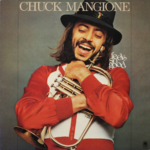
 Chuck Mangione’s Feels So Good is a song that embodies a sense of effortless joy and melodic sophistication, a track that has become synonymous with smooth, uplifting jazz while retaining the depth and musicianship that characterizes Mangione’s work. Released in 1977 on the album of the same name, the song quickly became a defining moment in Mangione’s career, establishing him as one of the most recognizable voices in contemporary jazz. With its warm, accessible melody and smooth, flowing arrangement, Feels So Good exemplifies Mangione’s ability to merge technical mastery with a sense of fun and spontaneity, creating a piece that is both approachable for casual listeners and richly rewarding for dedicated jazz aficionados.
The song opens with a gentle, teasing motif on Mangione’s flugelhorn, a sound that immediately conveys both warmth and playfulness. The tone of the flugelhorn is smooth and inviting, almost conversational, inviting the listener to step into the world Mangione creates. It’s a sound that feels alive, as if the instrument is speaking directly to you, sharing its joy in a way that words could never fully capture. This opening phrase sets the stage for the track, establishing an expectation of melodic delight and rhythmic sophistication. From the first notes, it’s clear that Mangione is creating something that is both technically precise and emotionally engaging, a delicate balance that runs throughout the song.
As the track unfolds, the arrangement builds layers of harmony and rhythm that are deceptively intricate. The piano and rhythm section lay down a foundation that is steady and inviting, while subtle touches from percussion and other instruments add texture and movement. The groove is laid-back but purposeful, giving the piece a sense of forward motion without ever feeling rushed or overbearing. Mangione’s flugelhorn weaves in and out of this backdrop with fluidity, at times soaring over the ensemble and at times blending seamlessly into the fabric of the arrangement. The interplay between the instruments demonstrates both careful planning and the spontaneity that is at the heart of jazz performance, capturing the excitement of live improvisation within a polished studio recording.
One of the most striking features of Feels So Good is Mangione’s melodic sensibility. The song’s primary theme is instantly memorable, a sequence of notes that feels both jubilant and elegant, simple in structure yet endlessly pliable. Mangione is a master of phrasing, stretching and compressing notes, adding subtle dynamics and inflections that transform a simple melody into a rich, expressive journey. Each return to the main theme feels familiar yet fresh, as if the song is telling a story in real time, adapting and responding to the listener’s attention. This melodic flexibility is one of the reasons Feels So Good has endured; it is immediately accessible but rewards repeated listening with new discoveries in nuance and phrasing.
The rhythm section in the track plays a crucial role in creating the song’s sense of flow and buoyancy. The drums maintain a steady but relaxed pulse, supporting the other instruments without dominating them. The bass provides both harmonic grounding and rhythmic drive, moving in concert with the piano to create a fluid, dance-like foundation. The combination of these elements gives the song its sense of motion and lift, allowing Mangione’s flugelhorn to glide effortlessly above. There is a subtle complexity in the way the rhythm section interacts with the melody, a push-and-pull that mirrors the playfulness and exuberance of the main theme, keeping the listener engaged and the music feeling alive.
Feels So Good also benefits from Mangione’s skill in arrangement and orchestration. The layers of instrumentation are carefully balanced, creating a sense of depth without clutter. Horns, keyboards, and percussion are introduced with restraint, each adding color and texture without overwhelming the listener. Mangione demonstrates a keen sense of dynamics, knowing when to pull back and when to let the ensemble shine. The result is a recording that feels spacious and inviting, giving the listener room to appreciate the nuances of each instrument and the intricate interplay between them. The arrangement contributes to the track’s timeless appeal, creating a sound that is as enjoyable decades after its release as it was on the day it first reached audiences.
Another key element of the song’s appeal is its ability to convey emotion without relying on lyrics. Instrumental music has the power to express feelings directly, and Mangione’s performance captures a sense of elation and optimism that is universally resonant. The flugelhorn sings with warmth and clarity, its tone imbued with both sophistication and heartfelt expression. Listeners can feel the sense of release and pleasure that the music evokes, whether through the soaring high notes, the playful turns of the melody, or the rhythmic drive that propels the song forward. There is a joy in Feels So Good that feels effortless, a musical smile that invites the listener to share in the experience.
The historical and cultural impact of Feels So Good is significant. The track became a crossover hit, reaching audiences far beyond traditional jazz listeners, and it played a role in defining the sound of contemporary smooth jazz in the late 1970s. Mangione’s ability to create music that was both sophisticated and widely appealing helped to expand the audience for jazz, demonstrating that the genre could be both artistically rigorous and commercially viable. The song has been featured in films, television, and countless radio playlists, its memorable melody making it instantly recognizable and culturally enduring. It is a song that not only represents Mangione’s artistry but also serves as a touchstone for a broader movement in jazz and popular music.
The improvisational aspects of Feels So Good further elevate it beyond a simple melody-driven track. Mangione and his ensemble engage in subtle interplay, with moments of spontaneous phrasing, call-and-response, and harmonic exploration. These elements showcase the technical skill and musical intuition of each performer, allowing the track to breathe and shift in ways that mimic the unpredictability of live performance. This improvisatory spirit is balanced by the strength of the central theme, ensuring that the song remains cohesive while allowing room for expressive flourishes. Listeners can sense both the structure and the freedom, the careful design and the joyous spontaneity that define the recording.
Mangione’s choice of flugelhorn as the primary voice of the song is particularly effective. The instrument’s warm, mellow timbre allows for a nuanced expression that is both intimate and expansive. It can convey subtle shades of emotion while still cutting through the ensemble, making it ideal for a piece that balances technical precision with emotional resonance. Mangione’s mastery of the flugelhorn is evident in the clarity, warmth, and expressiveness of every note, as well as in his ability to shape phrases with rhythmic and dynamic sophistication. His playing demonstrates both virtuosity and accessibility, a combination that helps explain the enduring popularity of Feels So Good.
In addition to its technical and musical qualities, Feels So Good succeeds because it captures a particular feeling, a moment of exuberance and satisfaction that transcends the specifics of the music. The song evokes imagery of sunny afternoons, carefree moments, and the joy of being fully alive. It is both reflective and celebratory, allowing listeners to connect with it on a personal level while also appreciating its artistry. This emotional universality is one reason why the track has remained relevant across decades, appealing to both longtime jazz enthusiasts and new audiences discovering Mangione’s work for the first time.
Ultimately, Feels So Good by Chuck Mangione is a masterclass in melodic construction, instrumental interplay, and emotional expression. Every element—the flugelhorn, the rhythm section, the arrangement, and the subtle improvisation—works in harmony to create a track that is both technically impressive and emotionally resonant. It is music that invites repeated listening, offering new details and nuances each time, while simultaneously providing an immediate sense of pleasure and uplift. The song embodies a rare balance: it is sophisticated without being inaccessible, joyful without being superficial, and complex while remaining effortlessly enjoyable.
Feels So Good is more than a song; it is a testament to Chuck Mangione’s artistry and vision. It captures the essence of a moment, a feeling, and a musical philosophy that combines technical mastery with emotional openness. Decades after its release, it continues to resonate with listeners, a shining example of how jazz can be both intellectually stimulating and viscerally enjoyable. It stands as a high-water mark in Mangione’s career and in the broader landscape of contemporary jazz, a piece that remains timeless, uplifting, and endlessly engaging.