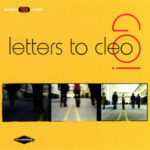
 Some songs are so well-crafted that they survive decades, genre shifts, and stylistic makeovers. “Cruel to Be Kind” is one of those rare pop gems — a sharp, melodic paradox wrapped in jangling guitars and bittersweet honesty. Originally written by Nick Lowe in the late 1970s, the song became a power-pop staple. But when Letters to Cleo took hold of it in the mid-1990s, they didn’t treat it like a museum piece. They electrified it.
Letters to Cleo’s version, recorded for the 1999 teen comedy 10 Things I Hate About You, injected a shot of late-’90s alternative energy into an already classic hook. The band’s take wasn’t radically restructured — the bones of the song remained intact — but it was louder, sharper, and undeniably of its time. Anchored by Kay Hanley’s vibrant vocals and the band’s crunchy guitar textures, “Cruel to Be Kind” found new life in a decade defined by melodic alternative rock and female-fronted bands carving out space on modern radio.
For many listeners who came of age at the turn of the millennium, Letters to Cleo’s rendition isn’t just a cover. It’s the version. It’s the one tied to a defining teen movie, a high school dance scene, and the soundtrack of late-’90s pop culture. And revisiting it today reveals not only a clever reinterpretation but a testament to the durability of a brilliantly written song.
From Pub Rock to Pop Punk Energy
Nick Lowe originally wrote “Cruel to Be Kind” with Ian Gomm in the mid-1970s, and it eventually became Lowe’s biggest solo hit in 1979. The original version leaned into jangly guitars, a steady groove, and Lowe’s wry, understated vocal style. It was quintessential power pop — tuneful, witty, and emotionally complex without being melodramatic.
Letters to Cleo approached the song from a different sonic landscape. Formed in Boston in the early 1990s, the band had already built a reputation for high-energy, hook-driven alternative rock. Their sound blended crunchy guitars with pop sensibility, and Kay Hanley’s voice gave their songs a distinctive lift — bright but forceful, sweet but capable of edge.
By the time they recorded “Cruel to Be Kind,” the alternative scene had evolved. Grunge had peaked, pop-punk was surging, and female-fronted rock bands were gaining broader attention. Letters to Cleo were perfectly positioned to reinterpret a power-pop classic through that lens.
Kay Hanley’s Vocal Spark
The most immediate difference between the original and Letters to Cleo’s version lies in the vocal delivery. Nick Lowe sang the song with a kind of dry irony — a detached charm that underscored the lyrical tension. Kay Hanley, by contrast, sings it with emotional immediacy.
Her voice doesn’t wink at the listener; it leans in. There’s urgency in her phrasing, especially in the chorus. When she delivers the title line, it doesn’t feel like a clever aphorism. It feels like a lived-in truth — a complicated acknowledgment that love sometimes requires confrontation.
Hanley’s vocal tone balances clarity and grit. She doesn’t oversing, but she injects enough power to make the chorus soar. That subtle intensity shifts the emotional register of the song. Instead of ironic detachment, the cover carries a sense of earnestness.
It’s a small but significant transformation.
Crunch, Drive, and ’90s Texture
Musically, Letters to Cleo’s arrangement thickens the guitars and tightens the rhythm. The jangly brightness of the original gives way to a fuller, slightly fuzzier texture. The tempo feels brisker, the drums punchier.
There’s a crispness to the production that reflects late-’90s alternative sensibilities. The guitars are layered but clean enough to keep the melody front and center. The rhythm section drives forward confidently, giving the song a sense of propulsion that complements its lyrical push-and-pull.
Importantly, the band resists overcomplicating the arrangement. They don’t drown the hook in distortion. They let it breathe. The power of “Cruel to Be Kind” lies in its melody, and Letters to Cleo understand that restraint is part of the appeal.
The Movie Moment
The song’s placement in 10 Things I Hate About You elevated its cultural footprint. The film, a modern adaptation of Shakespeare’s The Taming of the Shrew, became an instant teen classic. Its soundtrack played a significant role in defining its tone — playful, rebellious, and emotionally charged.
Letters to Cleo appear in the movie performing the song at the prom scene, anchoring one of the film’s most memorable moments. That visual association cemented the cover in the minds of a generation. For many viewers, it wasn’t just background music; it was part of the story’s emotional climax.
The late ‘90s were a golden era for soundtrack-driven hits. A well-placed song could take on new meaning through cinematic context. “Cruel to Be Kind” benefited enormously from that synergy.
The Lyrical Paradox
One of the reasons “Cruel to Be Kind” has endured across decades and reinterpretations is its lyrical complexity. The central idea — that sometimes honesty or tough love can feel harsh but ultimately be necessary — is inherently relatable.
The song captures the friction of relationships where affection and frustration coexist. Lines that acknowledge the tension between caring and criticizing resonate because they reflect real emotional dynamics. It’s not a simple love song; it’s a nuanced one.
Letters to Cleo’s version amplifies that nuance by emphasizing the emotional stakes. Hanley’s delivery makes the internal conflict feel more immediate. The tension between sweetness and sting becomes palpable.
Letters to Cleo’s Broader Impact
While “Cruel to Be Kind” was a highlight, Letters to Cleo were far from a one-song act. Their earlier hits, including “Here & Now,” had already established them as a prominent presence in the alternative scene. Their blend of guitar crunch and pop melody fit comfortably alongside contemporaries like Veruca Salt and The Breeders, yet they retained a distinct identity.
The band’s ability to handle a cover with such confidence speaks to their musicianship. They didn’t treat the song as a novelty. They approached it with the same intensity and care they brought to their own material.
In many ways, their version of “Cruel to Be Kind” encapsulates their strengths: melodic clarity, energetic performance, and emotional accessibility.
Why It Still Works
Revisit Letters to Cleo’s “Cruel to Be Kind” today, and it still feels vibrant. It doesn’t sound overly polished or trapped in late-’90s production clichés. The guitars remain punchy. The vocals remain compelling. The hook remains undeniable.
Part of its durability comes from the song’s core strength. A great melody can transcend stylistic shifts. But part of it also comes from the band’s approach. They didn’t chase trends. They infused the song with their own character.
There’s also a generational nostalgia attached to it. For those who grew up with 10 Things I Hate About You, the song is inseparable from youthful memories — high school dances, mixtapes, and the bittersweet intensity of teenage relationships.
Yet even without that nostalgia, the track stands on its own.
A Cover That Feels Like a Conversation
What makes Letters to Cleo’s “Cruel to Be Kind” compelling isn’t just its energy. It’s the way it feels like a dialogue across eras. A late-’70s power-pop anthem refracted through late-’90s alternative rock. A song about emotional honesty reinterpreted with fresh urgency.
The cover doesn’t overshadow the original. It complements it. It proves that strong songwriting invites reinterpretation rather than resisting it.
In the end, “Cruel to Be Kind” remains a song about complicated affection — about the push and pull between care and confrontation. Letters to Cleo’s version embraces that complexity with open chords and open emotion.
Turn it up now, and it still lands. It still sparkles. It still stings just enough to feel true.
And maybe that’s the ultimate achievement of Letters to Cleo’s rendition: it reminds us that sometimes the sharpest truths come wrapped in the sweetest hooks.
This post has already been read 20895 times!