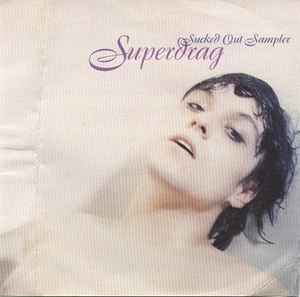
 When Superdrag’s “Sucked Out” hit alternative radio in 1996, it didn’t just arrive — it detonated. The mid-’90s rock scene was thick with distortion and drenched in post-grunge seriousness. Bands were either mining existential dread or sanding down their edges for mainstream approval. In that crowded and often self-important space, “Sucked Out” felt lean, electric, and refreshingly sharp. It was loud without being lumbering, melodic without being soft, and sarcastic without losing emotional weight. From its opening guitar stab to its final crash, the song delivered a punch that felt both immediate and calculated — a perfect collision of power-pop precision and alt-rock muscle.
What made the track stand out wasn’t just its volume or its hook — it was its personality. “Sucked Out” had a smirk behind the snarl. It sounded like a band that loved classic pop songwriting but refused to surrender its edge. It was brash but smart, frustrated but focused. In a time when authenticity was currency and irony was creeping into the mainstream, Superdrag found a way to blend both without sounding cynical or detached. The result was a three-minute anthem of emotional exhaustion that still managed to feel alive and combustible. Decades later, “Sucked Out” remains more than a radio relic — it’s a testament to the enduring power of hooks wrapped in distortion and honesty wrapped in wit.
The Knoxville Spark
Superdrag formed in Knoxville, Tennessee, far from the traditional epicenters of the music industry. That geographic remove may have helped shape their identity. The band — led by singer and guitarist John Davis alongside guitarist Brandon Fisher, bassist Tom Pappas, and drummer Don Coffey Jr. — fused British Invasion melodicism with American garage grit. Their sound drew equally from Big Star’s shimmering melancholy and Cheap Trick’s punchy bravado, filtered through the fuzzed-out sensibility of ‘90s alternative rock.
“Sucked Out” appeared on their major-label debut, Regretfully Yours. While the album showcased the band’s range and songwriting depth, it was this single that kicked the door open. The track felt like an introduction and a mission statement at the same time. It declared that Superdrag were students of pop craft, but they weren’t interested in polishing away their rough edges. They wanted the hooks to sparkle — but they wanted the amps cranked while they did it.
The Sound: Crunch Meets Clarity
Musically, “Sucked Out” is deceptively simple. The opening riff crashes in with a distorted swagger, immediately commanding attention. The guitars are thick but defined, layered without becoming muddy. The rhythm section locks in tightly, giving the song propulsion without overcomplicating the groove. It’s a masterclass in economy — every part serves the hook.
John Davis’s vocal performance is central to the song’s impact. He sings with a mixture of exasperation and cool detachment, riding the melody rather than overpowering it. His delivery balances sarcasm and sincerity, allowing the lyrics to cut without turning heavy-handed. When the chorus hits, it doesn’t explode in bombast; it snaps into place with melodic precision.
What elevates the track is its dynamic control. The verses feel coiled, slightly restrained, which makes the chorus release feel earned. The guitar tones are raw but controlled, creating a texture that feels urgent without descending into chaos. Even the backing vocals are deployed strategically, adding lift without clutter.
It’s power-pop in structure, alternative rock in execution — a combination that gave “Sucked Out” both radio appeal and underground credibility.
Lyrical Bite: Drained but Defiant
At its core, “Sucked Out” is about emotional depletion. The title alone conjures the feeling of being emptied, wrung dry by relationships, expectations, or creative pressures. Yet the lyrics never spiral into melodrama. Instead, they deliver frustration with a wink.
Lines like “It’s not that I don’t want to love you / I just want some time to sit and scream” capture the push-and-pull of intimacy and independence. There’s weariness here, but also clarity. The narrator isn’t broken — he’s burned out. He’s not confessing weakness; he’s acknowledging limits.
That balance is crucial. The song doesn’t wallow. It confronts exhaustion head-on, then wraps it in a hook so infectious you can’t help but sing along. It’s catharsis disguised as a sing-along. And in a decade where many alternative bands leaned heavily into despair, Superdrag managed to articulate frustration without surrendering to it.
There’s also an undercurrent of commentary about authenticity. “Give me something I can recognize” feels like a plea for something real in a world increasingly saturated with imitation. Whether aimed at a lover or the broader music industry, the sentiment resonates. It’s a line that captures a distinctly ‘90s skepticism — and one that still feels relevant today.
Breakthrough and Backlash
“Sucked Out” quickly gained traction on alternative radio and found its way onto MTV’s late-night rotation. The song climbed the Modern Rock charts, giving Superdrag their biggest commercial moment. For a band from Knoxville, that kind of exposure was transformative.
Yet with exposure came pressure. The success of “Sucked Out” created expectations that would prove difficult to sustain. In many ways, the song became both a calling card and a shadow. It was the track audiences demanded — the one that defined the band in the public eye.
Superdrag’s subsequent work explored more expansive and experimental territory, revealing a band unwilling to repeat itself. But “Sucked Out” remained the centerpiece, the lightning strike that introduced them to the mainstream. While they never replicated its commercial success, they earned a loyal following who appreciated the depth of their catalog beyond the single.
Live Wire Energy
In concert, “Sucked Out” became a release valve. The tight studio version translated into explosive live performances, with the band amplifying the song’s raw edges. The opening riff would spark immediate recognition, and crowds responded with shouted lyrics and raised fists.
There’s something uniquely satisfying about hearing a hook-heavy song delivered at full volume in a packed room. “Sucked Out” thrives in that environment. The distortion becomes immersive, the rhythm hits harder, and the chorus feels communal. It’s a reminder that great rock songs aren’t just heard — they’re felt physically.
Even years after its initial release, the track retains that live potency. It’s not nostalgia that fuels the reaction; it’s the song’s intrinsic energy. The frustration embedded in the lyrics becomes collective, transformed from private exasperation into shared catharsis.
Enduring Appeal
What allows “Sucked Out” to endure isn’t just its hook — though the hook is undeniable. It’s the song’s self-awareness. Superdrag understood that pop craftsmanship and raw emotion aren’t mutually exclusive. They built a track that sounds immediate but reveals layers with repeat listens.
In hindsight, the song feels like a bridge between eras. It carries the DNA of ‘70s power-pop, channels the distortion of ‘90s alt-rock, and anticipates the irony-tinged indie rock that would dominate the 2000s. It’s rooted in its time but not confined to it.
For listeners discovering it today, “Sucked Out” doesn’t feel dated. The guitar tones remain punchy, the melody remains sharp, and the sentiment remains relatable. Emotional burnout isn’t a generational issue — it’s a human one. The song’s ability to articulate that feeling with humor and bite keeps it alive.
More Than a One-Hit Wonder
While some categorize Superdrag as a one-hit wonder, that label undersells both the band and the song. “Sucked Out” wasn’t a fluke; it was the product of tight songwriting and clear artistic identity. Its success highlighted the band’s strengths rather than masking weaknesses.
In many ways, the track stands as a reminder that sometimes three minutes is all you need. Not every anthem requires grand production or sprawling ambition. Sometimes all it takes is a killer riff, a smart lyric, and a band confident enough to let both shine.
“Sucked Out” captured a feeling that countless listeners recognized but hadn’t articulated. It bottled frustration, dressed it in distortion, and handed it back as something empowering. That’s no small feat.
Nearly thirty years later, the song still crackles with energy. It still sounds like a band kicking against the ordinary, demanding something recognizable in a sea of sameness. And every time that opening riff crashes in, it still feels like a detonation — sharp, bright, and impossible to ignore.