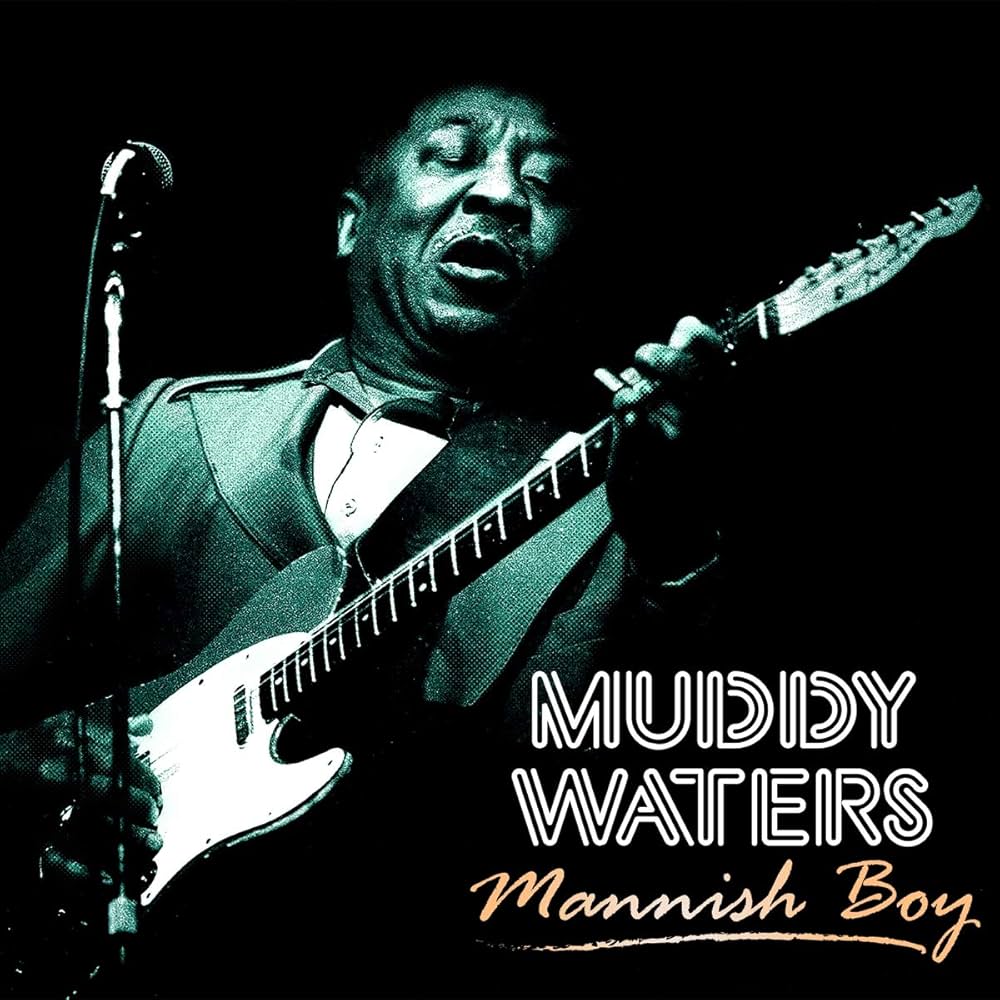
 Muddy Waters’ “Got My Mojo Working” is one of those songs that defines not just an artist, but an entire genre. Recorded in 1957, it captures the essence of Chicago blues at a moment when the genre was transitioning from its Delta roots to the electrified urban sound that would influence rock ‘n’ roll for decades. Written by Preston Foster, though forever associated with Waters, the song is a high-energy, driving piece that combines charismatic vocals, powerful guitar riffs, and a rhythmic intensity that makes it feel as immediate and alive today as it did over sixty years ago. It is a quintessential example of Muddy Waters’ ability to translate the raw emotions of love, desire, and swagger into music that is both deeply rooted in tradition and forward-looking, laying the foundation for generations of blues, rock, and R&B musicians.
From the very first notes, “Got My Mojo Working” sets a tone of urgency and confidence. The guitar opens with a sharp, repetitive riff that is at once hypnotic and insistent, establishing a groove that propels the song forward. Waters’ vocals enter with commanding authority, delivering the opening lines with a mixture of charm, bravado, and playfulness. The phrase “I got my mojo working” immediately signals the central theme of the song—a mixture of personal power, sexual confidence, and mystical allure. It is this blend of literal and metaphorical meaning that gives the track its enduring appeal, as listeners are drawn into both the narrative and the energy of the performance. The repetition of the refrain serves not only as a musical hook but also as an affirmation of the singer’s control and charisma, making it impossible to resist both rhythmically and emotionally.
Musically, the song is a masterclass in blues structure and improvisation. Though it adheres to a standard twelve-bar blues format, its execution is anything but formulaic. The rhythm section, consisting of bass and drums, locks into a groove that is both steady and infectious, allowing Waters and the guitar to weave melodic flourishes over the top. The guitar riffs are sharp and punctuated, echoing the vocal lines and adding a conversational quality to the music. This interplay between voice and instrument is a hallmark of Chicago blues, and in “Got My Mojo Working,” it reaches a level of sophistication that feels spontaneous yet meticulously controlled. The call-and-response between vocals and guitar lines is particularly effective, creating a sense of dialogue and interaction that pulls the listener into the performance.
Lyrically, the song is deceptively simple but loaded with cultural resonance. The concept of “mojo” has roots in African-American folklore and Hoodoo traditions, referring to a talisman or charm believed to bring luck, love, or magical influence. By centering the song around this idea, Waters taps into a rich cultural heritage while simultaneously crafting a narrative about personal empowerment and romantic desire. The lyrics are playful, flirtatious, and assertive, capturing the confidence of a man who knows he has both charm and agency. Lines like “I got my mojo working, but it just won’t work on you” introduce tension and humor, creating a dynamic storytelling arc within the compact framework of a blues song. The song manages to blend the mystical and the mundane seamlessly, making it both relatable and larger-than-life.
Muddy Waters’ vocal performance is a key factor in the song’s impact. His delivery is earthy, commanding, and steeped in emotion, with each word carrying weight and personality. Waters was a master of nuance, able to convey longing, defiance, humor, and desire all within a single phrase. In “Got My Mojo Working,” his voice moves effortlessly between storytelling and declaration, creating a sense of intimacy and immediacy. The slight rasp, the measured pauses, and the natural swing in his phrasing all contribute to a vocal performance that feels authentic and electric. Unlike many singers who rely on technical perfection, Waters’ strength lies in his ability to convey emotion through texture, timing, and inflection, making every line resonate with honesty and power.
The song’s rhythm is another element that gives it lasting vitality. The steady backbeat drives the groove, while syncopated accents in the guitar and vocal lines create a sense of tension and release. This push-and-pull dynamic mirrors the lyrical content, where the narrator is asserting his charm yet facing obstacles in love. The energy of the performance feels almost like a conversation happening in real time, with each instrumental flourish and vocal inflection contributing to the storytelling. The combination of rhythmic drive and melodic interplay makes “Got My Mojo Working” not only compelling to listen to but also irresistibly danceable, bridging the gap between intimate blues performance and broader popular appeal.
One of the remarkable aspects of “Got My Mojo Working” is its ability to balance playfulness with gravitas. While the lyrics are often flirtatious and humorous, there is an undercurrent of seriousness in the way Waters delivers them. The song acknowledges the potency of personal desire and the complexity of human relationships without tipping into melodrama or triviality. This balance is achieved through a combination of musical phrasing, vocal expression, and dynamic arrangement. Waters’ understanding of emotional nuance allows the song to operate on multiple levels, engaging both the intellect and the emotions of the listener. It is this multifaceted quality that has ensured the song’s longevity and influence.
The influence of “Got My Mojo Working” on subsequent music cannot be overstated. Its driving riff, infectious rhythm, and charismatic vocal style became blueprints for countless blues and rock musicians in the decades that followed. Artists from the Rolling Stones to Eric Clapton have cited Muddy Waters as a major inspiration, and this song in particular helped to define the sound of electric blues that would fuel the British Invasion and shape the trajectory of rock music. The song’s structure, combining accessible repetition with room for improvisation, set a precedent for blues-based rock compositions, allowing musicians to explore both technical skill and expressive storytelling within a commercially viable format. Its legacy can be felt across genres, from rhythm and blues to rock ‘n’ roll, funk, and even modern pop interpretations that draw on the blues’ foundational energy.
The live performances of “Got My Mojo Working” further underscore its impact and versatility. Muddy Waters had a stage presence that was magnetic, and this song became a staple of his shows, often extended with improvised solos, audience interaction, and spontaneous call-and-response sections. The energy of the track in a live setting elevates its already potent studio recording, demonstrating the improvisational spirit at the heart of the blues. Waters’ ability to engage his audience, combined with the tight yet flexible musical backing, created performances that felt both celebratory and intimate. The song became a conduit for connection, allowing both the musician and the audience to experience the power, humor, and emotion of the blues in real time.
“Got My Mojo Working” also exemplifies the tension between individual charisma and communal musicality that defines the blues. Waters’ voice carries the story, but it is inseparable from the interplay of the band, where guitar, bass, and drums respond and complement the vocal line. This collaborative dynamic is central to the blues tradition, emphasizing both personal expression and the shared energy of ensemble performance. Each instrumental break, guitar lick, and drum fill contributes to the overall narrative and mood, reinforcing the sense that the music is alive and responsive. The result is a track that feels spontaneous, vibrant, and deeply human, a testament to the power of blues as both performance and storytelling.
The song’s lyrics also highlight themes of agency, charm, and consequence that resonate beyond their immediate context. The idea of “mojo” working or not working serves as a metaphor for influence, attraction, and personal power, reflecting universal concerns about control and desire. Waters’ delivery transforms these themes from abstract ideas into tangible emotional experiences, giving the listener a sense of participation in the drama. The humor embedded in lines about failed charms or unreciprocated attraction adds levity while reinforcing the song’s relatability. Listeners are drawn into the narrative not just as spectators but as participants, feeling the energy, tension, and triumph of the musical performance.
Over time, “Got My Mojo Working” has become a touchstone for blues enthusiasts, musicians, and cultural historians. Its enduring popularity speaks to its effectiveness as a piece of songwriting, performance, and musical innovation. It demonstrates the transformative power of the blues, turning simple phrases, repeated riffs, and a compelling groove into something timeless and influential. The song’s ability to straddle the line between tradition and innovation exemplifies Muddy Waters’ genius, blending Delta roots with electrified urban sophistication to create a track that is immediate, dynamic, and historically significant.
The production of the original recording emphasizes clarity, energy, and immediacy. Unlike many contemporary recordings of the time, which might layer instruments or obscure the rhythm section, “Got My Mojo Working” foregrounds the interaction between voice and instrument. Each guitar riff, drum hit, and bass line is distinct, contributing to a sense of forward motion and musical conversation. The sound is raw and powerful without being overly polished, capturing the authenticity and grit that defines Waters’ approach to music. This sonic clarity ensures that the song’s impact is both visceral and lasting, allowing new generations of listeners to experience the intensity and charisma of the performance as if they were in the room with the musicians.
“Got My Mojo Working” has inspired countless covers, reinterpretations, and homages, from blues bands to rock icons. Its recognizable riff and infectious chorus make it a favorite for musicians seeking to tap into the energy and authenticity of the blues. Yet, no cover can fully replicate the original’s combination of vocal authority, rhythmic drive, and cultural resonance. Waters’ performance is a singular event, a synthesis of skill, experience, and personality that captures the essence of his artistic vision. The song’s legacy endures because it embodies the transformative potential of the blues: a genre capable of communicating emotion, culture, and individuality in ways that transcend time and context.
In the end, Muddy Waters’ “Got My Mojo Working” is more than a song—it is a celebration of life, music, and personal power within the framework of the blues. Its infectious rhythm, charismatic vocals, and rich cultural roots combine to create a track that is both entertaining and profoundly significant. The song exemplifies Waters’ genius as a performer, his ability to translate emotion into music, and his influence on the trajectory of modern American music. From its opening guitar riff to its repeated, irresistible refrain, “Got My Mojo Working” captures the essence of the blues: raw, real, and electrifying, a musical force that continues to inspire and energize listeners across generations.
Muddy Waters’ brilliance lies in his ability to convey complex emotion and narrative through a seemingly simple structure, and “Got My Mojo Working” is a shining example of that talent. Its playful lyrics, infectious rhythm, and commanding vocal presence make it a timeless track that continues to resonate, proving that the blues, in its purest form, is about life, love, desire, and the magnetic force of human experience. The song remains a defining moment in Waters’ career and in the history of the blues, encapsulating the power, charm, and enduring appeal of a genre that has shaped modern music in ways both profound and unforgettable.