
Fleetwood Mac’s story is one of the most remarkable in popular music. It begins in the British blues clubs of the late 1960s, moves through personnel changes, musical reinvention, personal heartbreak, commercial struggles, and eventually reaches the extraordinary success of Rumours, one of the most celebrated albums ever recorded. Along the way, the band survived the departure of its original creative leader, the loss of musicians to personal crises, the replacement of almost its entire lineup, and the breakdown of relationships among the people responsible for its greatest songs.
What makes Fleetwood Mac particularly fascinating is that it was never just one band. The name represented several different musical identities. The original group was rooted in electric blues, with guitarist Peter Green and slide guitarist Jeremy Spencer leading the way. A later version explored country rock, pop, and atmospheric songwriting under the influence of Bob Welch. Then, in 1975, the arrival of Lindsey Buckingham and Stevie Nicks transformed Fleetwood Mac into an international phenomenon, with Christine McVie providing the melodic foundation that helped bring their contrasting styles together.
The result was a band whose greatest commercial triumph emerged from extraordinary creative tension. The members wrote about love, jealousy, resentment, independence, regret, and the difficulty of living with the consequences of their own decisions. Their personal lives became inseparable from their music, but the group’s legacy extends far beyond the romantic drama that has fascinated audiences for decades.
Fleetwood Mac produced blues classics, sophisticated pop singles, ambitious albums, atmospheric guitar music, and some of the most recognizable recordings of the 1970s and 1980s. Its history also reveals how a band can change almost completely while preserving an identity strong enough to survive for generations.
1. The British Blues Explosion and the Birth of Fleetwood Mac
 To understand Fleetwood Mac’s beginnings, it is necessary to look at the British blues revival of the 1960s. American blues musicians such as Muddy Waters, Howlin’ Wolf, B.B. King, and Elmore James had created a musical language that inspired a generation of young British musicians. In the United States, electric blues was part of a much older tradition. In Britain, it became the foundation for an energetic new rock movement.
Bands such as the Rolling Stones, the Yardbirds, and the Animals helped bring blues-derived music to a wider audience. Guitarists experimented with amplification, distortion, sustain, and improvisation, while clubs in London and elsewhere became meeting places for musicians who wanted to explore the music of their American heroes.
Fleetwood Mac emerged from this environment in 1967, when guitarist Peter Green decided to establish a group of his own.
Green had already built a reputation as an exceptional blues guitarist. Born in London in 1946, he had replaced Eric Clapton in John Mayall’s Bluesbreakers in 1966. Replacing Clapton was a formidable challenge, particularly because Clapton had already acquired an almost mythic reputation among British blues fans. Green nevertheless impressed audiences with a style that was less flashy and more restrained. He could make a single note feel expressive without filling every available space with technical flourishes.
His playing was economical, melodic, and emotionally direct. Green was capable of ferocious electric blues, but he also understood the power of silence, subtle vibrato, and carefully controlled phrasing. His approach would become one of the defining characteristics of early Fleetwood Mac.
The band’s original lineup came together around Green, drummer Mick Fleetwood, bassist John McVie, and guitarist Jeremy Spencer. The group’s name was assembled from the surnames of Fleetwood and McVie, whose rhythm-section partnership would eventually become the only continuous personnel connection across the band’s many eras.
The name was not initially intended to define a future rock institution. It came from the practical circumstances of forming a working band. Yet the combination of Fleetwood’s distinctive drumming and McVie’s steady, melodic bass playing proved remarkably durable.
Fleetwood was an imposing, expressive drummer who brought a loose, swinging feel to the blues. He did not approach the instrument as a machine for keeping rigid time. His playing breathed with the music, creating a rhythmic foundation that allowed guitarists to stretch out and singers to phrase freely.
McVie, meanwhile, was a dependable bassist whose sense of timing and harmonic awareness gave the band stability. Although his contribution was sometimes less immediately visible than Green’s guitar work, the relationship between the two musicians became central to Fleetwood Mac’s identity.
Jeremy Spencer supplied another important dimension. A gifted slide guitarist and entertainer, Spencer was particularly drawn to the music of Elmore James. His performances could be theatrical and humorous, and he frequently adopted a different musical persona from Green’s more introspective approach.
The contrast between the two guitarists gave the early group considerable versatility. Green could produce deeply expressive blues, while Spencer delivered hard-driving slide guitar and energetic interpretations of classic blues material.
The band’s first performances established it as part of the growing British blues scene. Fleetwood Mac did not initially resemble the polished pop group that would dominate radio later in its career. Its sound was raw, loud, and closely connected to American electric blues.
That foundation mattered. Even after the group became famous for intricate vocal harmonies and carefully constructed pop songs, its early history remained an essential part of its musical DNA. The musicians learned to communicate through extended instrumental passages, to create tension through dynamics, and to develop an identity through the interaction of individual personalities.
In the beginning, Fleetwood Mac was Peter Green’s band. Its future, however, would depend on the extraordinary changes that followed.
2. Peter Green: The Original Creative Force
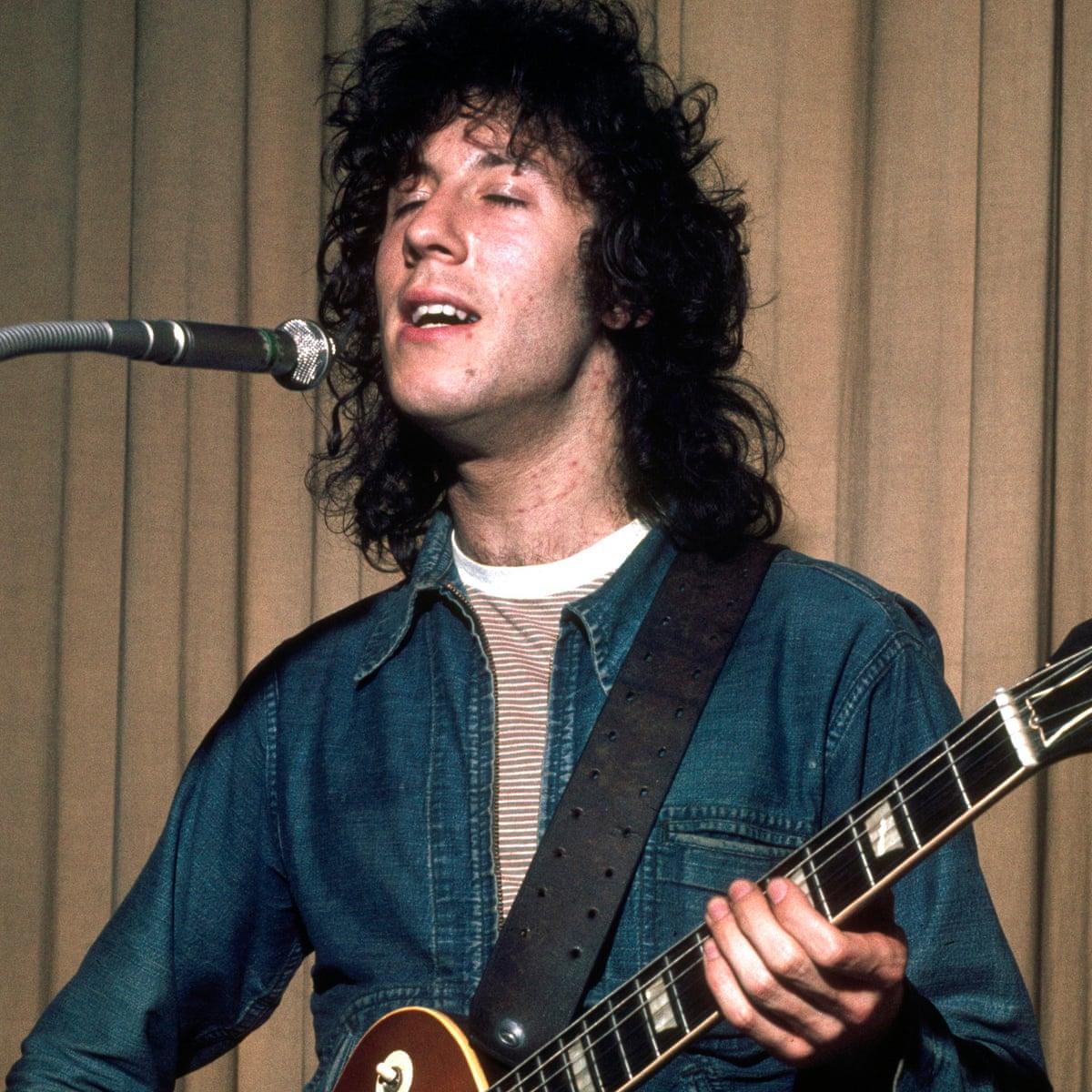 Peter Green was not merely the band’s lead guitarist. He was its principal musical architect, an accomplished songwriter, and the person whose artistic instincts established the original group’s direction.
His approach to blues differed from that of guitarists who emphasized speed or technical complexity. Green could play with extraordinary intensity, but his best work often came from a patient understanding of melody. He seemed interested in what a note communicated rather than how difficult it was to play.
This sensitivity helped distinguish him from many of his contemporaries. British blues guitarists were often measured against the explosive virtuosity associated with Eric Clapton, Jeff Beck, and Jimi Hendrix. Green belonged in that company, but his musical personality was different. His restraint could make a performance feel more intimate and, at times, more unsettling.
Fleetwood Mac’s earliest recordings reflected the group’s commitment to traditional blues. Its self-titled debut album, released in 1968, introduced a band that was comfortable with established blues forms but capable of giving them fresh energy. The record featured extended guitar passages, traditional material, and performances that captured the sound of musicians who had developed their abilities through live playing.
The album was a significant success in Britain, where the band quickly became an important name among blues enthusiasts. Rather than immediately pursuing American-style psychedelic rock or elaborate studio experimentation, Fleetwood Mac concentrated on refining its own interpretation of the blues.
The group’s second album, Mr. Wonderful, also released in 1968, continued in that direction. Recorded with a raw, live-in-the-studio approach, it featured a stronger emphasis on piano and saxophone and retained the band’s commitment to traditional blues structures.
Although the album is less celebrated than some of the band’s later work, it illustrates how quickly Fleetwood Mac established itself as a working musical unit. Its members were not simply reproducing records they admired. They were developing a sound through performance, experimentation, and the gradual refinement of their arrangements.
Green’s songwriting soon began to push beyond conventional blues themes. His compositions retained the emotional directness of the genre while introducing more personal and atmospheric elements.
One of his most important songs was “Black Magic Woman,” which Fleetwood Mac recorded in 1968. Green’s version had a relaxed, hypnotic quality, with guitar lines that gave the song an understated sense of mystery. The recording became a hit in Britain and later achieved even greater recognition through Santana’s celebrated interpretation in 1970.
Santana’s version transformed the song with Latin percussion, extended guitar passages, and a different rhythmic emphasis. The success of that recording helped introduce Green’s songwriting to audiences who might never have explored the original British blues scene.
Another important Green composition was “Oh Well,” released in 1969. The song was divided into contrasting sections, moving from a driving electric blues performance into a quieter, more atmospheric passage. It demonstrated that Fleetwood Mac could use blues as a starting point for something more adventurous.
“Oh Well” became one of the band’s signature early recordings. Its distinctive guitar riff, unusual structure, and shifting mood made it stand apart from the straightforward blues material that had originally defined the group.
Green’s greatest achievement as a songwriter may have been “Albatross,” an instrumental released in 1968. Instead of relying on aggressive guitar work, the recording created a spacious, almost dreamlike atmosphere. The guitars floated over a restrained rhythm, suggesting open water and distant horizons.
The track became a major British hit and demonstrated that Fleetwood Mac could succeed commercially without a conventional vocal performance. It also revealed Green’s gift for creating emotional atmosphere through tone, pacing, and carefully controlled repetition.
“Albatross” was particularly significant because it showed that the band’s identity was never limited to blues. Even at this early stage, Green was interested in music that conveyed a mood rather than simply demonstrated instrumental skill.
The band’s 1969 album Then Play On represented a further development. The record expanded Fleetwood Mac’s musical vocabulary, incorporating longer arrangements, more adventurous guitar work, and a broader range of textures. It is frequently regarded as one of the finest albums of the Peter Green era.
The album included “Oh Well,” along with tracks that demonstrated the band’s growing interest in composition and atmosphere. Green’s guitar remained central, but the overall sound was increasingly ambitious.
Fleetwood Mac was becoming more than a successful British blues band. It was developing into a group capable of creating original music with its own distinctive character.
Yet success did not guarantee stability. As the band’s popularity increased, Green’s personal life and emotional well-being became increasingly complicated. The creative force who had given Fleetwood Mac its initial identity would soon leave the group, forcing its remaining members to find a new direction.
3. Danny Kirwan and the Expansion of the Original Sound
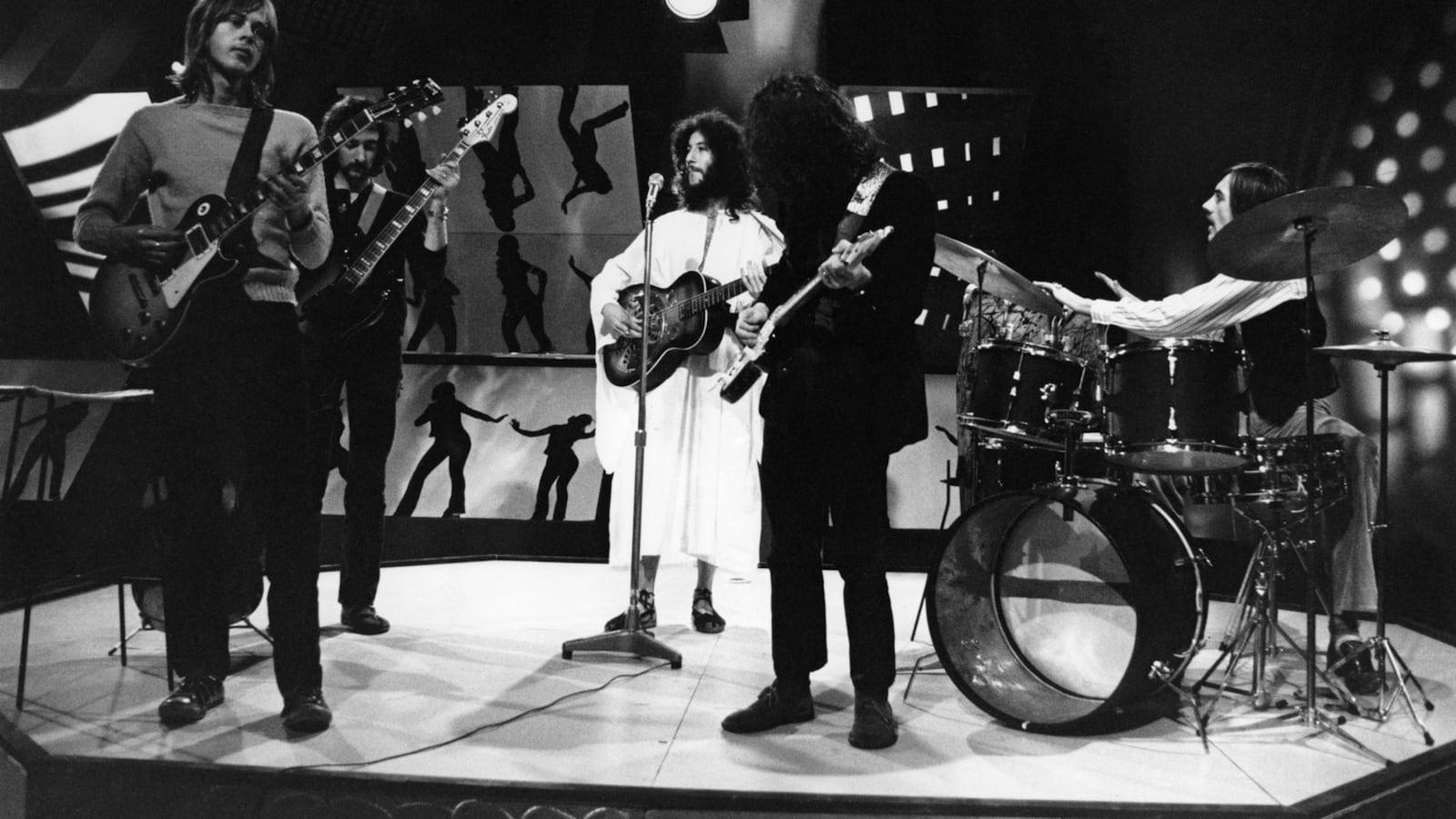 By 1969, Fleetwood Mac had reached an important turning point. Peter Green remained its central figure, but the group was beginning to develop beyond the musical framework that had brought it success. The addition of guitarist Danny Kirwan gave Green a younger musical partner whose style complemented his own.
Kirwan was born in London in 1950 and had developed into an accomplished guitarist while still in his teens. Green recognized his potential and invited him to join Fleetwood Mac in 1968. His arrival expanded the band’s guitar section and created new opportunities for intricate arrangements, vocal harmonies, and more adventurous compositions.
The combination of Green and Kirwan was particularly effective because their playing styles differed. Green’s approach emphasized expressive phrasing and emotional restraint, while Kirwan often favored a more precise, melodic style. Their guitars could intertwine without becoming redundant, creating a sound that was fuller and more sophisticated than that of a conventional blues quartet.
Kirwan also contributed songwriting. His compositions brought a delicate, sometimes melancholy quality to the band’s music, and his increasing importance helped prepare Fleetwood Mac for the period following Green’s departure.
The 1969 album Then Play On captured the band during this transition. Although Green remained the leading creative figure, Kirwan’s presence was unmistakable. The album’s broader range of moods and textures showed that Fleetwood Mac was becoming a more flexible recording group.
Songs such as “Coming Your Way” demonstrated Kirwan’s ability to contribute energetic material, while “Closing My Eyes” revealed his more introspective side. The album explored sounds that extended beyond conventional blues, combining electric guitar with atmospheric arrangements and more complicated song structures.
The band was also gaining international recognition. Its success in Britain provided a foundation for American touring, and Green’s reputation among musicians continued to grow. His ability as a guitarist attracted fans who appreciated his technical skill, but his increasingly personal songwriting gave the band a broader artistic identity.
One of the most important recordings of this period was “Albatross,” which had already demonstrated Green’s gift for atmospheric instrumental music. The band’s willingness to move between traditional blues, instrumental experimentation, and original rock compositions distinguished it from many of its contemporaries.
The late 1960s were a period of extraordinary change in popular music. Psychedelic rock, progressive rock, and heavier forms of guitar music were expanding the possibilities of the album format. Fleetwood Mac was not at the center of every new development, but its musicians were increasingly willing to explore ideas that would have seemed distant from the group’s original blues-club identity.
Unfortunately, the band’s creative progress coincided with growing personal difficulties. Green had become uncomfortable with the commercial machinery surrounding rock music and increasingly questioned the purpose of pursuing fame and wealth. His spiritual concerns grew, and his behavior became less predictable.
By 1970, Green’s relationship with Fleetwood Mac had deteriorated to the point that he decided to leave. His departure was a devastating loss. The band had been built around his musical vision, and replacing him was not simply a matter of hiring another guitarist.
The remaining musicians had to determine what they wanted Fleetwood Mac to become without the songwriter whose compositions had defined its early identity.
Nevertheless, Fleetwood and McVie were determined to continue. Kirwan remained, Spencer was still part of the lineup, and the group had already begun to develop a broader musical vocabulary.
The next several years would test whether Fleetwood Mac could survive without its founder’s leadership.
4. Jeremy Spencer’s Disappearance and Christine McVie’s Arrival
Peter Green’s departure was followed by another unexpected crisis. In February 1971, while Fleetwood Mac was touring the United States, Jeremy Spencer left the group under circumstances that astonished his bandmates.
Spencer had been an essential part of the original sound. His slide guitar and energetic performances complemented Green’s more restrained approach. Although he had not contributed as many major original compositions as Green, his musical personality had helped establish Fleetwood Mac’s identity.
During the American tour, Spencer reportedly left the hotel to buy a magazine and failed to return. The other musicians initially assumed that he would eventually reappear. Instead, they learned that he had joined the religious organization known as the Children of God, later associated with the name The Family International.
Spencer did not resume his place in Fleetwood Mac. His departure left the group without another founding member and forced the remaining musicians to reconsider their future almost immediately.
For a band already adjusting to Green’s absence, the loss was extraordinary. The musicians had built their reputation around a combination of distinctive guitarists, and now both players who had established that identity were gone.
Danny Kirwan became the band’s principal guitarist, but Fleetwood Mac also needed to strengthen its songwriting and vocal arrangements. That process brought Christine McVie into a more central role.
Christine Perfect had been an established musician in her own right before joining Fleetwood Mac. Born in Birmingham, England, in 1943, she studied art before becoming involved in the British blues scene. She played keyboards and sang with Chicken Shack, a blues band that gained recognition during the late 1960s.
Her voice was warm and understated, and her keyboard playing provided a harmonic foundation that complemented the band’s guitar-centered arrangements. She was also an accomplished songwriter, with a natural ability to create melodies that felt direct without being simplistic.
Christine married bassist John McVie in 1968. She initially contributed to Fleetwood Mac as a guest musician before officially becoming a full member in 1970.
Her addition proved more important than simply filling a keyboard position. She helped the band move toward a more song-oriented sound, with memorable melodies, strong vocal arrangements, and a broader range of musical influences.
Christine was not interested in competing with the guitarists for attention. Her strengths lay in creating songs that felt natural and complete, with chord progressions that supported the melody and lyrics that communicated emotion without excessive ornamentation.
Her voice also fitted comfortably within the band’s arrangements. Her singing was less theatrical than Stevie Nicks’ would later become, but its restraint gave her songs a particular intimacy.
Christine’s arrival marked the beginning of a gradual shift away from the original blues identity. Fleetwood Mac would continue to record blues-influenced material, but its future increasingly depended on the songwriting contributions of several individuals rather than one dominant creative leader.
The transition was not immediate or easy. The band continued to experience personnel changes, and its albums during the early 1970s explored a range of musical directions. Some records leaned toward blues and hard rock, while others moved into folk, pop, and atmospheric experimentation.
Yet Christine’s growing role provided a crucial link between the band’s British origins and its eventual American success. Her ability to write accessible songs would become one of the defining characteristics of Fleetwood Mac’s later work.
5. The Early 1970s: A Band Searching for Its Identity
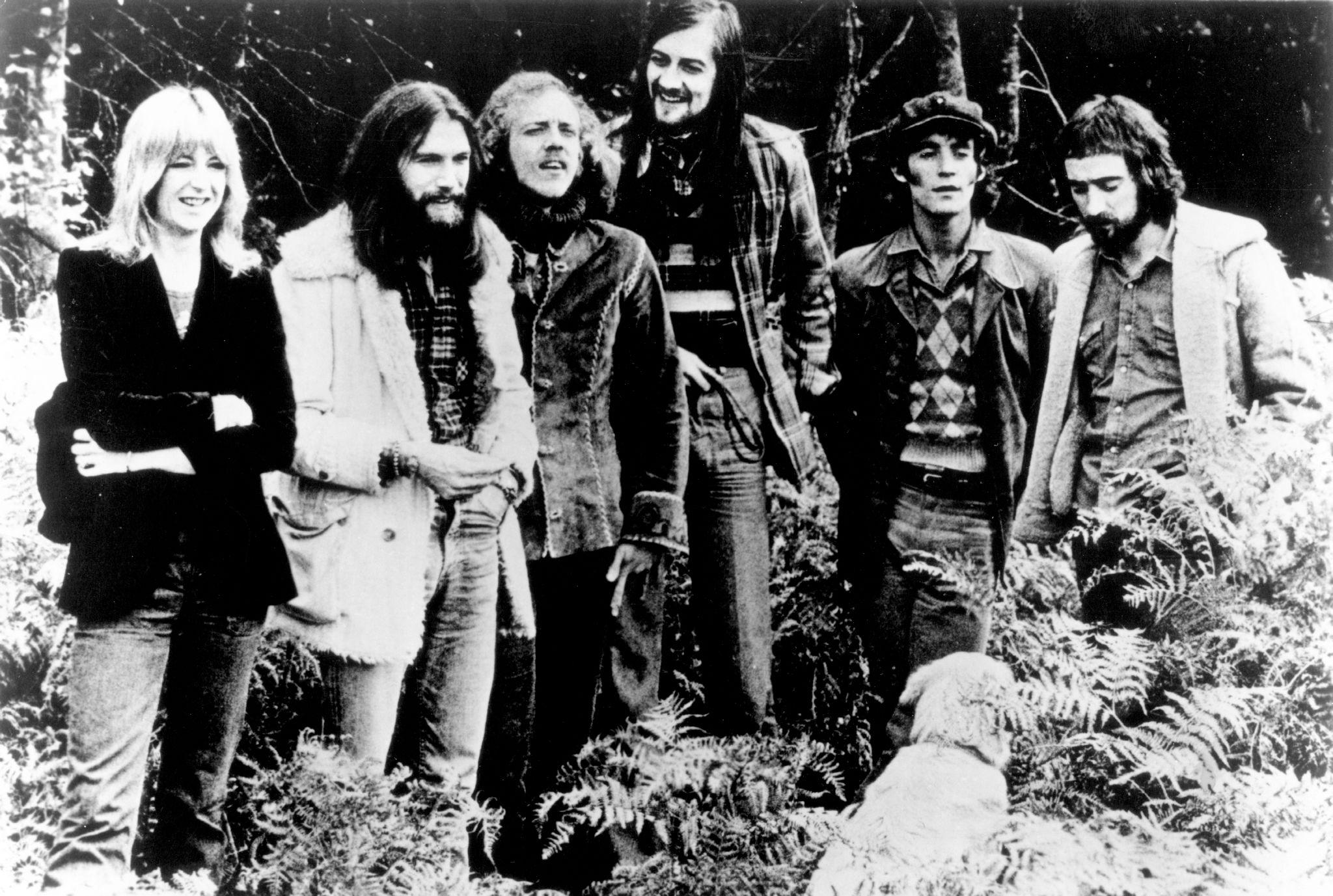 Fleetwood Mac’s early 1970s period is often overshadowed by the Peter Green years and the commercial success that followed the arrival of Lindsey Buckingham and Stevie Nicks. That is unfortunate, because this era was musically adventurous and essential to understanding the band’s eventual transformation.
The group was effectively reinventing itself in public. It had lost its original leader, lost Jeremy Spencer, and was relying increasingly on musicians who had different backgrounds and artistic priorities. Its records reflect a band trying out ideas rather than following a settled formula.
Danny Kirwan was initially the most important guitarist in the post-Green lineup. His playing gave the band continuity, and his songwriting contributed to albums such as Kiln House, released in 1970.
Kiln House was a transitional record. With Green gone and Spencer’s departure still fresh, the group explored a lighter sound influenced by rockabilly, early rock and roll, and melodic pop. The album was less blues-oriented than the earliest records, but it retained a sense of musical looseness that reflected the band’s live background.
Christine McVie contributed artwork to the album and remained an important creative presence, although she had not yet fully established herself as the group’s principal keyboard player and vocalist in the public imagination.
The band also welcomed guitarist Bob Welch, an American musician who joined in 1971. Welch brought a different sensibility from that of the British blues musicians who had founded Fleetwood Mac. His approach was more atmospheric and influenced by American rock, folk, and the developing singer-songwriter tradition.
Welch’s arrival was significant because he helped steer the band toward a style that was less dependent on blues guitar. He was comfortable with unusual chord progressions, spacious arrangements, and songs that developed through mood rather than instrumental competition.
The album Future Games, released in 1971, demonstrated the direction Fleetwood Mac was beginning to take. Its title track was an extended, atmospheric piece that moved away from the compact structure of traditional blues songs. The band explored a more spacious sound, with the rhythm section providing a steady foundation for layered guitars and keyboards.
The record also gave Christine McVie a more prominent songwriting role. Her contributions suggested a future in which Fleetwood Mac would be defined as much by memorable vocal melodies as by instrumental ability.
In 1972, the band released Bare Trees, an album that further developed this emerging identity. It featured material by Kirwan, Welch, and Christine McVie, reflecting a group whose creative responsibility was distributed among several members.
The title track and other songs created an introspective atmosphere that contrasted with the band’s earlier blues recordings. Kirwan’s compositions could be delicate and melancholy, while Welch brought a broader, more modern rock perspective. Christine’s songs supplied melodic warmth and a sense of emotional clarity.
For listeners willing to explore beyond the group’s most famous records, Future Games and Bare Trees reveal a band experimenting with the ingredients that would later make it successful. The guitar work remained important, but the songs were increasingly shaped by vocal melodies, carefully arranged harmonies, and contrasting musical personalities.
Unfortunately, the personal circumstances behind the music were becoming increasingly difficult.
Kirwan struggled with alcohol use and emotional problems. His relationship with the other band members deteriorated, and his behavior became a source of serious tension. During a 1972 tour, conflicts between Kirwan and the band’s management and musicians intensified.
Kirwan was eventually dismissed from the band. His departure was another major blow because he had helped carry the group through the period immediately following Green’s exit.
Like Green, Kirwan had contributed significantly to Fleetwood Mac’s music but later experienced serious personal difficulties. His subsequent life was marked by struggles that kept him largely outside the public spotlight. He died in 2018.
His story is one of the saddest in the band’s history. Kirwan had been a gifted guitarist and songwriter whose contribution is easy to overlook when the conversation focuses on the later lineup. Yet his work helped Fleetwood Mac discover that it could remain creatively interesting even when its original formula had disappeared.
After Kirwan left, Bob Welch and Christine McVie became increasingly important to the group’s direction. The band had not yet found the commercial formula that would transform its fortunes, but its musical evolution was well underway.
6. Bob Welch and the Making of a Different Fleetwood Mac
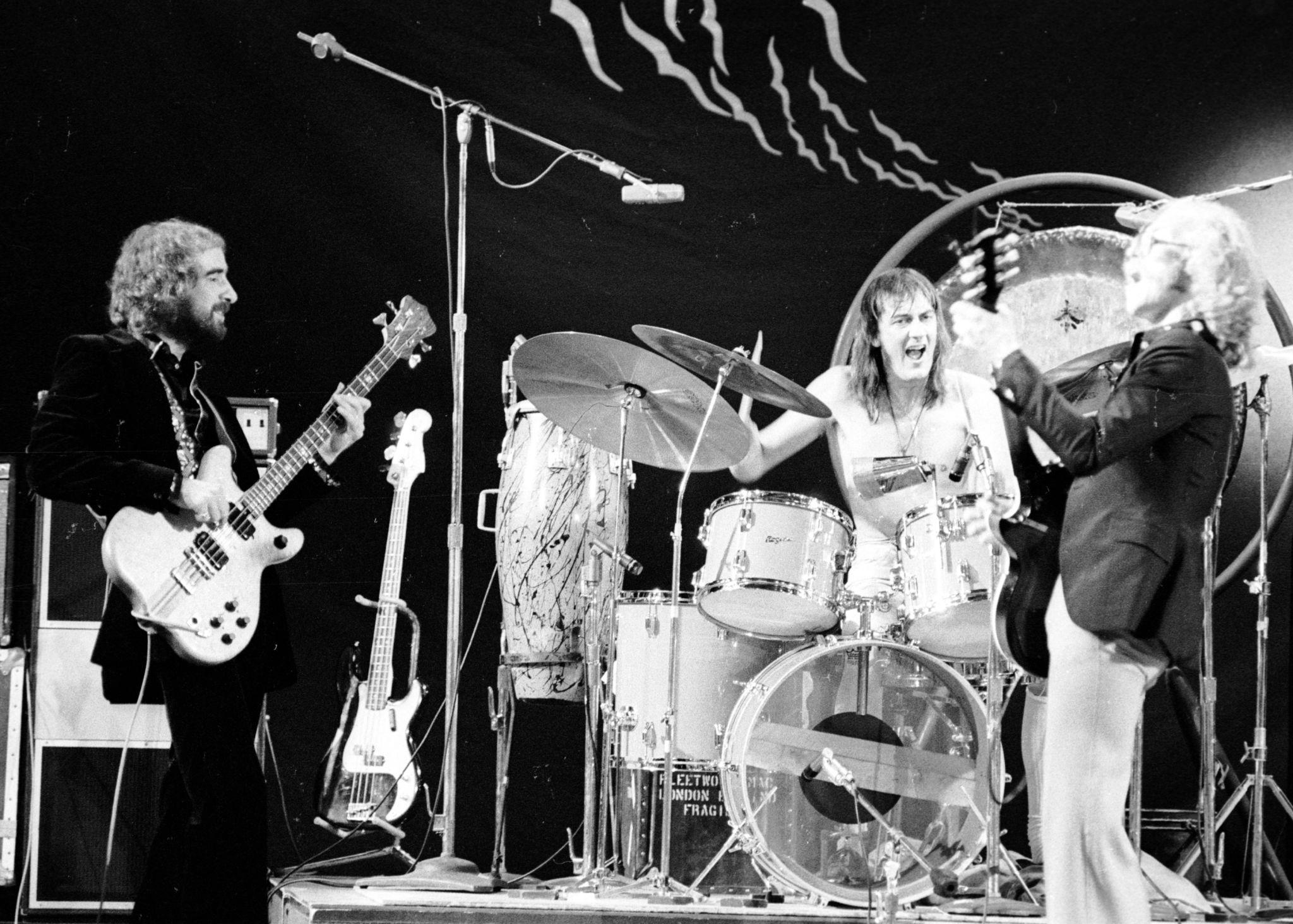 Bob Welch’s years with Fleetwood Mac are among the most underappreciated chapters in the group’s history. His contribution was essential to the band’s survival during a period when its identity seemed to change with every album.
Welch joined a group whose original purpose had been transformed by the departures of Peter Green, Jeremy Spencer, and Danny Kirwan. Instead of attempting to recreate the British blues sound, he helped move Fleetwood Mac toward a more contemporary rock style.
His musical background differed from that of his British bandmates. He had grown up in the United States and was familiar with the developing West Coast rock scene. His songwriting often emphasized atmosphere, unusual chord changes, and a modern approach to guitar arrangement.
The 1972 album Bare Trees had already introduced some of this direction, but the next several records would make Welch’s influence more apparent.
Penguin, released in 1973, featured a lineup that included Welch, the McVies, Mick Fleetwood, and guitarist Bob Weston, with singer Dave Walker appearing briefly in the band’s history. The record was uneven, reflecting the difficulties of maintaining a stable group while its members pursued different musical goals.
Weston’s tenure was short-lived. His departure, following personal conflict within the band’s circle, contributed to a period of instability that made it difficult for Fleetwood Mac to establish a consistent identity.
Nevertheless, the musicians continued recording. Mystery to Me, released in 1973, is one of the more interesting albums of this transitional period.
The record included “Hypnotized,” a Bob Welch composition that demonstrated how far Fleetwood Mac had moved from its blues origins. The song created a mysterious, drifting atmosphere through its repeating guitar figures, relaxed rhythm, and lyrics suggesting strange experiences and altered perceptions.
“Hypnotized” did not need a heavy guitar solo or a dramatic chorus to make an impression. Its appeal came from the way the arrangement drew the listener into a particular mood. The song has since become one of the most admired recordings from the band’s pre-Buckingham/Nicks era.
Christine McVie also continued to develop as a songwriter. Her compositions increasingly displayed the qualities that would make her so important to the group’s later success: elegant melodies, memorable choruses, and a gift for expressing complicated feelings through simple language.
The contrast between Welch’s atmospheric writing and Christine’s melodic directness helped give the band a broader identity. Fleetwood Mac could be introspective and experimental without losing its ability to write accessible songs.
However, the band’s internal problems were becoming severe. Relationships within the group and its management circle deteriorated, while touring and financial pressures added to the uncertainty. By the middle of the decade, Fleetwood Mac had become a band that seemed to spend as much time surviving crises as making records.
The 1974 album Heroes Are Hard to Find represented the final studio album of Welch’s tenure. It featured Christine McVie in an increasingly prominent role and reflected the group’s developing California-oriented sound.
The title track was particularly revealing. It had a reflective quality that contrasted with the raw urgency of the early blues recordings. Fleetwood Mac was becoming a band of sophisticated arrangements and emotionally direct songwriting, even though it had not yet reached the commercial heights of its future.
Welch left the group in late 1974. He had been a key figure in keeping Fleetwood Mac alive after the collapse of its original lineup, and his departure created another vacancy.
By then, Mick Fleetwood and John McVie had become the enduring core of the organization. They had survived the departure of almost every other major creative figure from the band’s early years. Christine McVie had become indispensable, but the group still needed a guitarist who could help define its next stage.
That guitarist would come from an unexpected direction: a struggling American musical partnership whose album had failed to find an audience.
7. The Fake Fleetwood Mac and a Crisis That Nearly Ended the Band
The story of Fleetwood Mac in the early 1970s includes one of the strangest episodes in major rock history: a touring group using the band’s name without its actual members.
In 1973, the real Fleetwood Mac was already struggling with personnel changes, management problems, and deteriorating relationships. The group had cancelled performances and experienced confusion over its future. Its manager, Clifford Davis, believed that he had the right to keep the name and associated touring operation active.
Davis assembled a new group of musicians and sent them on the road under the Fleetwood Mac name, despite the absence of Mick Fleetwood, John McVie, Christine McVie, and the other recognizable members of the band.
The resulting tour quickly became a disaster. Audiences expected to see Fleetwood Mac and instead encountered unfamiliar musicians. Confusion spread, and the legitimacy of the performances was challenged.
The dispute eventually became a legal battle over the band’s name and management rights. The real members asserted their claim to the identity they had built through years of recording and touring.
For Fleetwood Mac, the episode was more than an embarrassing publicity problem. It exposed how vulnerable the group had become after years of instability. Its name was valuable enough that other people wanted to use it, but the musicians themselves had not yet secured a stable business structure.
The band eventually prevailed in protecting its identity, and the crisis helped motivate the members to take greater control of their affairs. They increasingly understood that surviving as a group required more than musical talent. It required control over management, touring, contracts, and the decisions that determined their future.
This period also marked a shift in the band’s geographic center. Mick Fleetwood and the McVies were spending increasing amounts of time in the United States, particularly California. The American music industry offered opportunities that were becoming difficult to ignore.
Los Angeles was home to a thriving recording community, a large network of session musicians, and a market for polished rock music that could cross between album-oriented radio and mainstream pop. Fleetwood Mac’s musical direction was already moving toward that world, even though the group had begun its life in London’s blues clubs.
By 1974, the band was effectively starting over again. Bob Welch had left, the old management structure had broken down, and the musicians needed a new creative partner.
Mick Fleetwood’s search for a guitarist would lead him to a recording studio in California. There, he heard a song by a young American duo called Buckingham Nicks.
The recording caught his attention. Its guitar playing was unusual, the vocal harmonies were distinctive, and the music suggested a new direction for Fleetwood Mac.
The guitarist’s name was Lindsey Buckingham. His musical partner was Stevie Nicks.
Neither had any idea that joining Fleetwood Mac would transform their lives, make their songs famous around the world, and entangle their personal history with one of the most successful albums in rock history.
8. Lindsey Buckingham and Stevie Nicks: Two Musicians Looking for a Break
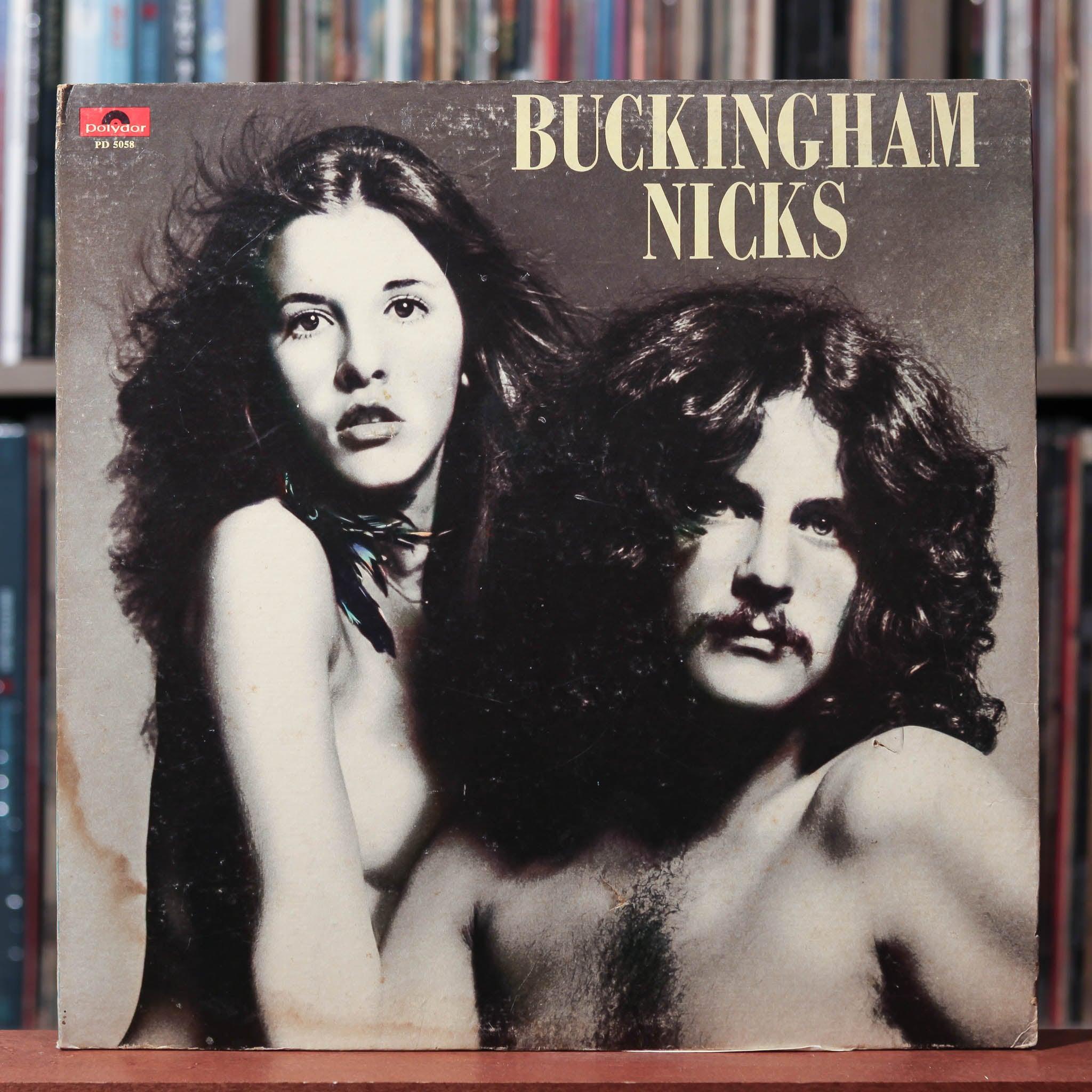 Lindsey Buckingham and Stevie Nicks had already spent several years developing their musical partnership before Fleetwood Mac entered the picture. Their relationship began in California, where both were young musicians trying to find a place in a competitive industry.
Buckingham was born in Palo Alto, California, in 1949. He developed an interest in music as a teenager and became particularly fascinated with guitar playing and vocal arrangements. Rather than pursuing the conventional path of a guitar hero, he developed a distinctive fingerpicking technique that would eventually become one of Fleetwood Mac’s defining sounds.
His playing was unusually rhythmic. He could create intricate arrangements without relying on a traditional strumming pattern, using his fingers to produce interlocking melodic and rhythmic parts. The approach gave his songs a restless quality and allowed him to build elaborate arrangements around relatively simple chord progressions.
Nicks, born in Phoenix, Arizona, in 1948, had developed a passion for singing and songwriting from an early age. Her family moved frequently because of her father’s career, and music became a source of continuity throughout her childhood. She began performing while attending high school and eventually met Buckingham while both were students in California.
Their first musical connection came when they were involved in a band called Fritz. Nicks and Buckingham became romantic partners as well as collaborators, combining her songwriting and distinctive vocal style with his guitar work and production instincts.
Fritz gained experience performing around California, but it did not provide the breakthrough they wanted. When the group dissolved, Buckingham and Nicks decided to continue as a duo.
They worked on songs together and developed a musical identity markedly different from the blues-based sound of early Fleetwood Mac. Their music incorporated folk, pop, and rock, with intricate vocal harmonies. Nicks wrote songs with a strong narrative and emotional character, while Buckingham approached arrangements as carefully constructed musical environments.
In 1973, they released the album Buckingham Nicks. The record demonstrated the potential of their partnership, although it failed to generate the commercial success they had hoped for.
The album is particularly interesting in retrospect because it contains the early foundations of their future Fleetwood Mac sound. Nicks’ voice already possessed its distinctive husky quality, while Buckingham’s guitar playing displayed the precision and rhythmic complexity that would become central to the band’s recordings.
The pair also had a natural vocal chemistry. Nicks’ voice could sound earthy and intimate, while Buckingham’s high harmonies created tension and movement. Their voices did not simply blend together; they often seemed to represent different emotional perspectives within the same song.
Unfortunately, the failure of Buckingham Nicks left the pair financially uncertain. They continued to pursue music, but the prospect of a lasting career was far from guaranteed.
The album eventually attracted the attention of Mick Fleetwood when he visited Sound City Studios in Los Angeles. He heard the track “Frozen Love” and was impressed by Buckingham’s guitar playing.
Fleetwood was looking for a guitarist to replace Bob Welch, and Buckingham appeared to possess the combination of musical ability and distinctive personality the band needed. Fleetwood contacted him about joining Fleetwood Mac.
Buckingham agreed on one important condition: Nicks had to be included as well.
This was a significant decision. Fleetwood Mac had survived for years by bringing in individual musicians to replace departing members. Buckingham was effectively asking the band to accept a songwriting partnership as a package.
Fleetwood agreed. The band welcomed both musicians, and Fleetwood Mac entered a new phase that would soon make its earlier personnel struggles seem almost modest by comparison.
The arrival of Buckingham and Nicks was not simply a change in personnel. It was a transformation of the band’s artistic identity.
Buckingham brought an intense interest in arrangement, recording, and guitar technique. Nicks brought a distinctive voice, a growing catalog of songs, and an approach to songwriting that combined personal experience with vivid imagery. Christine McVie was already an accomplished writer and singer, while John McVie and Mick Fleetwood provided the rhythmic foundation.
The new group possessed three distinct songwriting voices, two of them arriving with a complicated romantic history. That combination would prove enormously productive.
It would also create problems that no one could have anticipated.
9. The 1975 Album That Changed Everything
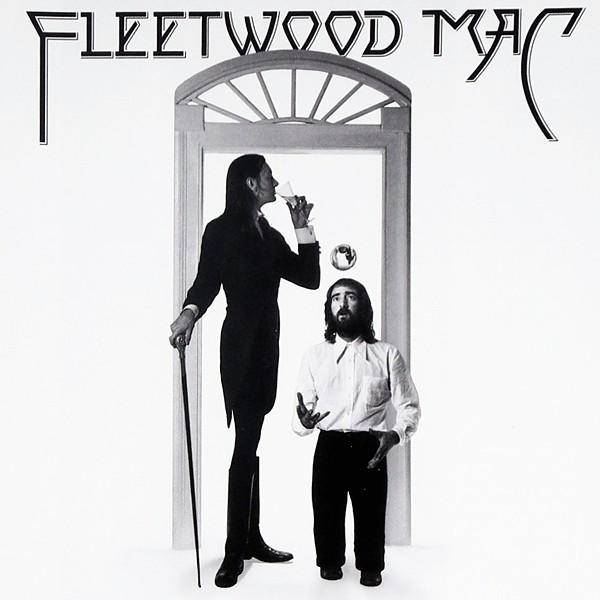 Fleetwood Mac’s 1975 self-titled album marked the beginning of the band’s most commercially successful era. It was the tenth studio album released under the group’s name, but it effectively introduced a new Fleetwood Mac to the world.
The album’s importance cannot be overstated. It established the musical chemistry among Buckingham, Nicks, Christine McVie, John McVie, and Mick Fleetwood. It also demonstrated that the band could combine three different songwriting personalities without losing its identity.
The record was built around contrast. Christine McVie supplied polished, melodic pop songs. Nicks contributed material that was more atmospheric and mysterious. Buckingham brought a sharper, more rhythmically complex style that pushed the arrangements toward a harder-edged form of pop rock.
The combination worked because the musicians did not all approach music in the same way. Christine’s writing often felt effortless and welcoming, with melodies that could be understood on the first listen. Nicks’ songs were more elusive, using imagery and vocal phrasing to create a sense of drama. Buckingham’s material frequently relied on intricate guitar patterns and tightly controlled rhythms.
The album opened with “Monday Morning,” a Buckingham composition whose bright, propulsive sound helped establish the record’s energy. “Warm Ways,” written by Christine, offered a softer and more intimate contrast.
“Rhiannon” became one of the defining songs of Nicks’ career. Inspired in part by a character from literature, the song introduced listeners to her fascination with myth, spirituality, independence, and female identity. Its rolling rhythm and gradually intensifying arrangement gave the performance a hypnotic quality.
Nicks’ stage presence would later become inseparable from the song. Her flowing clothes, expressive movements, and distinctive vocal delivery helped transform “Rhiannon” into a dramatic live centerpiece.
Christine McVie’s “Say You Love Me” demonstrated another side of the band’s appeal. Its melodic directness and polished arrangement helped make it a major hit, while the backing vocals gave it a richness that distinguished it from ordinary radio pop.
Buckingham’s “I’m So Afraid” offered a different kind of intensity. Built around a tense atmosphere and an extended guitar performance, it showed that the new Fleetwood Mac could retain the dramatic instrumental power of its earlier incarnations while embracing a modern rock sound.
Perhaps the most revealing track was “Landslide,” a quiet Buckingham composition that became one of the band’s most enduring songs. Written during a period of personal and professional uncertainty, it reflected on change, aging, fear, and the difficulty of deciding what to do with one’s life.
The song’s arrangement was remarkably restrained. Buckingham’s acoustic guitar supported a vocal performance that felt personal and exposed, allowing the lyrics and melody to carry the emotional weight. The track was not initially one of the album’s biggest hits, but it would eventually become one of Fleetwood Mac’s most beloved recordings.
The album reached No. 1 on the American album chart and produced several successful singles. For the first time, Fleetwood Mac had achieved the kind of mainstream American success that had eluded it throughout the early 1970s.
The achievement was particularly striking because the band had undergone so many changes. The musicians who made the album had not been together for very long, and the group was still learning how to work as a unified creative force.
Yet the record sounded confident. The arrangements were polished without feeling sterile, the songs were memorable without being simplistic, and the different voices gave the album a breadth that few groups could match.
The success also changed the band’s circumstances. Touring became more demanding, expectations increased, and the musicians were suddenly under pressure to follow a major commercial breakthrough with something even better.
Behind the scenes, however, the relationships that had brought the new Fleetwood Mac together were already deteriorating.
Buckingham and Nicks were experiencing serious problems in their romantic relationship. John and Christine McVie were also moving toward the end of their marriage. Mick Fleetwood’s own personal life was troubled, and the band members increasingly relied on their music as a way of processing emotions they struggled to discuss directly.
Their next album would emerge from that environment.
10. The Relationships Behind the Music
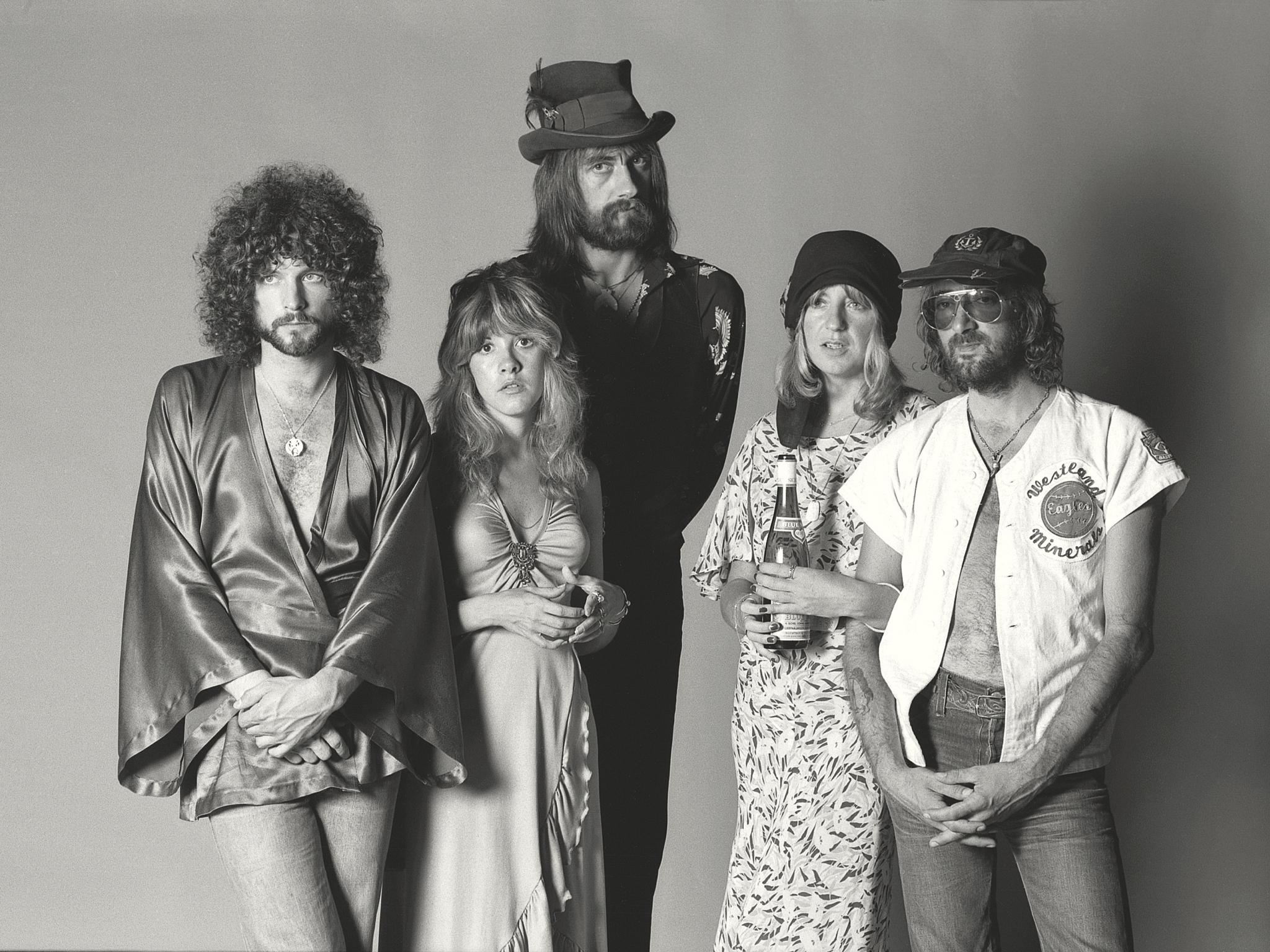 The history of Fleetwood Mac is frequently reduced to the romantic turmoil surrounding Rumours. That story is compelling, but it is important to understand how the relationships affected the music rather than treating the album as little more than a soundtrack to celebrity breakups.
When Buckingham and Nicks joined Fleetwood Mac, they were already partners in both life and music. Their relationship had helped shape their songwriting, and their shared experiences informed many of the songs they performed.
The pressure of Fleetwood Mac’s sudden success intensified existing problems. Touring kept the musicians away from home, recording required long periods of close collaboration, and the demands of the music business left little room for personal privacy.
Buckingham and Nicks eventually separated romantically, but neither could simply walk away from the other. They remained members of the same band, working on songs that sometimes appeared to address the very conflicts they were experiencing.
That situation became even more complicated because both musicians continued to write about love, disappointment, and independence. The songs were not necessarily literal diary entries, but listeners could hear the emotional intensity behind them.
John and Christine McVie were experiencing their own marital breakdown. Christine had become one of the band’s most reliable songwriters, but her personal life was changing dramatically. John, meanwhile, remained the bassist whose rhythmic partnership with Mick Fleetwood gave the group its musical stability.
The end of their marriage did not end their musical relationship. They continued to work together, sometimes communicating more effectively through recordings than through ordinary conversation.
Mick Fleetwood was also dealing with the collapse of his marriage to Jenny Boyd. The pressures surrounding the group affected him both personally and professionally, while the demands of running a major touring band created additional stress.
The musicians were therefore dealing with several overlapping crises. Their romantic relationships were changing, their careers were accelerating, and their working environment required them to spend enormous amounts of time together.
The circumstances were not unique to Fleetwood Mac. Bands have long struggled with the tensions that arise when friendships, business arrangements, artistic ambitions, and romantic relationships become intertwined. What made Fleetwood Mac unusual was the degree to which its members transformed those tensions into commercially successful songs.
Rather than attempting to hide every disagreement, the musicians continued writing and recording. Their songs offered different perspectives on similar experiences, allowing the album to become a kind of conversation among people who were no longer sure how to communicate with one another.
That does not mean every song can be assigned a single real-life target or interpreted as a direct statement about a particular relationship. The musicians sometimes resisted those simplistic readings, and the creative process involved more than documenting private arguments.
Nevertheless, the emotional context mattered. Buckingham’s more confrontational writing, Nicks’ introspective songs, and Christine McVie’s increasingly reflective material created a record whose emotional range was unusually broad.
The band members could be angry, vulnerable, defiant, nostalgic, or hopeful, sometimes within the same album. Their different personalities gave the music a tension that a more harmonious group might never have achieved.
By the time Fleetwood Mac began work on its next record, the five musicians were navigating the aftermath of several major breakups. They were also under intense commercial pressure to deliver a follow-up to an album that had become a huge success.
Their answer was Rumours.
11. Recording Rumours: Turning Personal Conflict Into a Landmark Album
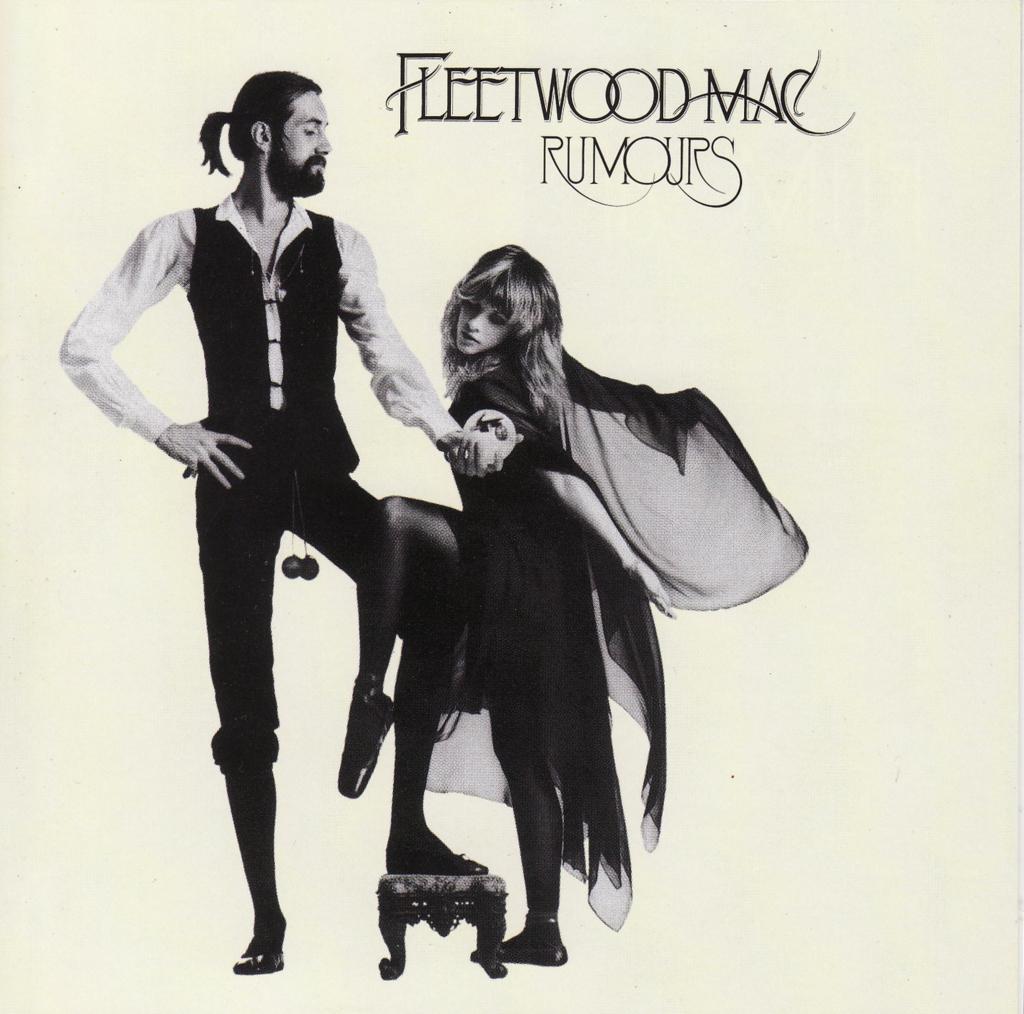 Released in February 1977, Rumours became one of the defining albums of the rock era. Its success was extraordinary, but the record’s lasting reputation rests on more than its sales. It is an album in which songwriting, vocal performance, arrangement, production, and emotional tension came together with unusual precision.
The recording process was demanding. The band worked in California studios, including the Record Plant in Sausalito, while its members struggled with personal problems and the pressures of fame. Producers Ken Caillat and Richard Dashut played important roles in shaping the sound, working closely with Buckingham and the other musicians to refine the recordings.
The sessions became famous for their emotional atmosphere. Relationships had fractured, tensions were high, and the musicians were often forced to perform songs whose meanings were painfully close to their own lives.
The recording environment was not always comfortable. The group spent long hours refining vocal harmonies, adjusting arrangements, and working through the technical details required to achieve the desired sound. The musicians could disagree intensely about musical decisions while still recognizing the quality of the material they were creating.
One of the album’s most remarkable achievements is its sonic consistency. Each song has its own identity, yet the record feels cohesive from beginning to end. The production gives the instruments room to breathe, while the vocal arrangements create a sense of depth and movement.
Buckingham was particularly important to the album’s sound. His interest in rhythm, texture, and layered recording helped give the songs their distinctive character. Rather than relying on conventional guitar arrangements, he often used unusual fingerpicking patterns, carefully placed accents, and intricate overdubs.
The result was music that could sound relaxed while containing considerable technical complexity. The rhythms were precise, but the performances retained a human quality. The harmonies were carefully arranged, yet the voices still conveyed the emotional uncertainty that ran through the songs.
The album’s opening track, “Second Hand News,” established the mood with a lively, almost playful arrangement. Its upbeat sound contrasted with the bitterness and frustration that could be heard beneath the surface.
“Dreams,” written by Nicks, became the album’s only No. 1 single in the United States. Its relatively sparse arrangement allowed the rhythm section to establish a hypnotic groove, while Buckingham’s guitar work added subtle movement. Nicks’ vocal performance was calm and controlled, giving the song an atmosphere of resignation rather than melodrama.
The song’s strength lies partly in its refusal to overstate its emotions. Instead of building toward a dramatic climax, it maintains a steady pulse and lets the melody gradually draw the listener in. The result is a recording that feels intimate and expansive at the same time.
“Never Going Back Again,” written by Buckingham, provided a striking contrast. The song’s intricate acoustic guitar pattern required considerable precision, and its deceptively light arrangement concealed a demanding performance. It illustrated Buckingham’s ability to turn technical experimentation into something immediately appealing.
“Don’t Stop,” written by Christine McVie, offered a more optimistic perspective. Its forward-looking message and buoyant rhythm made it one of the album’s most accessible songs. Although the song emerged during the breakdown of Christine’s marriage to John, it was not simply a bitter response to their separation. It reflected her determination to look ahead and imagine a different future.
“Go Your Own Way” was Buckingham’s contribution to the album’s more confrontational side. Its driving rhythm and forceful arrangement gave the song a sense of urgency. The lyrics reflected the pain and frustration of a relationship ending, while the performance conveyed an energy that made the song particularly effective in concert.
The song’s recording also demonstrated how personal conflict could become part of the musical arrangement. Buckingham’s vocal delivery was intense, the guitars were sharply defined, and the rhythm section pushed the song forward with relentless momentum.
Nicks was reportedly uncomfortable with aspects of the song’s lyrics and with how directly it seemed to address their relationship. Yet the tension contributed to the performance’s intensity. The track became one of the band’s signature recordings and a defining example of its ability to turn emotional conflict into compelling rock music.
“Songbird,” written by Christine McVie, was among the album’s most delicate moments. Recorded with a sparse arrangement, it emphasized her voice and piano, creating a sense of intimacy that contrasted with the denser production elsewhere on the record.
The song demonstrated Christine’s ability to communicate emotion without relying on elaborate arrangements or dramatic vocal flourishes. Its simplicity was a strength, and it became a favorite at live performances.
“The Chain” was another essential track. Unusually, it was the only song on Rumours credited to all five band members. Its construction drew on material developed separately by the musicians, including a bass passage that became one of the most recognizable elements in Fleetwood Mac’s catalog.
The song moves through several distinct sections before reaching its famous instrumental climax. John McVie’s bass line and Mick Fleetwood’s drumming establish a powerful rhythmic foundation, while Buckingham’s guitar and the layered vocals create increasing tension.
The title itself suggested a relationship that could not easily be broken. In the context of the band’s personal conflicts, the song acquired an additional significance. The musicians might be separating in their private lives, but they remained linked through their work and their shared history.
“Gold Dust Woman,” written by Nicks, closed the album with a darker, more atmospheric sound. Its unusual textures and layered percussion created a sense of unease, while Nicks’ vocal performance gave the song a haunting quality.
The track also reflected the broader pressures surrounding the band. Fame, relationships, substance use, and emotional exhaustion were becoming increasingly difficult to separate from the creative process. The recording suggested that the polished surface of Fleetwood Mac’s music concealed a more complicated world.
Rumours received enormous commercial success. It spent many weeks at the top of the American album chart, generated several major hit singles, and eventually became one of the best-selling albums in history. The album won the Grammy Award for Album of the Year, cementing Fleetwood Mac’s position among the most successful acts of the 1970s.
Yet its cultural importance grew beyond its initial chart performance. The record became a standard against which other albums were measured, particularly in terms of sequencing, songwriting, production, and the balance between accessibility and emotional depth.
Its success also created a difficult question for the band: how could five musicians follow an album that had become so closely associated with their personal struggles and musical achievements?
Their answer would be an album that deliberately challenged the expectations created by Rumours.
12. The Cultural Impact of Rumours
The success of Rumours changed Fleetwood Mac’s position in the music industry. The band had gone from a frequently unstable group with a complicated history to one of the biggest recording acts in the world.
The album’s songs became part of everyday life. They appeared on radio stations, in homes, at parties, and eventually in films, television programs, and countless retrospectives about classic rock. Even listeners who knew little about the band’s earlier history could recognize its melodies.
One reason for the album’s extraordinary longevity is its balance between familiarity and complexity. The songs are accessible enough to work as pop singles, but the arrangements reward repeated listening. A casual listener might initially notice the chorus of “Dreams” or the guitar pattern in “Go Your Own Way.” Someone who returns to the record may begin to appreciate the vocal layering, rhythmic detail, and subtle changes in the arrangements.
The album also captured a particular moment in American popular culture. The mid-1970s had seen the growth of album-oriented radio, sophisticated studio production, and a market for rock records that could appeal to a broad adult audience without abandoning musical credibility.
Fleetwood Mac occupied that space exceptionally well. The band’s music was polished, but it retained the emotional directness associated with rock. It was technically sophisticated without requiring specialist knowledge to appreciate. Its songs could be played individually, yet the album had a narrative quality that encouraged listeners to experience the whole record.
The personal circumstances surrounding the sessions also gave the album a story that audiences could understand. The musicians were not merely writing abstract songs about heartbreak. They were creating music while dealing with changes in their own relationships.
Over time, this story became inseparable from the record’s reputation. The songs seemed to offer different perspectives on the same emotional landscape, creating an unusual sense of continuity across the album.
However, it would be a mistake to attribute the record’s success entirely to the musicians’ private problems. Plenty of bands experience relationship breakdowns without producing great albums. What distinguished Fleetwood Mac was the ability to transform those experiences into strong songwriting and then refine the material through disciplined musical work.
The band members were not simply recording whatever happened during their arguments. They were arranging songs, experimenting with sounds, revising vocal parts, and making countless production decisions. The finished album was the result of talent, preparation, and persistence as much as emotional intensity.
The record also had a significant influence on subsequent musicians. Its combination of intricate arrangements, memorable melodies, and carefully constructed vocal harmonies became a model for many artists working in pop rock and alternative music.
Its influence can be heard in later generations of singer-songwriters and bands that sought to combine personal lyrics with sophisticated studio production. The album’s continued popularity among younger listeners demonstrates that its emotional themes have not become confined to the era in which it was recorded.
For Fleetwood Mac, though, the enormous success came with a cost. The band members had spent months creating a record that reflected their conflicts, and the album’s popularity meant that they would spend years performing those songs in front of enormous audiences.
Every concert became a reminder of the relationships that had changed during the recording process. The music could be celebrated publicly even as the people who created it continued to struggle privately.
13. Tusk: Refusing to Repeat the Formula
Following the extraordinary success of Rumours, Fleetwood Mac faced a familiar problem for commercially successful artists: the temptation to repeat a formula that had already worked.
The obvious strategy would have been to record another collection of polished pop-rock songs with strong choruses and familiar arrangements. The band had an enormous audience, and a conventional follow-up would probably have been commercially successful.
Lindsey Buckingham, however, wanted to explore a different direction.
Buckingham was increasingly interested in experimental recording techniques, unusual rhythms, stripped-down arrangements, and sounds that did not necessarily conform to mainstream radio expectations. He was fascinated by the possibilities of the recording studio as an instrument in its own right.
His approach had already influenced Rumours, but the success of that album gave him greater freedom to pursue his ideas. He wanted Fleetwood Mac to move beyond the comfortable territory it had established.
The result was Tusk, released in 1979.
The album was a substantial departure from Rumours. It was a double album, giving the musicians more room to experiment, and its sound was often more fragmented and unconventional. Some tracks featured sparse arrangements and unusual percussion, while others retained the band’s familiar melodic strengths.
The title track, “Tusk,” was among the boldest experiments. Its marching rhythms, layered percussion, and brass arrangements created a sound that was unusual for a major rock band. The recording incorporated the University of Southern California Trojan Marching Band, giving the song an expansive, almost ceremonial character.
The track was an unexpected hit, demonstrating that the band’s audience was willing to follow it into unfamiliar territory.
Other songs reflected Buckingham’s interest in minimalist arrangements and rhythmic experimentation. “Not That Funny” featured a sharp, repetitive groove, while “The Ledge” was deliberately abrasive and stripped down. These recordings contrasted with the smooth production that had characterized much of Rumours.
Christine McVie and Stevie Nicks contributed songs that provided melodic continuity. Christine’s “Think About Me” and Nicks’ “Sara” offered more conventional structures, while still reflecting the album’s broader atmosphere of uncertainty and change.
“Sara” became one of the album’s most memorable recordings. Its spacious arrangement and gentle rhythmic movement gave Nicks’ vocal performance room to develop, creating a song that was both intimate and cinematic.
The album’s diversity was part of its appeal, but it also made Tusk more challenging for listeners who expected another Rumours. Rather than presenting a unified collection of radio-friendly songs, the record offered a broader view of the band’s creative interests.
Commercially, Tusk was successful, reaching the top of the charts in Britain and performing strongly in the United States. It nevertheless sold substantially fewer copies than Rumours and was considered a disappointment by some observers who judged it against its predecessor’s extraordinary numbers.
In retrospect, the album’s reputation has grown. It is now frequently regarded as one of Fleetwood Mac’s most adventurous records, demonstrating that the band was willing to take artistic risks even at the height of its popularity.
The album also revealed the growing differences between Buckingham and the rest of the group. His perfectionism and interest in experimentation sometimes created tension during recording sessions. The process could be exhausting, particularly when other members felt that his musical ambitions were taking the band too far from its collective identity.
Yet Tusk remains important precisely because it captures Fleetwood Mac at a moment when commercial success had not completely overwhelmed its willingness to experiment.
14. The 1980s: Solo Careers and the Return to Mainstream Pop
By the beginning of the 1980s, Fleetwood Mac had become one of the most successful bands in the world, but its members increasingly wanted to pursue individual projects.
The group’s creative process had become demanding, and the musicians had spent years balancing their personal lives with the responsibilities of recording and touring. Solo work offered an opportunity to explore ideas without having to accommodate the preferences of four other people.
Stevie Nicks emerged as the most commercially successful solo artist from the band. Her 1981 album Bella Donna became a major success, featuring songs such as “Edge of Seventeen” and “Leather and Lace.” The album demonstrated that her distinctive voice and songwriting could support a successful career outside Fleetwood Mac.
Nicks’ solo work also allowed her to develop a more individual artistic identity. Her interest in mythology, romantic narratives, and dramatic imagery was already apparent in her Fleetwood Mac songs, but her solo recordings gave those qualities additional space.
Lindsey Buckingham also pursued solo work, releasing Law and Order in 1981. The album explored many of the experimental techniques that had interested him during the making of Tusk. Its sound was more idiosyncratic than conventional arena rock, emphasizing unusual arrangements and studio experimentation.
Christine McVie released solo material as well, further demonstrating the strength of her songwriting outside the group. Her work retained the melodic qualities that had made her Fleetwood Mac songs so successful.
The band itself returned with Mirage in 1982. The album represented a move back toward the more polished, accessible sound that had characterized Rumours, although it retained some of the sophistication developed during the Tusk sessions.
Songs such as “Hold Me,” “Gypsy,” and “Love in Store” demonstrated that Fleetwood Mac could still create compelling pop rock. The record performed well commercially and produced several successful singles.
“Gypsy,” written by Nicks, became one of the band’s most enduring songs from the period. Its reflective tone and layered arrangement suggested a desire to reconnect with an earlier stage of life, before fame and commercial success had changed everything.
The album’s production was polished, and its songs were designed to work effectively on radio. After the experimentation of Tusk, the record demonstrated that Fleetwood Mac could move between artistic exploration and commercial accessibility.
However, the group was becoming increasingly difficult to maintain. Its members had different priorities, and the success of their solo careers meant that Fleetwood Mac was no longer the only vehicle through which they could express themselves.
The band took an extended break after touring for Mirage. During this period, its future remained uncertain.
Mick Fleetwood also experienced significant financial difficulties, including bankruptcy, which added another layer of pressure to an already complicated situation. Meanwhile, Nicks faced serious substance-use problems that affected her life and career.
The group’s members continued to remain connected, but the sense of collective purpose that had driven the recording of Rumours was becoming harder to sustain.
The question was no longer whether Fleetwood Mac could produce another successful album. It was whether the musicians could find a reason to work together again.
15. Tango in the Night: Another Major Success
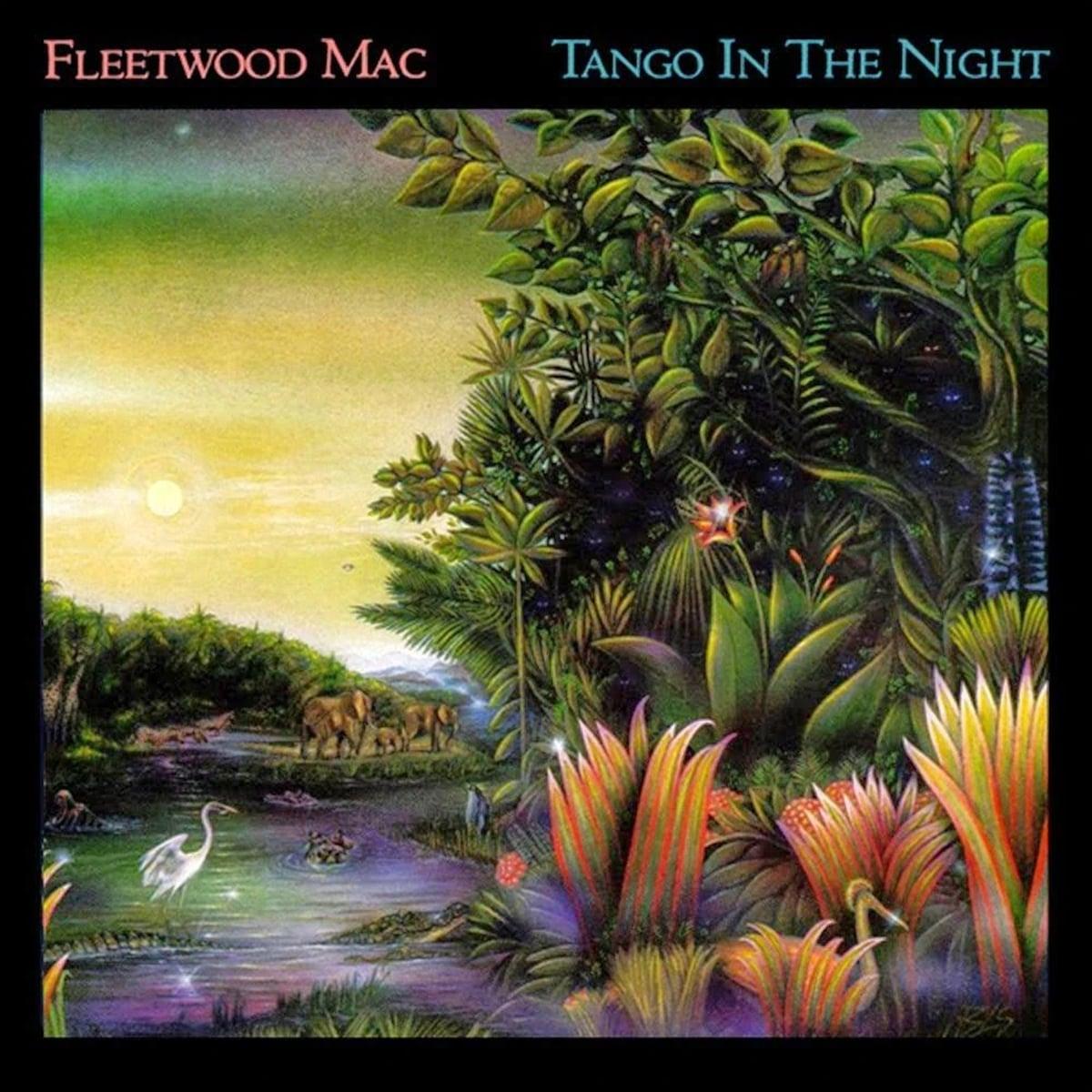 Fleetwood Mac returned in 1987 with Tango in the Night, an album that became one of the most successful releases of the band’s career.
The record had an unusual origin. Buckingham had been working on material for a solo project, but the songs eventually developed into a Fleetwood Mac album. His production approach was central to the record, and the finished sound reflected the sophisticated studio techniques that had become increasingly important to 1980s pop music.
The album incorporated layered synthesizers, programmed rhythms, carefully constructed vocal arrangements, and Buckingham’s intricate guitar work. Its sound was more contemporary than that of the band’s 1970s recordings, but it retained the melodic strengths that had made Fleetwood Mac successful.
“Big Love,” the opening track, established the album’s direction. Buckingham’s tightly controlled guitar patterns and rhythmic vocal delivery created an energetic, modern sound. The recording was distinctive enough to stand apart from contemporary pop while remaining accessible to a broad audience.
“Little Lies,” written by Christine McVie with Eddy Quintela, became one of the album’s biggest hits. Its polished arrangement, memorable melody, and layered vocals captured the glossy sophistication of late-1980s pop rock.
“Everywhere,” another Christine McVie composition, was similarly successful. The song’s warm melody and shimmering arrangement demonstrated her continuing ability to write pop songs that felt effortless without being musically simplistic.
Nicks contributed “Seven Wonders,” which brought her distinctive vocal character into the album’s more contemporary sound. The track demonstrated that her songwriting could adapt to changing production styles without losing its identity.
Tango in the Night became a major commercial success, particularly in Britain and Europe, and produced several hit singles. It confirmed that Fleetwood Mac could remain relevant in a decade whose musical landscape differed dramatically from that of the 1970s.
However, the success was accompanied by another major internal crisis.
Buckingham had become increasingly uncomfortable with the demands of the band. He had invested enormous effort in the album’s production, but he did not want to commit to another lengthy tour. The other members, particularly Fleetwood, believed that touring was necessary to support the record.
The disagreement became increasingly serious. Buckingham ultimately left Fleetwood Mac in 1987, shortly before the planned tour.
His departure was a major turning point. He had been one of the band’s principal creative forces for more than a decade, and his production style had shaped its most successful records. Losing him meant that Fleetwood Mac would have to find another way to maintain its musical identity.
The remaining members continued with replacement guitarists and vocalists. Billy Burnette and Rick Vito joined the group, bringing different musical backgrounds and helping the band maintain its touring commitments.
Fleetwood Mac had survived the departure of Peter Green, Jeremy Spencer, Danny Kirwan, Bob Welch, and numerous other musicians. It was now facing the loss of Buckingham, one of the architects of its most celebrated era.
The band continued, but the chemistry was different. Its later recordings would have to find a new balance between the familiar Fleetwood Mac sound and the contributions of musicians who had not been part of its greatest commercial period.
16. The Post-Buckingham Years and the End of an Era
Fleetwood Mac continued recording and touring after Buckingham’s departure, but the band’s identity became increasingly complicated.
The 1990 album Behind the Mask featured the remaining core members alongside Billy Burnette and Rick Vito. The record demonstrated that Fleetwood Mac could still create polished rock music, although it lacked the distinctive creative partnership that had shaped Rumours and Tango in the Night.
The album was commercially respectable, but its reception illustrated the challenge facing the group. Audiences had become strongly associated with the Buckingham-Nicks lineup, and replacing Buckingham was particularly difficult because his influence extended beyond guitar playing. He had been a major songwriter, arranger, and producer.
Nicks also gradually reduced her involvement in the band as she concentrated on her solo career. Christine McVie remained a key member, but the group’s creative balance was changing.
In the early 1990s, Fleetwood Mac entered another period of uncertainty. The band’s personnel shifted again, and its future became less clear. In 1995, the group released Time, an album that featured a substantially different lineup and included singer Bekka Bramlett and guitarist Dave Mason.
The record represented another attempt to keep Fleetwood Mac moving forward, but it did not achieve the success of the band’s earlier work. The familiar musical identity had become difficult to maintain without the core combination of musicians who had produced its best-known albums.
For many fans, this period demonstrated the limits of the Fleetwood Mac name as a substitute for the chemistry among its principal members. The brand could survive personnel changes, but the music depended on particular relationships between songwriters, singers, and instrumentalists.
The band’s story might have ended there, with its legacy preserved through recordings and occasional touring. Instead, the musicians eventually found their way back together.
17. The 1997 Reunion: The Classic Lineup Returns
 In 1997, Fleetwood Mac reunited its celebrated Rumours-era lineup for a live performance that became the foundation for The Dance, a concert recording released later that year.
The reunion brought together Mick Fleetwood, John McVie, Christine McVie, Lindsey Buckingham, and Stevie Nicks. Their return was a major event for fans who had spent years wondering whether the musicians would ever perform together again.
The concert demonstrated that the band’s musical chemistry remained powerful. The songs were familiar, but the performances had acquired additional emotional depth through the passage of time. The musicians had experienced decades of success, personal difficulties, and changing relationships, and the reunion offered an opportunity to revisit their shared history.
The performance of “The Chain” was particularly significant. The song had always represented the connections among the five musicians, and hearing them perform it together again carried a special meaning.
The concert also introduced the band’s catalog to a new generation of listeners. The late 1990s saw a renewed interest in classic rock, and The Dance became a successful release that reinforced Fleetwood Mac’s standing as a major live act.
The reunion did not erase the conflicts of the past. Buckingham and Nicks still had a complicated personal history, and the members continued to maintain separate lives outside the group. Yet the concert demonstrated that they could work together professionally despite those differences.
The success of The Dance led to further touring and renewed interest in the band’s recordings. Fleetwood Mac was no longer simply a legacy act whose greatest work belonged to the 1970s. It had become a living musical institution, capable of attracting audiences across generations.
The reunion also reinforced the importance of the classic lineup. Earlier versions of Fleetwood Mac had produced excellent music, but the combination of Buckingham, Nicks, Christine McVie, John McVie, and Mick Fleetwood remained the version most closely associated with the band’s greatest commercial success.
For many listeners, The Dance was the moment when the group’s history came full circle. The musicians who had transformed Fleetwood Mac in the mid-1970s were once again sharing a stage, performing songs that had become part of popular culture.
18. The 2000s and 2010s: Touring, Reinvention, and Renewed Popularity
Fleetwood Mac continued to tour in the decades following the reunion, although the lineup changed as individual members pursued different priorities.
Christine McVie left the band in the late 1990s and spent much of the following years away from touring. She had become tired of the demands of life on the road and chose to live more quietly in England.
Her absence was significant. Christine had been one of Fleetwood Mac’s most important songwriters, and her compositions had helped define the band’s sound. Without her, the group could still perform its best-known songs, but something essential was missing.
The remaining members continued touring, and Buckingham and Nicks remained central to the band’s live identity. Their performances demonstrated that the music still had considerable power, even as the musicians grew older and the original recording sessions became more distant.
A major resurgence came in the 2010s, when “Dreams” experienced a remarkable revival among younger listeners. The song’s popularity was renewed through online sharing and social media, introducing Fleetwood Mac to people who had not been alive when Rumours was released.
This resurgence illustrated the unusual durability of the band’s music. A recording created in the 1970s could suddenly become a contemporary cultural reference, demonstrating that strong songwriting can survive dramatic changes in technology and listening habits.
The song’s renewed popularity also encouraged listeners to explore the rest of Rumours. Many discovered that the album was not simply a collection of familiar classic-rock tracks but a carefully constructed work whose emotional themes remained relevant.
Fleetwood Mac’s touring business benefited from this renewed interest. The band continued to attract large audiences, including younger fans who had discovered its music through streaming platforms rather than radio or vinyl records.
In 2014, Christine McVie returned to Fleetwood Mac, reuniting the classic five-member lineup for touring. Her return was welcomed by fans and gave the group a renewed sense of completeness.
The reunion also demonstrated the lasting musical relationship between Christine and the other members. Despite the years away, she remained a natural fit within the band’s arrangements, and her songs continued to provide a melodic center for the live performances.
However, the relationship between Buckingham and the rest of the band eventually deteriorated again. In 2018, Buckingham departed from Fleetwood Mac following disagreements about the group’s touring plans and direction. He was replaced by Mike Campbell of Tom Petty and the Heartbreakers and Neil Finn of Crowded House.
The change was controversial because Buckingham had been one of the defining members of the classic lineup. His playing, songwriting, and production had shaped Fleetwood Mac’s greatest records, and many fans regarded his presence as essential to the band’s identity.
Nevertheless, Fleetwood Mac continued touring with Campbell and Finn, demonstrating once again the determination of Mick Fleetwood and the other members to keep the group active.
The band’s history had always been marked by change, and the 2018 lineup reflected the same survival instinct that had carried it through earlier departures. But this time, the loss felt particularly significant because the classic lineup had become such an important part of the band’s public image.
19. Christine McVie: The Heart of Fleetwood Mac’s Songwriting
 Any history of Fleetwood Mac must recognize Christine McVie as one of its most important creative figures.
She was sometimes overshadowed in popular discussions by the dramatic relationship between Buckingham and Nicks, but her songwriting was central to the band’s success. Her melodies gave Fleetwood Mac a sense of warmth and accessibility that balanced the more experimental tendencies of Buckingham and the atmospheric style of Nicks.
Christine’s songs often sounded effortless. She had a gift for creating chord progressions that felt familiar without becoming predictable, and her melodies were strong enough to remain memorable after a single listen.
“Don’t Stop” demonstrated her ability to write a song with a positive outlook without making it feel superficial. “You Make Loving Fun” combined a strong groove with an infectious melody, while “Songbird” revealed her ability to create a deeply intimate performance through minimal instrumentation.
Her later songs, including “Little Lies” and “Everywhere,” showed that her writing could adapt to the production styles of the 1980s without losing its essential character.
Christine’s voice was also distinctive. It lacked the theatrical quality of Nicks’ singing, but its warmth and clarity made it particularly effective in Fleetwood Mac’s harmonies. She could deliver a line with a conversational ease that made even carefully constructed studio recordings feel natural.
Her role within the group extended beyond songwriting. She was a keyboard player whose harmonic instincts helped guide arrangements, and she was an important collaborator during recording sessions. Her musical judgment provided a counterweight to Buckingham’s perfectionism and the different approaches of the other members.
Christine McVie died in November 2022, at the age of 79, following a short illness. Her death marked the end of an era for Fleetwood Mac.
The band members publicly expressed their grief, and the news prompted renewed appreciation for her contribution. Listeners revisited her songs and recognized how much of Fleetwood Mac’s identity had depended on her work.
Her legacy is particularly important because she helped bridge the band’s different eras. She joined when Fleetwood Mac was still rooted in British blues, contributed to its transformation during the early 1970s, and became one of the principal songwriters of its most successful lineup.
Without Christine McVie, Fleetwood Mac would have sounded very different. Her melodies and performances were not simply additions to the band’s music; they were among the foundations on which its greatest achievements rested.
20. Peter Green’s Legacy and the Band’s Blues Roots
While the classic lineup dominates Fleetwood Mac’s commercial history, Peter Green remains essential to understanding its musical origins.
Green established the band’s early reputation through his distinctive guitar playing and songwriting. His work demonstrated that blues could be expressive, atmospheric, and commercially successful without losing its emotional depth.
Songs such as “Albatross,” “Black Magic Woman,” and “Oh Well” remain important examples of his musical vision. They reveal a guitarist who was interested in tone, melody, and mood as much as instrumental technique.
Green’s departure in 1970 marked the end of the band’s original identity, but his influence remained part of its history. The rhythm section he helped assemble continued to support the group through decades of change, and the name he helped establish became associated with several distinct musical eras.
Green struggled with serious mental health difficulties during his life and spent long periods away from the spotlight. Although he occasionally returned to music, his career never regained the momentum it had enjoyed during Fleetwood Mac’s early years.
He died in July 2020, aged 73. His death prompted tributes from musicians and fans who recognized his influence on blues and rock guitar.
Mick Fleetwood had long spoken of Green with admiration, and Fleetwood Mac’s early history remained an important part of his own musical identity. In 2020, Fleetwood helped organize a tribute concert celebrating Green’s music and legacy.
The event highlighted the continuing respect that Green commanded among musicians. His influence extended beyond Fleetwood Mac, reaching guitarists who valued expressive playing and songwriting that prioritized emotion over display.
The contrast between Green’s early Fleetwood Mac and the later Buckingham-Nicks lineup is striking, but both periods demonstrate the band’s willingness to evolve. Green established the original musical foundation; the later members built something different from it.
That is one of the most unusual aspects of Fleetwood Mac’s story. Many bands struggle to survive the loss of their founding songwriter. Fleetwood Mac not only survived but achieved its greatest success after the departure of the musician who originally defined it.
21. The Albums That Define Fleetwood Mac’s Career
Fleetwood Mac’s long history produced a substantial catalog, but several albums stand out as essential listening for anyone interested in the band’s development.
Then Play On (1969)
The strongest representation of the Peter Green era’s evolution. It retains the band’s blues roots while expanding into more atmospheric and adventurous arrangements. The album captures a band moving beyond traditional blues without abandoning the expressive guitar work that originally made it distinctive.
Future Games (1971)
An important transition toward the band’s more spacious, melodic sound, with Bob Welch and Christine McVie increasingly influencing its direction. The title track demonstrates the group’s growing interest in extended compositions and atmosphere.
Bare Trees (1972)
A rewarding record from the transitional years, combining Danny Kirwan’s melancholy songwriting with Welch’s atmospheric approach and Christine’s melodic instincts. It offers a glimpse of the band gradually finding its way toward a more contemporary sound.
Fleetwood Mac (1975)
The album that introduced the successful Buckingham-Nicks lineup and established the musical chemistry that would define the group’s most famous period. Songs such as “Rhiannon,” “Say You Love Me,” and “Landslide” introduced several of the qualities that would make the band internationally successful.
Rumours (1977)
The band’s masterpiece of songwriting and production, combining memorable melodies with emotional complexity and extraordinary vocal arrangements. Its carefully sequenced songs form a cohesive album while remaining strong enough to stand independently.
Tusk (1979)
An adventurous double album that challenged the expectations created by Rumours and demonstrated Buckingham’s interest in experimental recording. Its unconventional production and wide variety of styles make it one of the most fascinating records in the band’s catalog.
Mirage (1982)
A polished return to a more accessible pop-rock sound, featuring memorable songs from Christine McVie and Stevie Nicks. The album demonstrated that Fleetwood Mac could produce commercially successful music in the 1980s without simply copying its earlier work.
Tango in the Night (1987)
One of the band’s major commercial achievements of the 1980s, blending sophisticated production with strong melodies and distinctive performances. Its success confirmed that Fleetwood Mac could adapt to changing musical trends while retaining its songwriting strengths.
Taken together, these albums demonstrate that Fleetwood Mac’s legacy cannot be reduced to a single style. Its blues recordings, transitional albums, classic pop-rock records, and experimental work each represent different stages of a long musical evolution.
22. Why Fleetwood Mac’s Music Continues to Resonate
Fleetwood Mac’s continuing popularity is not simply the result of nostalgia. The band created music that remains emotionally and musically engaging long after its original release.
Its greatest songs address experiences that are common across generations. Relationships end, people change, and individuals struggle to reconcile the lives they imagined with the lives they actually lead. Fleetwood Mac’s music approaches these subjects from different perspectives, sometimes with anger, sometimes with sadness, and sometimes with a determination to move forward.
The band’s multiple songwriters are essential to that appeal. Christine McVie, Stevie Nicks, and Lindsey Buckingham had distinct voices, and their contrasting approaches prevented the group from becoming predictable.
Christine’s songs often offered melodic warmth and clarity. Nicks brought atmosphere, symbolism, and a distinctive vocal identity. Buckingham introduced rhythmic complexity, unusual arrangements, and an almost obsessive attention to production.
The rhythm section supplied continuity. Mick Fleetwood’s drumming was expressive and flexible, while John McVie’s bass playing gave the music a steady foundation. Their partnership remained central even as the band’s other members changed.
The contrast between the early blues material and the later pop-rock recordings also gives Fleetwood Mac an unusually broad history. A listener can move from the spacious guitar work of “Albatross” to the rhythmic precision of “Go Your Own Way” and hear a group that changed dramatically without losing its commitment to musical expression.
The band also benefited from the lasting power of album-oriented listening. Rumours works as a collection of individual songs, but it also creates an emotional progression when heard from beginning to end. The contrasts between the tracks become more meaningful as the listener learns about the circumstances in which they were written.
The resurgence of “Dreams” among younger audiences further demonstrated the durability of the music. New listeners did not need to understand the history of the band to respond to the song’s hypnotic rhythm and understated melody. The recording worked on its own terms, decades after its creation.
At the same time, discovering the larger catalog gives listeners a richer understanding of the group. The songs are not simply famous recordings associated with a particular decade. They are part of a long creative journey involving several generations of musicians, changing musical styles, and a remarkable ability to adapt.
Conclusion: Fleetwood Mac’s Extraordinary Place in Rock History
Fleetwood Mac’s history is remarkable because it contains several careers within a single band’s name.
The original group established itself through Peter Green’s expressive blues guitar and a rhythm section that would remain central for decades. The early 1970s brought a period of experimentation, personnel changes, and uncertainty, during which Danny Kirwan, Bob Welch, and Christine McVie helped move the band toward a broader musical identity.
The arrival of Lindsey Buckingham and Stevie Nicks transformed that foundation into a major commercial force. The 1975 self-titled album introduced a distinctive combination of songwriting voices, while Rumours brought the band worldwide recognition and became one of the most celebrated albums in popular music.
Rather than repeating its greatest success, Fleetwood Mac explored new territory on Tusk. The following decade brought solo careers, further changes, and another major commercial achievement with Tango in the Night. Later reunions demonstrated the enduring power of the classic lineup, even as personal differences continued to affect the band’s future.
The deaths of Peter Green in 2020 and Christine McVie in 2022 marked the loss of two of its most important musical figures. Their contributions spanned the band’s original blues era and its transformation into an internationally successful pop-rock group.
Fleetwood Mac’s legacy is therefore larger than the story of one album or one lineup. It is the story of a band that repeatedly reinvented itself, often under difficult circumstances, and produced important music in several different forms.
The group’s greatest achievement was not merely surviving its many crises. It was creating songs that transformed those experiences into something listeners could recognize in their own lives.
That is why Fleetwood Mac remains one of the greatest bands of all time. Its music combines technical sophistication with emotional directness, commercial success with artistic risk, and personal conflict with a remarkable sense of musical unity. Few bands have changed so dramatically, survived so much upheaval, or left behind a catalog that continues to reach new audiences decades after its most famous recordings were made.
This post has already been read 6 times!