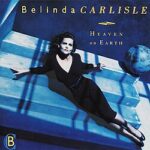
 Few songs capture the bright, hopeful spirit of late-1980s pop quite like “Heaven Is a Place on Earth” by Belinda Carlisle. With its soaring chorus, shimmering production, and heartfelt message about love’s transformative power, the song became one of the defining hits of the decade.
Released in 1987 as the lead single from Carlisle’s album Heaven on Earth, the track quickly climbed the charts and eventually reached No. 1 on the Billboard Hot 100. It also topped charts around the world, becoming the biggest hit of Carlisle’s solo career.
But the song’s importance goes beyond chart success. “Heaven Is a Place on Earth” marked a moment when Belinda Carlisle reinvented herself—moving from punk and new wave beginnings into polished pop stardom while still retaining the emotional sincerity that made her such a compelling performer.
More than three decades later, the song remains a beloved classic, its uplifting message and unforgettable melody continuing to resonate with listeners.
From Punk Roots to Pop Stardom
Before she became a pop superstar, Belinda Carlisle was known for something very different.
In the late 1970s, she was the lead singer of The Go-Go’s, one of the most successful all-female rock bands of the early MTV era. The group blended punk energy with catchy pop songwriting and scored major hits like “We Got the Beat” and “Our Lips Are Sealed.”
The Go-Go’s achieved enormous success, but by the mid-1980s the band had broken up due to internal tensions and personal struggles.
Carlisle soon launched a solo career.
Her 1986 solo album produced the hit single “Mad About You,” proving she could succeed outside the band. But it was her second solo album that would transform her into an international pop icon.
That album was Heaven on Earth.
And at the center of it was the song that would define her career.
A Songwriters’ Vision
“Heaven Is a Place on Earth” was written by Rick Nowels and Ellen Shipley, two songwriters who were developing a reputation for crafting emotionally powerful pop songs.
Their concept for the song was simple but powerful.
Many songs describe heaven as a distant or spiritual place beyond human reach. Nowels and Shipley flipped that idea on its head.
Instead, they proposed that heaven could exist right here on Earth—through love.
The opening lyric captures the theme immediately:
“Ooh, baby, do you know what that’s worth?
Ooh, heaven is a place on Earth.”
Rather than focusing on heartbreak or longing, the song celebrates the possibility that love can transform everyday life into something extraordinary.
It’s an optimistic message, and one that perfectly suited Carlisle’s warm, expressive voice.
A Perfect Pop Production
The song’s production helped elevate it from a strong pop composition to a massive hit.
Produced by Rick Nowels, the recording embraces the lush sound of late-1980s pop music. Layers of synthesizers, bright guitars, and driving drums create a rich sonic atmosphere that feels both grand and uplifting.
The arrangement begins with a gentle intro before building steadily toward the explosive chorus.
Each verse increases the emotional intensity, adding more instruments and vocal harmonies as the song progresses.
By the time the chorus arrives, the music feels enormous—almost cinematic.
The production captures a sense of soaring optimism that matches the song’s message perfectly.
Belinda Carlisle’s Vocal Performance
While the songwriting and production are impressive, the song ultimately succeeds because of Belinda Carlisle’s vocal performance.
Carlisle doesn’t possess the powerhouse vocal style of singers like Whitney Houston or Celine Dion. Instead, her strength lies in the warmth and sincerity of her delivery.
Her voice carries a sense of openness and emotional honesty that makes listeners believe every word she sings.
On “Heaven Is a Place on Earth,” she strikes the perfect balance between vulnerability and confidence.
In the verses, her tone feels intimate, as if she’s sharing a personal revelation. But when the chorus arrives, her voice expands into a joyful declaration.
The repeated line—
“Heaven is a place on Earth.”
—becomes a triumphant statement of love and possibility.
Carlisle’s delivery makes the message feel genuine rather than sentimental.
A Chorus Built for the Ages
One of the main reasons “Heaven Is a Place on Earth” became such a massive hit is its unforgettable chorus.
The melody is simple but incredibly effective.
As the music swells, Carlisle sings:
“They say in heaven love comes first
We’ll make heaven a place on Earth.”
The line captures the entire theme of the song in a single moment.
The idea that love can transform the world around us is both romantic and empowering. It’s the kind of sentiment that listeners instinctively want to sing along with.
The chorus also benefits from the song’s rich harmonies and dynamic instrumentation, which make the moment feel even more dramatic.
It’s the kind of pop hook that sticks in your mind long after the song ends.
The Music Video and MTV Era
The late 1980s were the golden age of MTV, and “Heaven Is a Place on Earth” received a major boost from its striking music video.
The video features Carlisle performing in a dreamlike environment filled with glowing lights and symbolic imagery.
One of the most memorable elements is a young girl holding a glowing orb that represents love and hope. Throughout the video, the orb passes from person to person, symbolizing the spread of love.
The visual concept reinforces the song’s theme that love can create something heavenly in the real world.
Carlisle’s confident performance and striking presence helped make the video one of the most recognizable clips of the era.
It also cemented her image as a glamorous pop star.
A Global Smash
When “Heaven Is a Place on Earth” was released in 1987, it quickly became a worldwide sensation.
The song reached No. 1 on the Billboard Hot 100 in the United States, where it remained for a week. It also topped charts in several other countries, including the United Kingdom.
The success of the single helped propel the Heaven on Earth album to multi-platinum status.
For Belinda Carlisle, it represented the peak of her solo career.
Although she would continue releasing successful music in the years that followed, “Heaven Is a Place on Earth” remained her signature song.
The Song’s Enduring Appeal
More than thirty-five years after its release, “Heaven Is a Place on Earth” still resonates with listeners.
Part of its longevity comes from its universal message.
The idea that love can transform everyday life into something extraordinary is timeless. It’s a theme that transcends musical trends and generational boundaries.
The song also captures the sonic spirit of the late 1980s while remaining surprisingly fresh.
Its shimmering production and powerful melody continue to sound uplifting rather than dated.
For many listeners, the song evokes a sense of nostalgia for an era when pop music embraced big emotions and even bigger choruses.
A Career-Defining Moment
For Belinda Carlisle, “Heaven Is a Place on Earth” represented more than just a hit single.
It confirmed her transformation from punk-era band member into a global pop star.
The song showcased her ability to deliver emotionally resonant performances while embracing the polished production style of mainstream pop.
It also demonstrated the power of strong songwriting combined with authentic vocal delivery.
When those elements align perfectly, the result can be something magical.
And that’s exactly what happened with this song.
A Pop Anthem That Still Shines
“Heaven Is a Place on Earth” remains one of the most beloved pop songs of the 1980s.
Its soaring melody, optimistic lyrics, and heartfelt vocal performance created a track that feels timeless.
The song reminds listeners that love has the power to elevate everyday life into something extraordinary.
That message—simple, hopeful, and deeply human—is why the song continues to endure.
Every time the chorus rises and Belinda Carlisle declares that heaven can exist right here on Earth, the sentiment still feels as uplifting and inspiring as it did when the song first conquered the charts in 1987.
This post has already been read 4164 times!