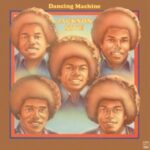
 In the early 1970s, the musical landscape was changing rapidly. Soul music was evolving, funk was becoming more prominent, and the early foundations of disco were beginning to take shape. At the center of that transformation stood one of the most famous family groups in pop history: The Jackson 5. Their 1974 hit “Dancing Machine” not only revitalized the group’s career but also helped introduce a new era of rhythm-driven dance music.
With its infectious groove, futuristic sound effects, and the unmistakable voice of a young Michael Jackson, “Dancing Machine” became one of the group’s biggest hits of the decade. The song showcased the Jackson 5’s ability to evolve musically while maintaining the energetic charm that had made them stars.
More than fifty years after its release, “Dancing Machine” remains a classic dance track and a defining moment in the early career of Michael Jackson, who would later become one of the most influential entertainers in music history.
The Jackson 5’s Early Success
Before “Dancing Machine,” the Jackson 5 had already taken the music world by storm.
Discovered by Berry Gordy and signed to Motown Records in 1968, the group—comprised of brothers Jackie, Tito, Jermaine, Marlon, and Michael Jackson—quickly became one of the label’s biggest acts. Their early hits were a perfect blend of pop, soul, and youthful exuberance.
Songs like “I Want You Back,” “ABC,” “The Love You Save,” and “I’ll Be There” dominated the charts between 1969 and 1971. In fact, the Jackson 5 made history when their first four singles all reached No. 1 on the Billboard Hot 100, an unprecedented achievement for a new group.
Much of their success was built around the remarkable talent of Michael Jackson, who was still a young teenager at the time. His powerful voice, natural charisma, and electrifying stage presence quickly made him the group’s standout star.
However, by the early 1970s, the group faced new challenges.
A Changing Musical Landscape
As the decade progressed, the original bubblegum-soul sound that had made the Jackson 5 famous began to lose momentum. Musical tastes were shifting toward funkier, more rhythm-driven styles.
Motown recognized that the group needed to adapt if they wanted to stay relevant in the evolving pop and R&B scene.
That adaptation arrived with “Dancing Machine.”
Released in 1974 as part of the album Get It Together, the song represented a dramatic shift in the Jackson 5’s sound. Instead of the polished pop-soul arrangements of their earlier hits, “Dancing Machine” leaned heavily into funk rhythms, electronic effects, and dance-floor energy.
It was a sign that the Jackson 5 were ready to embrace the future.
The Groove That Powered the Song
The production of “Dancing Machine” was handled by the songwriting and production team Hal Davis, Don Fletcher, and Dean Parks, who crafted a track that felt both modern and irresistible.
At the heart of the song is a funky rhythm section driven by bass guitar, tight drum grooves, and rhythmic guitar accents. The beat is upbeat and energetic, encouraging listeners to move almost instantly.
One of the song’s most distinctive features is its use of early synthesizer and electronic effects. The track includes futuristic “robot-like” sounds that give the song a playful, almost sci-fi atmosphere.
These electronic elements were relatively new in mainstream pop music at the time, helping “Dancing Machine” stand out on radio playlists.
The result was a track that felt perfectly suited for the dance floor.
Michael Jackson’s Energetic Performance
While the groove of “Dancing Machine” is undeniably infectious, it’s Michael Jackson’s vocal performance that truly drives the song.
Even at a young age, Michael possessed remarkable control over his voice. His delivery on the track is full of excitement and personality, capturing the joy and energy of dancing itself.
Rather than delivering complex storytelling, the lyrics focus on celebrating the act of dancing and admiring someone with incredible moves.
Michael’s voice rises and falls with the rhythm of the music, creating a sense of movement that mirrors the theme of the song.
His enthusiasm is contagious.
Listeners can practically feel the excitement in every line.
The Birth of the “Robot”
“Dancing Machine” became even more iconic thanks to the Jackson 5’s live performances of the song.
During television appearances and concerts, Michael Jackson began incorporating a dance move known as the “Robot.” The move involved stiff, mechanical movements designed to resemble a machine coming to life.
The Robot dance quickly became one of Michael’s signature performance tricks during the mid-1970s.
Audiences were captivated by the combination of the song’s futuristic sound effects and Michael’s robotic dance style. The performances gave the song a visual identity that made it even more memorable.
While Michael Jackson would later introduce many famous dance moves—including the Moonwalk—the Robot was one of the earliest examples of his ability to combine music and choreography in innovative ways.
Chart Success
When “Dancing Machine” was released as a single in early 1974, it quickly climbed the charts.
The song reached No. 2 on the Billboard Hot 100, becoming the Jackson 5’s biggest hit in several years. It also performed well on the R&B charts and became a favorite on dance floors across the country.
The success of the song proved that the Jackson 5 could evolve with changing musical trends. It also introduced a new sound that would influence the group’s later recordings.
For Motown, the hit reaffirmed that the Jackson brothers were still one of the label’s most valuable acts.
A Bridge to the Disco Era
“Dancing Machine” arrived at an important moment in music history.
Although the disco explosion would not fully take off until the mid-to-late 1970s, the rhythmic emphasis and dance-focused energy of the song helped lay the groundwork for that movement.
Its steady groove, electronic flourishes, and upbeat tempo all reflected the growing popularity of dance music in clubs and urban communities.
In many ways, “Dancing Machine” served as a bridge between the soul music of the late 1960s and the disco sounds that would dominate the second half of the decade.
It showed that the Jackson 5 could adapt to new musical styles while still maintaining their identity.
Michael Jackson’s Emerging Stardom
Another reason “Dancing Machine” remains so important is that it highlights the early stages of Michael Jackson’s transformation into a global superstar.
Even though the Jackson 5 functioned as a group, it was becoming increasingly clear that Michael’s talent was something extraordinary.
His vocals, stage presence, and dance ability made him the focal point of performances. Songs like “Dancing Machine” allowed him to showcase those abilities more prominently.
Within a few years, Michael would begin launching the solo career that would eventually lead to albums like Off the Wall, Thriller, and Bad.
But the seeds of that future greatness were already visible.
A Lasting Legacy
More than fifty years after its release, “Dancing Machine” continues to hold a special place in pop and R&B history.
The song remains a staple of classic soul and dance playlists, frequently appearing in television shows, films, and nostalgic compilations.
Its funky groove and playful energy still feel fresh and exciting, proving that great dance music never truly goes out of style.
For fans of the Jackson 5, the track represents a moment when the group successfully reinvented themselves.
For fans of Michael Jackson, it’s an early glimpse of the creativity and showmanship that would eventually make him the King of Pop.
A Song Built for the Dance Floor
At its heart, “Dancing Machine” is exactly what its title suggests: a celebration of movement, rhythm, and pure musical fun.
With its infectious groove, innovative electronic sounds, and unforgettable performances, the song captured the spirit of a new musical era.
It showed that the Jackson 5 were more than just a youthful pop sensation—they were artists capable of evolving with the times.
And thanks to Michael Jackson’s electrifying energy, “Dancing Machine” became more than just a hit record.
It became a moment in music history when funk, dance, and pop came together to create something unforgettable.
This post has already been read 647 times!