This post has already been read 10577 times!
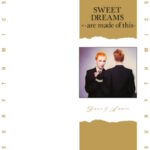 In 1983, The Eurythmics released “Sweet Dreams (Are Made of This),” a song that would not only define their career but also become one of the most iconic tracks of the 1980s. Written by Annie Lennox and Dave Stewart, the song blends minimalistic yet compelling synthesizer lines with Lennox’s unforgettable vocal delivery to create a piece that is at once hypnotic, unsettling, and irresistibly catchy. It stands as a landmark in the evolution of synth-pop, demonstrating how electronic music could be both commercially successful and artistically daring. Beyond its musical innovation, the song delves into themes of desire, human motivation, and existential yearning, making it resonate across decades as both a pop classic and a cultural touchstone.
From the opening synthesized pulse, “Sweet Dreams (Are Made of This)” establishes a stark, commanding presence. The track begins with a looping synth riff that immediately imprints itself in the listener’s mind, creating a sense of mechanical inevitability that mirrors the lyrical exploration of human ambition and desire. The minimalist arrangement is deceptively intricate: Stewart’s layered synthesizers, processed to create depth and texture, provide a sonic landscape that is both cold and compelling, evoking a futuristic and slightly menacing atmosphere. The programmed drum machine complements the synthesizers with a steady, almost hypnotic rhythm, grounding the track in danceable momentum while enhancing its otherworldly quality. The effect is immediately arresting: the listener is drawn in not only by the groove but by the tension between simplicity and complexity, between familiarity and strangeness.
Annie Lennox’s vocal performance is central to the song’s power and enduring appeal. Her delivery is cool, measured, and penetrating, combining an icy detachment with subtle emotional undercurrents that suggest longing, vulnerability, and existential curiosity. Lennox’s timbre, rich with texture and nuance, allows her to convey multiple layers of meaning simultaneously, turning the lyrics into a meditation on human desire and the pursuit of satisfaction. The contrast between the mechanical, almost robotic instrumentation and her emotionally resonant vocals heightens the sense of tension and intrigue, creating a haunting, hypnotic quality that distinguishes the track from other pop music of the era. Her performance is not about sheer power or virtuosity but about emotional precision, using subtle inflection and phrasing to make the song feel both intimate and expansive.
Lyrically, “Sweet Dreams (Are Made of This)” is deceptively straightforward, yet its simplicity masks a deep and multifaceted exploration of human ambition, longing, and existential tension. The repeated refrain, “Sweet dreams are made of this / Who am I to disagree?” functions as both a statement and a question, establishing a thematic duality that resonates throughout the song. On one level, it reflects a meditation on the elusive nature of satisfaction and the unpredictable paths of desire. On another, it can be read as a commentary on the inherent contradictions of human striving—the simultaneous pursuit of pleasure, control, and meaning. Lines such as “Some of them want to use you / Some of them want to get used by you” offer sharp insights into human relationships and power dynamics, framing desire as both personal and socially mediated. The lyrical economy is part of the song’s genius: in a few carefully chosen phrases, Lennox and Stewart create a complex, layered meditation on human motivation that is both enigmatic and accessible.
The song’s structure contributes significantly to its hypnotic effect. Built around a repeating synthesizer motif, the track employs minimal harmonic changes, allowing the focus to remain on rhythm, texture, and vocal delivery. The verses and chorus blend seamlessly, with the repetition of melodic and lyrical material reinforcing the sense of circularity and inevitability that permeates the song. The bridge introduces subtle variations in harmony and rhythm, providing contrast and heightening tension without disrupting the overall hypnotic flow. This meticulous attention to pacing and development ensures that the song maintains engagement across its runtime, transforming simplicity into a powerful structural device.
Musically, the track exemplifies the potential of electronic instruments in pop music. Dave Stewart’s synthesizer work is innovative and forward-thinking, using layering, delay, and modulation to create a sound that feels expansive yet intimate, mechanical yet organic. The use of minimal chord changes and repetitive motifs emphasizes rhythm and texture, allowing the listener to focus on subtleties in performance, tone, and dynamics. The programmed drums and synthesized bass create a steady propulsion, providing both dancefloor appeal and structural cohesion. These elements, combined with Lennox’s vocals, demonstrate a sophisticated understanding of sonic space, texture, and dynamics that was groundbreaking for the time. The song’s production showcases how electronic music could be expressive, nuanced, and emotionally resonant, countering the stereotype of synth-pop as cold or artificial.
The cultural impact of “Sweet Dreams (Are Made of This)” was immediate and profound. Released during a period when music videos were becoming a dominant force in popular culture, the song’s accompanying video—featuring Lennox in a stark, surreal landscape—enhanced its enigmatic allure. The visual presentation reinforced the themes of alienation, desire, and existential questioning embedded in the song, creating a multimedia experience that captivated audiences and solidified The Eurythmics’ presence in popular consciousness. The track’s commercial success, coupled with its artistic sophistication, demonstrated that pop music could be both intellectually engaging and widely accessible, paving the way for other electronic and synth-pop artists to explore complex themes within a commercial framework.
The interplay between repetition and variation in the song is a key factor in its enduring hypnotic power. The looping synth motif establishes a sense of inevitability, mirroring the cyclical nature of desire and ambition explored in the lyrics. Small variations in instrumentation, vocal phrasing, and dynamic levels prevent monotony and sustain engagement, creating a track that is simultaneously predictable and endlessly fascinating. This careful manipulation of repetition reflects the Eurythmics’ compositional sophistication, turning minimal material into a maximally compelling experience. Listeners are drawn into a trance-like engagement with the music, reflecting both the thematic and structural brilliance of the composition.
Another defining feature of the track is its emotional ambiguity. The juxtaposition of cool, detached instrumentation with Lennox’s subtly expressive vocals creates a tension that mirrors the complex emotions embedded in the lyrics. The song is at once seductive and unsettling, celebratory and introspective, intimate and alienating. This ambiguity allows it to operate on multiple levels, engaging listeners emotionally, intellectually, and physically. It is a song that can be danced to, reflected upon, or simply admired for its structural and sonic ingenuity, demonstrating a rare versatility in popular music.
The influence of “Sweet Dreams (Are Made of This)” extends far beyond its initial release. Its innovative use of synthesizers, minimalist production, and hypnotic repetition helped define the sound of 1980s pop music and influenced countless artists in electronic, pop, and alternative genres. The song’s fusion of catchy hooks with dark, introspective themes demonstrated that electronic music could carry emotional weight and narrative depth, inspiring a generation of musicians to explore similar terrain. Its impact is felt not only in stylistic emulation but also in the broader approach to songwriting, production, and performance that it helped popularize.
The song’s timeless appeal also lies in its thematic universality. By exploring desire, ambition, and human motivation through metaphorical and elliptical lyrics, Lennox and Stewart created a track that remains relevant across decades and cultures. The questions it poses—about satisfaction, human relationships, and the pursuit of personal and collective goals—are as pertinent today as they were in 1983. This universality, combined with the song’s sonic distinctiveness and emotive power, ensures that it continues to resonate with listeners across generations.
Live performances of “Sweet Dreams (Are Made of This)” further underscore its lasting impact. Annie Lennox’s commanding stage presence, combined with the Eurythmics’ innovative use of synthesizers and multimedia elements, transforms the song into an immersive, dynamic experience. The track’s hypnotic rhythm and compelling vocal lines allow for both visual and auditory engagement, creating a performance that is simultaneously precise, emotionally resonant, and electrifying. These performances reinforce the song’s ability to connect with audiences on multiple levels, highlighting its enduring vitality and adaptability.
Ultimately, “Sweet Dreams (Are Made of This)” stands as a defining achievement for The Eurythmics, encapsulating their innovative spirit, emotional intelligence, and mastery of synth-pop. The song demonstrates the power of minimalism, repetition, and sonic texture to convey complex emotions and themes, while Lennox’s vocal performance adds depth, vulnerability, and intensity. Its fusion of accessibility and sophistication, commercial appeal and artistic daring, ensures that it remains not only a landmark of 1980s music but also a timeless work of art.
The track’s legacy lies in its ability to engage listeners on multiple levels: musically, emotionally, and intellectually. It is a song that can be danced to, contemplated, admired, and studied, offering rewards with each successive listening. Its minimalist production, hypnotic repetition, and emotional depth create a layered listening experience that is both immediate and lasting. The interplay between human emotion and electronic instrumentation, the balance of repetition and variation, and the thematic exploration of desire and human motivation all contribute to a track that is endlessly compelling.
In the final analysis, “Sweet Dreams (Are Made of This)” exemplifies The Eurythmics’ brilliance as both performers and songwriters. It captures the tension between accessibility and sophistication, emotion and artifice, desire and alienation, creating a song that is as intellectually stimulating as it is viscerally engaging. Its combination of hypnotic instrumentation, memorable hooks, and incisive lyrics ensures its place in the pantheon of great pop music, and its influence on subsequent generations of artists underscores its cultural and artistic significance. The track remains a testament to the enduring power of creative vision, musical innovation, and emotional honesty, securing its status as one of the most memorable and impactful songs of the 1980s and beyond.