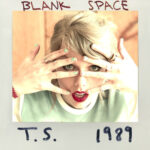
 In 2014, Taylor Swift released 1989, an album that marked a decisive turn in her career, fully embracing pop while retaining the storytelling and emotional insight that had defined her songwriting from the start. Among its standout tracks, “Blank Space” emerged as one of the most iconic, blending sharp wit, catchy hooks, and a theatrical sense of self-awareness to create a song that is at once playful, seductive, and disarmingly clever. Written by Swift with producers Max Martin and Shellback, the song is a masterclass in combining pop sensibilities with layered narrative, allowing Swift to explore themes of love, reputation, and media scrutiny with humor, sophistication, and an unmistakable personal voice. It is a track that demonstrates her ability to craft songs that are culturally resonant, musically compelling, and emotionally layered, establishing a template for her continued reinvention as an artist.
From the opening notes, “Blank Space” establishes a sleek, minimalist pop groove that immediately commands attention. The instrumentation is precise and deliberate: a rhythmic pulse of percussion, subtle electronic flourishes, and a bass line that carries both momentum and tension. This sonic backdrop creates a sense of controlled chaos, a perfect complement to the lyrical narrative of a woman both alluring and dangerous, playful and self-aware. The production is tight, modern, and polished, emphasizing clarity and impact while leaving space for Swift’s vocals to occupy the center of the track. The opening synths and percussion pulses set the stage for a story that unfolds with cinematic flair, drawing listeners into a world of intrigue, romance, and performative excess.
Swift’s vocal performance on “Blank Space” is central to the song’s success. She navigates a delicate balance between seduction and satire, delivering lines with a mix of sultry intimacy and ironic detachment. Her voice is expressive, precise, and highly dynamic, allowing her to inhabit multiple personas within the song: the flirtatious lover, the self-conscious media caricature, and the confident storyteller. Lines like “Got a long list of ex-lovers / They’ll tell you I’m insane” showcase her ability to blend humor and vulnerability, turning what could be self-deprecating commentary into a playful exploration of perception, power, and desire. Swift’s delivery amplifies the song’s tension, using vocal inflection, timing, and phrasing to convey both emotional truth and theatrical exaggeration, creating a performance that is as performative as it is intimate.
Lyrically, “Blank Space” is remarkable for its layered narrative and sharp self-awareness. Swift takes a familiar pop trope—the volatile, obsessive lover—and turns it into a pointed critique of public perception, media narratives, and the pressures of celebrity. The lyrics are witty, incisive, and unapologetically theatrical, allowing Swift to inhabit the exaggerated persona of the “crazy ex-girlfriend” often projected onto her by tabloid culture. Yet beneath the satire lies a genuine reflection on the complexities of love, reputation, and identity. Lines such as “Cherry lips, crystal skies / I could show you incredible things” evoke both seduction and spectacle, blending romantic imagery with an awareness of performance and perception. The song’s brilliance lies in its ability to be both a pop hit and a commentary, simultaneously entertaining and thoughtful.
Structurally, “Blank Space” exemplifies precision and efficiency in pop songwriting. The track is built around a verse-chorus structure that maximizes tension and release, with each section carefully calibrated to sustain engagement and emphasize narrative progression. The verses build anticipation through lyrical detail and rhythmic variation, while the chorus delivers immediate melodic payoff and emotional clarity. Swift’s use of repetition, particularly in the titular line, reinforces the central conceit of the song while creating an earworm effect that ensures the song’s memorability. The bridge functions as a moment of dramatic escalation, heightening the sense of narrative and emotional tension before returning to the familiar refrain. This careful orchestration of musical and lyrical elements creates a sense of cohesion and dynamism that allows the song to feel both immediate and expansive.
The song’s instrumentation further enhances its thematic impact. The use of sparse electronic elements, precise percussion, and subtle harmonic layering creates a sonic environment that mirrors the controlled chaos of the lyrics. The instrumentation is elegant in its minimalism, leaving room for Swift’s voice to dominate while contributing to the track’s overall tension and momentum. The production choices reinforce the duality at the heart of the song: beauty and danger, attraction and satire, desire and critique. Each instrumental layer serves both an aesthetic and narrative purpose, demonstrating the careful thought and artistry behind the arrangement.
One of the most striking aspects of “Blank Space” is its interplay between reality and performance. Swift uses the song to address public perception and personal experience simultaneously, blending truth and exaggeration in a way that feels authentic yet theatrical. This meta-commentary adds a layer of sophistication uncommon in mainstream pop, inviting listeners to consider not only the story being told but also the broader context of fame, narrative, and identity. The song functions as a self-aware performance, where the tension between authenticity and caricature becomes part of the artistic expression. Swift’s ability to navigate this interplay contributes to the song’s enduring relevance and cultural resonance.
The music video for “Blank Space” amplifies the song’s theatricality, translating its narrative and emotional layers into a visual medium. Set in a lavish mansion with dramatic and often exaggerated scenes of romance, jealousy, and destruction, the video mirrors the song’s blend of allure and satire. Swift’s performance in the video reinforces the duality of the track, embodying both the seductive protagonist and the self-aware commentator on the myths of celebrity and romance. The combination of visual storytelling, meticulous production design, and performative nuance creates a cohesive artistic statement that extends the song’s impact beyond the auditory experience, further cementing its status as a cultural touchstone.
“Blank Space” is also notable for its cultural impact and reception. Upon its release, the song quickly became a commercial and critical success, topping charts worldwide and earning acclaim for its inventive approach to pop storytelling. Critics and fans alike praised Swift’s ability to blend catchy melodies with sharp, self-referential lyrics, recognizing the track as both a highlight of 1989 and a defining moment in her career. The song’s success demonstrated Swift’s capacity to evolve artistically, transitioning from country-pop prodigy to fully realized pop innovator without losing the emotional and narrative clarity that had characterized her earlier work.
Thematically, “Blank Space” resonates on multiple levels. It explores desire, romantic risk, and the thrill of connection, while simultaneously examining the societal pressures and public narratives that shape personal identity. The song reflects a nuanced understanding of both human relationships and cultural perception, addressing the ways in which love, reputation, and self-presentation intersect. Swift’s lyrics capture the excitement, uncertainty, and performative aspects of romance, creating a story that feels both immediate and reflective. This layering of emotional and intellectual content allows the song to engage listeners in multiple ways, offering both visceral enjoyment and thematic depth.
The song’s enduring appeal is also rooted in its adaptability and interpretive openness. While it tells a specific story, its imagery, phrasing, and emotional resonance allow listeners to project their own experiences and interpretations onto the track. The balance between specificity and universality is one of Swift’s greatest strengths as a songwriter, enabling her to create songs that feel intensely personal while remaining broadly relatable. “Blank Space” exemplifies this duality, functioning as both a playful commentary on celebrity romance and a reflection on desire, vulnerability, and human connection.
Moreover, “Blank Space” demonstrates Swift’s skill in using irony and exaggeration as artistic tools. The song’s playful self-mythologizing allows her to confront public perception while maintaining control of her own narrative. By leaning into the caricature of the obsessive, dramatic lover, she transforms media scrutiny into creative expression, reclaiming the narrative and turning potential critique into a source of artistic power. This strategic use of irony adds layers of meaning to the song, allowing it to function simultaneously as entertainment, self-reflection, and cultural commentary.
The production choices in “Blank Space” contribute significantly to its polished, contemporary feel while reinforcing the song’s thematic elements. The precision of the percussion, the clarity of the vocal mix, and the subtle electronic textures create a sonic environment that feels controlled and deliberate, reflecting the song’s themes of performance and self-awareness. Every element of the arrangement—from the choice of instrumentation to the placement of vocal harmonies—serves the song’s narrative and emotional objectives, demonstrating the careful craftsmanship behind its creation.
Ultimately, “Blank Space” endures because it captures a complex intersection of emotion, performance, and cultural commentary with clarity, intelligence, and style. Taylor Swift’s vocal performance, combined with the meticulous production and clever lyricism, creates a song that is immediately engaging while offering deeper rewards for attentive listening. Its exploration of desire, perception, and identity resonates across time and audience, ensuring that it remains a touchstone in Swift’s discography and a defining moment in contemporary pop music.
The track’s influence extends beyond its immediate commercial success, shaping conversations about pop music, female representation in the industry, and the interplay between celebrity and narrative. Its ability to combine accessibility with sophistication, humor with insight, and personal narrative with cultural critique exemplifies the potential of pop music to operate on multiple levels simultaneously. “Blank Space” is a song that entertains, provokes thought, and inspires engagement, demonstrating Taylor Swift’s mastery of the art form and her continued relevance as a songwriter and cultural figure.
In the end, “Blank Space” is more than a pop hit; it is a statement of artistic identity, a commentary on love and fame, and a showcase of Swift’s ability to blend vulnerability, wit, and musical craftsmanship. It captures the exhilaration and complexity of desire, the pressures and absurdities of public perception, and the thrill of artistic reinvention. Decades from now, it will likely continue to be recognized not only for its catchy melody and chart success but for the intelligence, humor, and emotional depth that make it a standout achievement in contemporary music.
This post has already been read 8889 times!