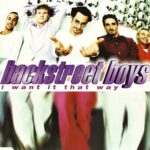
 In 1999, the Backstreet Boys released “I Want It That Way,” a song that would come to define not only their career but the landscape of late-1990s pop music. Written by Max Martin and Andreas Carlsson, the track blends impeccable pop craftsmanship with heartfelt emotional resonance, creating a song that is instantly recognizable and endlessly singable. Its combination of smooth harmonies, memorable hooks, and lyrical ambiguity allowed it to resonate with millions of fans worldwide, cementing the Backstreet Boys as one of the most influential acts of the boy band era. More than just a commercial hit, “I Want It That Way” demonstrates the power of pop music to capture universal emotions—longing, confusion, love, and heartbreak—while delivering them in a polished, radio-ready package that appeals to audiences across generations.
From the very first notes, the song establishes a sense of urgency and emotional pull. The opening chords, driven by a clean, echoing guitar riff and a light percussive framework, immediately create a melodic foundation that is both engaging and emotionally evocative. The instrumentation is deceptively simple, allowing the vocal harmonies to take center stage. Each member of the Backstreet Boys contributes to the layered textures, with AJ McLean, Howie Dorough, Nick Carter, Kevin Richardson, and Brian Littrell blending their voices to create a lush, enveloping sound. This careful arrangement of voices is a hallmark of the group’s style, allowing them to convey intimacy and grandeur simultaneously, and it is on full display throughout “I Want It That Way.”
The vocal delivery is central to the song’s lasting impact. Each singer brings a distinct timbre and emotional nuance to the track, creating a collective performance that feels personal yet expansive. The lead lines, predominantly handled by Brian Littrell and AJ McLean, convey a sense of yearning and vulnerability, while the harmonized choruses amplify the emotional weight of the lyrics. The subtle interplay between voices—alternating leads, stacked harmonies, and carefully timed background responses—creates a dynamic that keeps listeners engaged and invested. There is a tenderness in the delivery that belies the song’s polished pop production, allowing fans to connect with the music on both an emotional and aesthetic level. The vocal arrangement demonstrates the meticulous craftsmanship that Max Martin and his team brought to the writing and production process, ensuring that each line carries weight, clarity, and resonance.
Lyrically, “I Want It That Way” is famously enigmatic, a quality that has fueled discussions, debates, and even playful confusion among listeners for decades. On the surface, the lyrics express romantic longing and emotional disconnect, with lines like “Tell me why, ain’t nothin’ but a heartache / Tell me why, ain’t nothin’ but a mistake” evoking frustration, misunderstanding, and unfulfilled desire. The repeated refrain, “I want it that way,” functions as both a statement and a lament, capturing the tension between desire and circumstance. The lyrics are intentionally vague, allowing listeners to project their own experiences and interpretations onto the song, whether romantic, personal, or even nostalgic. This ambiguity is part of the track’s genius: it creates an emotional universality that transcends the specifics of any one narrative, inviting a diverse audience to engage with the song on their own terms.
Structurally, the song exemplifies the principles of perfect pop construction. The verses are concise and build anticipation, leading seamlessly into the soaring chorus that provides a melodic release. The bridge introduces subtle harmonic shifts and a change in lyrical focus, creating contrast while reinforcing the song’s central emotional themes. The production uses restraint in instrumentation, allowing the vocal melodies to remain front and center, while the drum machine, subtle synths, and guitar lines provide rhythm, texture, and movement without overwhelming the harmonies. The song’s dynamics are carefully calibrated: the verses feel intimate, the choruses expansive, and the bridge reflective, creating an ebb and flow that mirrors the emotional arc of the lyrics. This structural precision is a key factor in the song’s ability to remain memorable and engaging even decades after its release.
The production of “I Want It That Way” demonstrates the meticulous attention to detail that defined late-1990s pop music. Max Martin, already known for crafting hits with groups like the Backstreet Boys and later NSYNC, used a combination of layered vocal arrangements, carefully programmed instrumentation, and polished mixing to create a sound that was both radio-friendly and emotionally resonant. The clarity of each element—from the crisp percussion to the harmonized vocals—ensures that the listener’s attention is drawn precisely where it needs to be, emphasizing the emotional core of the track while maintaining a sense of sonic polish. Every note, every pause, and every vocal inflection is purposeful, contributing to the track’s overall impact and enduring appeal.
One of the defining aspects of “I Want It That Way” is its balance of immediacy and timelessness. On one level, it is a song built for instant connection: the melody is catchy, the chorus is unforgettable, and the lyrics resonate with universal themes of love, longing, and misunderstanding. On another level, it contains a subtle sophistication in arrangement, harmonic layering, and vocal interplay that rewards repeated listening. This duality is a key reason for the track’s lasting cultural significance. It operates as both a pop earworm and a finely crafted work of musical architecture, appealing to casual listeners and attentive fans alike.
The song’s emotional resonance is heightened by its performance and presentation, both in the studio and on stage. In live performances, the Backstreet Boys’ harmonies take on added warmth and immediacy, while the choreography, stage presence, and visual elements amplify the track’s emotional energy. The interplay between audience and performers during the chorus—where fans often sing along with the iconic refrain—creates a sense of communal experience, reinforcing the song’s themes of connection, longing, and shared emotion. The track’s ability to inspire such engagement speaks to its craftsmanship, accessibility, and the universality of the emotions it conveys.
“I Want It That Way” also reflects the cultural moment of the late 1990s, a period marked by the dominance of boy bands, the rise of teen pop, and the increasing globalization of the music industry. The song’s success—topping charts worldwide and becoming a defining moment in the Backstreet Boys’ career—demonstrates the era’s appetite for polished, emotionally resonant pop delivered by charismatic performers. It captured the zeitgeist of the time while transcending it, appealing to both teenagers navigating the complexities of love and adults appreciating the meticulous artistry behind the music. Its impact on pop culture is evident not only in its chart performance but in its enduring presence in media, television, film, and internet culture.
The instrumentation of the track is deceptively restrained but effective. Guitars provide melodic counterpoints and harmonic support, while synthesized textures add depth and ambiance without overwhelming the vocal lines. Percussion maintains a driving rhythm that propels the song forward, complementing the emotional push of the lyrics and melodies. This careful orchestration ensures that the song feels expansive and dynamic despite its relatively simple framework. Every element, from the subtle backing harmonies to the precise timing of drum hits, contributes to a cohesive, emotionally compelling whole. The production allows the vocals to remain the central focus, reinforcing the song’s emotional core while providing an engaging sonic environment.
The chorus of “I Want It That Way” is the defining moment of the track, encapsulating its emotional intensity and melodic genius. The harmonized delivery of the title line is both immediate and enduring, creating an effect that is simultaneously euphoric and bittersweet. It functions as the emotional apex of the song, crystallizing the tension between desire and misunderstanding that runs throughout the lyrics. The repeated melodic phrasing and vocal layering ensure that the chorus remains unforgettable, capable of eliciting instant recognition and emotional response from listeners, even decades after its release.
The song’s bridge provides a contrast to the rest of the track, introducing a moment of reflection and vulnerability. The harmonic shifts and slightly pared-down instrumentation create a sense of introspection, allowing the emotional stakes of the song to deepen before the final, triumphant return to the chorus. This careful manipulation of dynamics and structure enhances the song’s narrative arc, creating a sense of journey and resolution. It demonstrates the meticulous attention to detail that Max Martin and the Backstreet Boys applied to every aspect of the track, from arrangement to vocal performance to production.
Culturally, “I Want It That Way” has achieved a status beyond mere commercial success. It has become a defining song of the boy band era, emblematic of the late-1990s pop landscape, and a staple in discussions of pop music craftsmanship. Its influence can be seen in countless subsequent pop hits, particularly in the emphasis on vocal harmony, melodic clarity, and the combination of emotional resonance with commercial accessibility. The song’s enduring popularity—evidenced by its continued radio play, streaming numbers, and presence in popular culture—underscores its ability to connect with new generations of listeners while maintaining its original emotional impact.
Ultimately, “I Want It That Way” endures because it blends emotional authenticity, technical precision, and memorable melody in a way few pop songs achieve. It captures the intensity of longing, the ambiguity of romantic desire, and the power of shared emotional experience, all while maintaining a polished, universally appealing sound. The vocal harmonies, carefully structured instrumentation, and dynamic arrangement demonstrate the artistry underlying what many perceive as a simple pop song. The track’s ability to evoke nostalgia, emotional resonance, and communal participation ensures its place not only in the Backstreet Boys’ catalog but in the broader canon of iconic pop music.
In the final analysis, “I Want It That Way” represents the pinnacle of late-1990s pop craftsmanship, combining memorable melodies, sophisticated vocal arrangements, and universal emotional themes. Its cultural impact, chart success, and enduring presence in media and public consciousness highlight its significance as a work of both artistic and commercial achievement. The song exemplifies the unique blend of technical skill, emotional resonance, and accessibility that defines great pop music, ensuring that it remains a touchstone for listeners and a benchmark for performers navigating the art of songcraft. Its timeless appeal lies in its ability to balance immediacy with nuance, intimacy with grandeur, and heartache with melodic perfection, solidifying its status as one of the defining songs of its era.