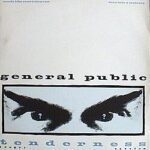
 There’s a certain sweetness to “Tenderness” by General Public that seems to defy time. It’s a song born from the ashes of post-punk and the chaos of the early 1980s, yet it carries a softness—a vulnerability—that feels utterly timeless. Released in 1984, the track was a standout from All the Rage, the band’s debut album, and quickly became their signature tune. For a band that emerged from the shadow of The English Beat, “Tenderness” wasn’t just a pop song; it was a statement of optimism, a bridge between ska-punk energy and soul-infused sincerity.
It’s ironic that General Public—formed by Dave Wakeling and Ranking Roger after The Beat disbanded—would achieve their most enduring legacy with a song about gentleness and emotional honesty. The ska movement had always been about rhythm and rebellion, but “Tenderness” shifted the focus inward. Instead of shouting about politics or dancing away heartbreak, Wakeling and Roger made vulnerability sound cool.
From the opening keyboard riff to the punchy horn stabs that punctuate the chorus, “Tenderness” feels like a burst of sunlight breaking through gray English skies. It’s bright, bouncy, and unashamedly upbeat—but it’s also layered with emotional texture. Beneath the cheerfulness lies a plea for human connection, the kind that transcends irony, cynicism, or post-punk detachment.
The Beat Behind the Beat
By the time “Tenderness” hit the airwaves, both Wakeling and Ranking Roger were veterans of the British ska revival. The Beat had fused punk’s urgency with reggae’s groove, giving us classics like “Mirror in the Bathroom” and “Save It for Later.” But General Public was something different—less political, more soulful, and infused with a kind of emotional earnestness that felt almost radical for the time.
The early 1980s were full of big production, big egos, and glossy MTV-ready acts. Yet here came General Public, armed with jangly guitars, joyous horns, and an infectious sense of hope. “Tenderness” arrived in the same musical universe as Tears for Fears’ Songs from the Big Chair and The Cure’s The Head on the Door, but it occupied its own special corner—one where love and kindness were revolutionary acts.
Wakeling’s voice is the glue that holds it all together. His delivery strikes that perfect balance between playful and heartfelt, between pop sensibility and soulful yearning. When he sings, “Tenderness, where is the tenderness?” it’s not just a catchy hook—it’s a genuine question. In a decade obsessed with image and artifice, “Tenderness” was refreshingly sincere.
Lyrics That Whisper and Shout
At its core, “Tenderness” is about emotional hunger. It’s about wanting more than surface-level affection—craving something real and human in a world that often feels mechanical. The lyrics, deceptively simple on first listen, carry that duality of optimism and melancholy:
“I don’t know where I am / But I know I don’t like it.”
Right from the start, Wakeling paints a picture of emotional dislocation—a kind of existential confusion masked by a catchy beat. He’s lost, but not defeated. He’s searching, but he’s still dancing.
The chorus—“Tenderness, where is the tenderness?”—is pure pop gold, but it’s also quietly profound. It’s an anthem for the emotionally honest, for those who crave authenticity in their relationships and their lives. It’s the kind of hook that’s both catchy and cathartic, and that’s the real genius of the song: it makes introspection sound like celebration.
Later lines like “Whatcha gonna do when the love runs dry?” elevate the song from simple love tune to something deeper—a reflection on impermanence, on the fragility of affection. It’s almost philosophical, but wrapped in an irresistibly danceable groove.
The Sound of Joy and Vulnerability
Musically, “Tenderness” is a masterclass in pop arrangement. The percussion pops with crisp, syncopated beats that owe as much to ska and reggae as to 1960s Motown. The bassline walks with confidence, giving the song a steady pulse that keeps it grounded even as the horns soar. And those horns—they don’t just fill the mix; they celebrate it. They act like punctuation marks, exclamation points on the song’s bursts of emotion.
What’s remarkable is how light it all feels. Despite the weight of its lyrical themes, “Tenderness” never gets bogged down in sadness or self-pity. The production, handled by Andy “Stoker” Growcott, has a warmth and clarity that still sounds fresh today. It’s polished without being sterile—a rare feat in mid-’80s pop.
And then there’s Ranking Roger. Though his role in “Tenderness” is more subtle than in The Beat’s work, his presence adds texture and spirit. His occasional ad-libs and rhythmic vocal flourishes bring the song to life, injecting it with that unmistakable energy that made The Beat so dynamic.
It’s this combination of Wakeling’s melodic sensitivity and Roger’s rhythmic charisma that makes “Tenderness” such a unique creation. It’s a pop song that grooves like ska, shimmers like new wave, and feels like soul.
A Song That Outlived Its Era
While “Tenderness” was a moderate hit on release—especially in the U.S.—its legacy has only grown with time. It’s one of those songs that keeps finding new audiences through film, television, and cultural osmosis. You’ve heard it in Clueless, Sixteen Candles, Weird Science, and even Amy. Every time it shows up, it somehow feels right, no matter the context.
That’s the beauty of “Tenderness”—it’s universal. Its upbeat melody can soundtrack a teen romance just as easily as an adult’s nostalgia. It’s the kind of song that bridges generations without trying to. It’s not ironic, it’s not edgy, and it’s not self-consciously cool—it’s just good.
In a way, it became the song that defined General Public’s short-lived career. While the band would release other solid tracks like “Never You Done That” and a spirited cover of “I’ll Take You There,” nothing else quite captured the same magic. “Tenderness” became both a blessing and a benchmark.
Why It Endures
There’s a reason people still light up when they hear those first few notes. “Tenderness” taps into something primal and positive in human nature. It reminds us that vulnerability isn’t weakness—it’s strength. It encourages openness and empathy at a time when pop music often glorified aloofness or detachment.
The message feels more relevant than ever today. In a world that often rewards cynicism, “Tenderness” stands as a gentle act of defiance. Its very premise—that we should be kind, that we should seek connection—feels radical. And yet, it’s delivered with such charm and simplicity that you almost miss how profound it really is.
Musically, it also predicted much of what would come in the years after its release. Bands like No Doubt, The Mighty Mighty Bosstones, and even Sublime would fuse ska and pop in similar ways, often with a similar sense of emotional honesty beneath the bounce. You can hear echoes of “Tenderness” in the alternative radio hits of the 1990s and the indie revival of the 2000s.
And perhaps most importantly, it still feels good. Play it today and watch how it transforms a room. It’s hard not to smile, to sway, to remember a simpler time when pop songs were built to lift you up without irony or agenda.
The Bittersweet Legacy
The story of General Public is short but fascinating. After All the Rage, the band would release only one more studio album before splitting. Ranking Roger returned to The Beat in various revivals, while Dave Wakeling eventually brought the sound to America, touring under The English Beat name.
Yet “Tenderness” remains their enduring gift to pop culture. It’s a reminder of what can happen when talented musicians take the raw energy of punk and channel it into something hopeful. It’s a song that dares to believe in love, compassion, and—yes—tenderness.
There’s a certain poetic justice to the fact that “Tenderness” has outlasted so many of its slicker, more cynical contemporaries. While many ’80s hits sound dated today, this one feels as alive and sincere as it did four decades ago. That’s the true mark of a classic—it’s not just a song you remember, it’s a song you feel.
A Gentle Revolution
Looking back, “Tenderness” feels like the kind of song the world could use more of. It’s not about bravado or heartbreak—it’s about the small, everyday kindnesses that make life bearable. It’s the sound of two musicians from a politically charged ska band learning to write about love without losing their edge.
It also captures that fleeting moment in the mid-’80s when pop music still had room for optimism. Before irony took over, before grunge and digital detachment, “Tenderness” dared to be sincere. And sincerity, as it turns out, is timeless.
So the next time those horns hit and Wakeling’s voice asks, “Where is the tenderness?”, maybe take it as more than a lyric. Take it as a reminder—a little nudge from the past urging us to keep caring, to keep connecting, to keep dancing through the confusion.
Because “Tenderness” isn’t just a song about emotion. It is emotion—compressed into three and a half minutes of warmth, rhythm, and grace. It’s the sound of people trying to be good to one another, and in that sense, it’s more than music. It’s a philosophy set to a beat.
Final Thought:
“Tenderness” by General Public isn’t just one of the best songs of the 1980s—it’s one of the most heartfelt pop songs ever written. It’s catchy, clever, and profoundly human. Nearly forty years later, it still radiates joy and empathy in a world that desperately needs both.
This post has already been read 3977 times!