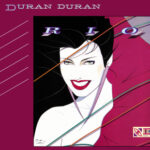
 Duran Duran’s “Rio” is a song that perfectly captures the glittering energy and sophisticated glamour of the early 1980s, a track that embodies the band’s signature blend of new wave, synth-pop, and sleek pop-rock sensibilities. Released in 1982 as the title track of their second album, “Rio” helped cement Duran Duran as one of the defining acts of the decade, merging infectious melodies with cinematic production and a sense of style that was as much visual as it was musical. The song’s opening synthesizer lines, coupled with a propulsive bass rhythm and shimmering guitar accents, immediately establish an atmosphere of exhilaration and escapism, inviting the listener into a world that is as glamorous and vibrant as the band itself. With its catchy hooks, polished arrangements, and lyrical evocativeness, “Rio” is an exemplar of how music in the 1980s could be both pop-oriented and artistically ambitious, balancing commercial appeal with a sophisticated sonic palette.
From the very first bars, “Rio” conveys a sense of motion and excitement. The percussion, tight and crisp, propels the song forward, while the bass line provides a rhythmic anchor that is both danceable and melodic. The synthesizers, bright and fluid, create a sparkling atmosphere, evoking images of sun-drenched beaches, tropical nights, and high-energy parties. Andy Taylor’s guitar adds texture and punch, punctuating the arrangement with riffs that complement rather than overshadow the rhythm section. This layered instrumentation is emblematic of Duran Duran’s approach: every element contributes to a larger sonic picture, carefully arranged to create a sense of cohesion and momentum. The song’s production, handled with precision, combines clarity and gloss, reflecting the band’s attention to detail and their commitment to creating music that is as sonically engaging as it is visually evocative.
Lyrically, “Rio” functions as both narrative and impressionistic portrait, blending vivid imagery with romanticized storytelling. The song describes a woman named Rio, whose allure is magnetic, intoxicating, and unattainable, and whose presence transforms the environment around her. Lines such as “Her name is Rio and she dances on the sand” immediately conjure visual and emotional associations, painting a picture of glamour, freedom, and seduction. The lyrics are not merely descriptive; they convey a sense of narrative motion, following the impact Rio has on the singer and the atmosphere she inhabits. The song balances personal narrative with broader imagery, capturing the allure of exotic locales and the thrill of desire. Its combination of specificity and universality allows listeners to project their own experiences and fantasies onto the track, making it both relatable and aspirational.
Simon Le Bon’s vocal performance is central to the song’s impact. His delivery is both dramatic and restrained, balancing clarity with subtle inflection, and moving effortlessly between intimate passages and more extroverted, expressive moments. Le Bon’s phrasing emphasizes key lyrical moments, drawing attention to both narrative and mood, while his tone conveys excitement, admiration, and a touch of longing. The backing vocals, harmonized and layered, add depth and richness, enhancing the sense of communal energy and celebration. There is a performative element to Le Bon’s voice, a sense of theatricality that complements the visual and stylistic aspects of the band, reinforcing Duran Duran’s reputation as a group that fused music, fashion, and persona into a cohesive artistic statement.
“Rio” also exemplifies Duran Duran’s mastery of the danceable yet musically sophisticated pop song. Its rhythm section is tight and propulsive, ideal for both radio play and the burgeoning nightclub scene of the early 1980s. The interplay between bass, drums, and percussion is intricate without being ostentatious, creating a groove that is infectious and enduring. The synthesizer lines add both harmonic and melodic interest, weaving in and out of the rhythm section to maintain forward momentum and texture. Guitar fills and melodic embellishments punctuate the arrangement, providing contrast and highlighting the song’s dynamic structure. The careful balance between groove, melody, and harmonic complexity is a testament to the band’s musical sophistication and their ability to craft songs that are engaging on multiple levels.
The song’s production plays a critical role in shaping its distinctive sound. Recorded with meticulous attention to detail, “Rio” demonstrates the band’s embrace of studio technology to enhance both clarity and atmosphere. The use of layered synthesizers, precise drum programming, and carefully arranged backing vocals creates a polished, shimmering sound that feels both expansive and intimate. Each instrument occupies a distinct sonic space, allowing listeners to appreciate the intricacies of the arrangement while remaining captivated by the song’s overall energy. This balance of detail and accessibility is a hallmark of Duran Duran’s music, ensuring that “Rio” can function both as a pop hit and a rich musical experience that rewards careful listening.
Visually, “Rio” is inseparable from the band’s image and the era’s emphasis on music videos as cultural events. The song’s iconic video, featuring the band on a yacht in sparkling waters, with vibrant clothing and dynamic camera work, reinforces the themes of glamour, freedom, and desirability present in the lyrics. The visual narrative complements the sonic one, creating a holistic sensory experience that elevates the song beyond the auditory realm. This integration of music and imagery was revolutionary for its time, demonstrating Duran Duran’s understanding of the growing importance of visual media in shaping popular culture. The song’s video became emblematic of the band’s style and the 1980s aesthetic, ensuring that “Rio” would remain a cultural touchstone for years to come.
Musically, “Rio” also reflects the band’s synthesis of influences, merging elements of funk, disco, and new wave. The rhythmic drive owes much to funk traditions, with bass lines and drum patterns that are tight and syncopated, while the melodic sensibilities and use of synthesizers draw from disco and electronic music. Le Bon’s vocal delivery, meanwhile, incorporates a new wave sensibility, blending pop accessibility with an edge of sophistication and theatricality. This hybrid approach is part of what gives “Rio” its enduring appeal, as it transcends simple genre categorization while remaining unmistakably of its time. Duran Duran’s ability to fuse these diverse influences into a cohesive and compelling song demonstrates both musical intelligence and creative vision.
The song’s chorus, with its repeated declaration of “Her name is Rio,” functions as both a musical and thematic anchor. Its repetition and melodic catchiness create a sense of familiarity and excitement, allowing listeners to engage both physically and emotionally. The chorus reinforces the narrative while serving as a hook that ensures the song’s memorability and commercial viability. The structure of “Rio”—with its interplay between verses, pre-choruses, and chorus—demonstrates the band’s command of pop songcraft, balancing repetition and variation to maintain interest and energy throughout. Each element of the arrangement serves the song’s overall impact, from instrumentation to vocal delivery to production choices.
Beyond its immediate appeal, “Rio” captures a broader sense of escapism that resonated with audiences in the early 1980s. The lyrics and production evoke a world of elegance, beauty, and liberation, providing a musical escape from the mundane or challenging aspects of daily life. This sense of fantasy is enhanced by the band’s image, the visual aesthetics of the music video, and the lush production values of the recording. Yet beneath the glamour, there is a sense of sophistication and subtlety, a recognition that this world is aspirational rather than literal, inviting listeners to participate in a shared experience of style, rhythm, and narrative imagination.
The influence of “Rio” on popular music and culture is significant. Its combination of accessible melody, danceable groove, and visual flair helped define the sound and style of the early MTV era, influencing countless artists in pop, new wave, and dance music. The song’s integration of rhythm, harmony, and visual narrative set a precedent for future music video-driven pop hits, demonstrating how a song could function as both a musical and cultural event. Duran Duran’s ability to craft music that was both commercially successful and artistically sophisticated ensured that “Rio” would endure as a model of 1980s pop excellence, inspiring musicians, performers, and fans alike.
Live performances of “Rio” further illustrate its energy and versatility. On stage, the song translates its studio polish into dynamic, engaging experiences, with extended instrumental sections, audience participation, and visual theatrics. The energy of these performances amplifies the celebratory and aspirational aspects of the track, allowing both the band and the audience to inhabit the world of “Rio” fully. The song’s adaptability in live settings, maintaining both musical precision and exuberant showmanship, is a testament to its strong foundational composition and the band’s performance acumen.
Lyrically, “Rio” maintains a balance between specificity and universality, telling a story of desire, admiration, and freedom while leaving room for listener interpretation. The titular Rio becomes both a character and a symbol, representing allure, excitement, and possibility. This dual function allows the song to operate on multiple levels, providing narrative engagement while evoking emotional and imaginative resonance. The interplay between concrete imagery and evocative abstraction contributes to the song’s lasting impact, making it both memorable and richly textured in meaning.
In conclusion, Duran Duran’s “Rio” is a masterful example of 1980s pop artistry, combining infectious rhythm, vivid imagery, sophisticated production, and charismatic performance into a single cohesive experience. Its layered instrumentation, compelling vocals, and thematic richness make it a song that continues to captivate listeners, transcending its era while remaining distinctly of it. “Rio” demonstrates the band’s ability to merge musical sophistication with mass appeal, creating a track that is both a cultural artifact and a living, dynamic musical experience. It captures the exhilaration, glamour, and aspiration of its time while maintaining relevance and energy decades later, solidifying Duran Duran’s place in the pantheon of pop music innovators. The song’s enduring legacy lies in its combination of style, substance, and irresistible energy, inviting listeners to lose themselves in the world it creates, where rhythm, romance, and imagination reign supreme.