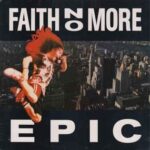
 In 1989, Faith No More released “Epic,” a track that would become their signature song and one of the defining moments of late-80s alternative rock. Part rap, part metal, part funk, and all attitude, “Epic” shattered expectations about what a rock band could be. With its aggressive rhythm, unconventional structure, and Mike Patton’s versatile vocal performance, the song became an anthem for those seeking rebellion, experimentation, and a challenge to the status quo. Decades later, “Epic” remains a milestone in music history, a testament to Faith No More’s audacity and the era’s willingness to blur genres.
The Origins of a Genre-Bending Classic
Faith No More had been active throughout the 1980s, steadily refining a sound that drew from metal, punk, funk, and avant-garde experimentation. By the time their third album, The Real Thing, was released in 1989, the band had already cultivated a reputation for unpredictability and skill. “Epic” emerged from this context as a bold, boundary-pushing single.
The track combines multiple musical elements in a way that feels effortless yet calculated. The opening bassline, simple yet hypnotic, sets a groove before the full band launches into a high-energy assault. Guitarist Jim Martin provides jagged, metal-inspired riffs, while Roddy Bottum’s keyboards inject an unexpected melodic and atmospheric layer. Drummer Mike Bordin anchors the chaos with precision, ensuring that each tempo shift lands with clarity.
This fusion of styles—rap-influenced verses, funk-laced rhythms, and metal aggression—was unusual for its time. The late 1980s were dominated by either hair metal excess or alternative underground movements, and few acts dared to combine the two. Faith No More did more than combine them—they made it sound cohesive, dynamic, and explosive.
Mike Patton: The Voice of Chaos
At the center of “Epic” is Mike Patton, whose vocals are nothing short of revolutionary. Patton’s delivery is a study in versatility: he raps with rhythmic precision during the verses, delivers aggressive shouts in the choruses, and channels soulful intensity in moments of melodic reflection. Few vocalists at the time could shift so effortlessly between styles, and it is this adaptability that makes “Epic” feel unpredictable and alive.
Patton’s lyrics, delivered with both urgency and playfulness, add to the song’s eclectic appeal. Lines such as “You want it all but you can’t have it” capture a sense of frustration and desire, blending personal commentary with broader social observation. Unlike typical rock lyrics that focus on romance or rebellion, Patton’s words suggest existential tension—a confrontation with ambition, ego, and the limits of control.
This combination of lyrical ambiguity and vocal versatility allows the song to resonate across multiple interpretations. Listeners can hear “Epic” as a declaration of personal empowerment, a critique of excess, or simply a wild, head-banging ride.
Musical Structure and Innovation
Part of what makes “Epic” enduring is its structural innovation. The song defies traditional verse-chorus conventions. Instead, it moves fluidly between contrasting sections: the tight, groove-driven verses; the explosive, almost chaotic choruses; and the instrumental interludes that allow each band member to shine.
Bassist Billy Gould’s groove anchors the song throughout, giving it a funk-like pulse even during its heaviest moments. Guitar riffs oscillate between sharp aggression and melodic flourishes, often shifting the song’s energy in unexpected ways. Bottum’s keyboards provide a subtle but crucial counterpoint, offering texture that prevents the arrangement from feeling monotonous. Meanwhile, Bordin’s drumming is precise but never rigid, accommodating tempo shifts while driving momentum forward.
The instrumental middle section is particularly notable. Martin’s guitar solo bursts through the rhythm with feral energy, while the band maintains cohesion despite the chaotic sonic landscape. This interplay between precision and controlled chaos is one of the reasons “Epic” feels as dynamic today as it did on release.
Reception and Cultural Impact
“Epic” was an immediate standout upon release. It achieved mainstream success, receiving heavy airplay on MTV and rock radio stations worldwide. Its music video, featuring surreal imagery and rapid cuts, complemented the song’s unpredictable energy and helped cement Faith No More’s image as innovators rather than imitators.
The song’s success introduced a broader audience to the possibilities of genre hybridization. By blending rap, metal, funk, and alternative sensibilities, Faith No More challenged the rigid categorizations of popular music. Bands in the 1990s and beyond, from Rage Against the Machine to Korn and Red Hot Chili Peppers, would follow in their footsteps, citing the band as a key influence.
Critically, “Epic” is often credited with opening doors for alternative rock in mainstream music. At a time when radio playlists were heavily segmented, a song that combined disparate styles while remaining catchy and compelling was groundbreaking. It demonstrated that risk-taking could be commercially viable—a lesson that many bands would carry into the 1990s.
The Live Experience
Faith No More’s live performances of “Epic” are where the song truly comes alive. The band’s energy and precision elevate the track, and Patton’s theatricality turns each performance into an event. He manipulates the song’s dynamics with dramatic flair, stretching vocal lines, improvising, and engaging with the audience.
Instrumentally, the band often expands sections for solos or crowd interaction, adding new dimensions to the track in a live context. The song’s shifting tempos and textures translate well to the stage, creating moments of tension and release that captivate audiences. Fans respond enthusiastically, often singing along to the verses and shouting the choruses, cementing “Epic” as a communal rock anthem.
Legacy and Enduring Appeal
More than three decades after its release, “Epic” remains a cornerstone of Faith No More’s identity and a benchmark for genre-defying rock music. It is cited repeatedly as an influence by musicians across punk, metal, funk, and alternative rock. Its audacity, technical precision, and vocal innovation continue to inspire new generations of artists and listeners alike.
The song’s legacy is not just about success or innovation—it’s about the sense of liberation it offers. “Epic” encourages listeners to embrace unpredictability, challenge expectations, and celebrate musical complexity without sacrificing visceral energy. It’s a track that still feels fresh, relevant, and exciting, proving that true creativity transcends time and trend.
Conclusion
“Epic” is more than just a hit single—it’s a manifesto. Faith No More combined funk, rap, metal, and alternative rock into a cohesive explosion of sound, anchored by Mike Patton’s extraordinary vocal versatility. Its structure, instrumentation, and lyrical ambiguity set it apart from the rock music of its era, while its energy and immediacy ensure it remains compelling today.
The song exemplifies Faith No More’s fearless approach to music: unafraid to challenge conventions, willing to blend styles, and confident in their artistic vision. “Epic” is a track that defined an era, influenced countless artists, and continues to thrill listeners decades after its debut. It remains one of the most audacious, exhilarating, and unforgettable songs in the history of alternative rock.