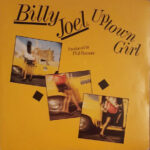
 Billy Joel’s “Uptown Girl” is one of those pop songs that immediately captures the imagination, transporting listeners to a world of charm, yearning, and vibrant energy. Released in 1983 on the album An Innocent Man, the song quickly became a defining moment in Joel’s career, showcasing his flair for storytelling, his knack for catchy melodies, and his ability to evoke nostalgia while remaining entirely contemporary. From the first upbeat piano chords, “Uptown Girl” announces itself as a joyous, infectious romp, a song that blends doo-wop influences, pop sensibilities, and a theatrical sense of fun into something irresistible. Its appeal lies not just in its melody but in the story it tells—a story of aspiration, admiration, and the playful tension between social worlds.
Musically, the song is a vibrant homage to the 1960s pop and doo-wop era. Joel’s piano opens the track with a bright, staccato rhythm that immediately sets a playful tone, while the bass and percussion provide a buoyant foundation that keeps the song moving forward with a danceable momentum. The arrangement is crisp and clean, yet rich with texture: layered backing vocals echo the doo-wop stylings of groups like Frankie Valli & The Four Seasons, while occasional bursts of horns add punctuation to the melody, emphasizing the song’s jubilant energy. Joel’s musicianship shines in how he balances simplicity with sophistication, creating a track that feels effortless while revealing subtle complexities upon repeated listens. The production, handled with precision, gives each instrument space to breathe, highlighting the interplay between piano, percussion, and vocals, and creating a sonic environment that is both nostalgic and immediately engaging.
At the heart of “Uptown Girl” is its narrative, a story of infatuation, aspiration, and social contrast. Joel paints a picture of a young man enamored with a woman from a different world, an “uptown girl” who lives a life of privilege and refinement, while he is rooted in a more modest, working-class reality. The lyrics—“Uptown girl, she’s been living in her uptown world, I bet she never had a backstreet guy”—are delivered with a sense of playful longing, capturing the thrill and challenge of pursuing someone seemingly out of reach. Joel’s storytelling is both specific and universal: while the scenario is particular, the emotions it evokes—desire, admiration, insecurity, hope—are instantly recognizable, allowing listeners to see themselves in the story. The song celebrates the thrill of romance while acknowledging the barriers and contrasts that make such attractions compelling and dramatic.
Billy Joel’s vocal performance elevates the song further, infusing it with charm, urgency, and emotion. His voice is confident yet playful, capable of conveying both yearning and admiration without tipping into melodrama. The phrasing of each line, the slight lifts and inflections, and the interplay between lead and backing vocals all contribute to the song’s narrative drive. Joel’s delivery captures the essence of the song’s protagonist: earnest, hopeful, and slightly awed by the object of his affection. There’s a theatricality to the performance, a sense that Joel is not just singing a story but inhabiting it, inviting the listener to experience the excitement, tension, and joy alongside him. The combination of his voice, the upbeat instrumentation, and the narrative content ensures that “Uptown Girl” resonates on both emotional and musical levels.
The song’s structure contributes significantly to its impact. It opens with an immediate hook, the piano riff that sets the rhythm and tone, and it never loses momentum. The verses establish the story, the pre-chorus builds anticipation, and the chorus delivers an unforgettable payoff, with its sing-along quality and harmonic richness. Joel’s attention to pacing and dynamics ensures that each section flows naturally into the next, maintaining listener engagement throughout. The backing vocals, particularly in the chorus, amplify the sense of community and energy, giving the song a celebratory feel that reinforces the joy and excitement of youthful infatuation. It is a masterclass in pop songwriting: memorable, emotionally resonant, and perfectly structured for maximum effect.
“Uptown Girl” is also notable for the way it reflects and pays tribute to musical history. The song’s doo-wop influences, reminiscent of the Four Seasons and other 1960s vocal groups, showcase Joel’s deep appreciation for the music that shaped his artistic sensibilities. Yet he updates the style with 1980s production values, energetic piano work, and a contemporary pop sensibility, creating a bridge between eras. This fusion of retro and modern elements gives the song a timeless quality: it feels both familiar and fresh, rooted in musical tradition while speaking directly to listeners of its own time. Joel’s ability to honor musical predecessors while crafting a song entirely his own demonstrates his skill as both a songwriter and an interpreter of musical heritage.
The cultural impact of “Uptown Girl” cannot be overstated. Upon its release, the song quickly became a global hit, topping charts and solidifying Billy Joel’s status as one of the premier pop artists of his generation. Its catchy melody, relatable narrative, and vibrant energy made it a favorite for radio play, parties, and personal playlists alike. Beyond commercial success, the song resonated with audiences because of its charm, storytelling, and the sense of optimism it embodies. At a time when pop music often embraced either sophistication or raw emotionality, “Uptown Girl” managed to combine both, offering a song that is polished, playful, and emotionally engaging all at once.
The music video for “Uptown Girl” further enhanced its popularity and charm. Featuring Billy Joel alongside supermodel Christie Brinkley, the video brought the song’s narrative to life with humor, charisma, and visual storytelling. The playful chase, the contrast between Joel’s more modest appearance and Brinkley’s elegance, and the overall lightheartedness of the visuals captured the essence of the song perfectly. In the early 1980s, music videos were becoming increasingly important for shaping public perception and extending a song’s reach, and “Uptown Girl” exemplifies how the medium could complement and elevate the music itself. The video added a visual dimension to the story, enhancing the audience’s connection to the song and cementing its place in pop culture.
Live performances of “Uptown Girl” reveal the song’s infectious energy in another dimension. Joel’s piano-driven performances bring the audience into the story, and his interactions with the band, the use of backing vocals, and the energy of the live arrangement amplify the excitement and charm of the track. Concertgoers can feel the narrative, almost participating in the chase and the tension of the “uptown girl” dynamic. The song’s rhythmic drive and sing-along quality make it a highlight in Joel’s live repertoire, demonstrating its lasting appeal and the joy it brings to audiences of all ages. Its adaptability to live performance, with room for improvisation and audience engagement, underscores its strength as a pop classic.
The song’s appeal also lies in its universality. The theme of admiration for someone seemingly out of one’s league, of bridging social divides, and of pursuing love despite challenges resonates across generations. “Uptown Girl” captures a playful tension between aspiration and humility, desire and admiration, that is both specific in its narrative and universal in its emotional impact. The song’s story is accessible yet engaging, its characters recognizable yet idealized, and its emotions immediately relatable. This combination of specificity and universality is part of what allows “Uptown Girl” to endure as a classic, remaining relevant and beloved decades after its initial release.
From a songwriting perspective, “Uptown Girl” demonstrates Billy Joel’s mastery of melody, rhythm, and lyrical storytelling. Every element—the piano riff, the bassline, the percussion, the backing vocals, and the lyrical phrasing—works in concert to create a cohesive, compelling song. Joel’s sense of timing, dynamic shifts, and melodic hooks ensure that the song is engaging from start to finish, while the narrative content keeps listeners emotionally invested. The song is a perfect example of pop craftsmanship, where technical skill, emotional resonance, and accessibility combine to create a work that feels effortless, joyous, and enduring.
In addition to its musical and lyrical strengths, “Uptown Girl” carries a sense of optimism and fun that is rare in pop music. Its upbeat tempo, bright instrumentation, and lighthearted narrative create a song that feels celebratory, almost cinematic in its storytelling. Listeners are invited into a world of playful romance, of ambition and admiration, of charm and social contrast, and they leave the experience uplifted. The track embodies a sense of joy and exuberance that transcends the specifics of its narrative, allowing it to connect with audiences on a broader emotional level.
Ultimately, “Uptown Girl” endures because it is a song that combines craftsmanship, storytelling, and emotional resonance in a way that few pop songs achieve. It is meticulously constructed yet effortlessly enjoyable, playful yet emotionally authentic, rooted in musical tradition yet fully contemporary. Billy Joel’s performance, songwriting, and production sensibility ensure that the song is timeless, capable of delighting listeners decades after its original release. It is a song that captures the excitement of youthful infatuation, the charm of aspiration, and the joy of music itself.
“Uptown Girl” is more than a pop hit—it is a celebration of romance, energy, and the art of storytelling through music. It showcases Billy Joel’s ability to craft songs that are both entertaining and emotionally resonant, songs that combine melodic invention with lyrical wit and narrative depth. Its vibrant arrangement, memorable hooks, and compelling narrative make it a classic that continues to resonate with audiences around the world. The song remains a shining example of Joel’s artistry, a testament to his skill as a songwriter and performer, and a joyful reminder of the enduring power of pop music to captivate, inspire, and delight.
Decades after its release, “Uptown Girl” continues to charm new generations of listeners, maintaining its relevance and popularity through radio play, live performances, and cultural references. Its blend of narrative, musicality, and energy ensures that it will remain a beloved classic, a song that captures the universal thrill of admiration and the playful tension of romantic pursuit. Billy Joel created not just a hit, but a song with lasting emotional resonance, a track that is as joyous and captivating today as it was when first released. “Uptown Girl” stands as a testament to the timeless appeal of well-crafted pop music, a song that entertains, engages, and endures, proving that some stories, some melodies, and some charms are simply timeless.