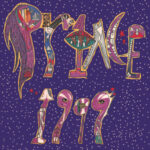
 Prince’s “1999” is a track that encapsulates the essence of his artistic genius: fearless, futuristic, and irresistibly infectious. Released in 1982 as the title track of his fifth studio album, “1999” represents a pivotal moment in Prince’s career, blending funk, rock, pop, and synth-driven innovation into a song that is as celebratory as it is prescient. Its soundscape, lyrics, and energy reflect Prince’s unparalleled ability to combine social commentary, personal expression, and pure musical thrill into a single cohesive experience. The song is an exploration of joy and recklessness in the face of uncertainty, a sonic celebration of living in the moment while acknowledging the unpredictability of the world. Its opening notes, delivered on a Linn LM-1 drum machine, immediately signal a departure from traditional structures, pulling listeners into a futuristic party that feels both playful and urgent.
From the outset, “1999” establishes its distinctive groove. The drum machine, programmed with precision, creates a pulsating rhythm that is mechanical yet deeply human in its effect, a hallmark of Prince’s early experimentation with electronic instrumentation. Layered over this foundation are synthesizer lines that oscillate between playful melodies and dark undertones, creating a sense of tension and anticipation. Prince’s vocal delivery is bold and charismatic, moving seamlessly between spoken word, falsetto flourishes, and rhythmic chant-like verses. This blending of vocal styles mirrors the eclectic instrumentation, producing a sound that is simultaneously polished and raw, futuristic and timeless. The song immediately immerses the listener in a world that is celebratory yet tinged with existential reflection, a duality that is central to its enduring appeal.
Lyrically, “1999” captures the zeitgeist of the early 1980s, a period marked by Cold War anxieties, nuclear fears, and social change, while also offering a universal message about seizing the moment. Lines like “Tonight we’re gonna party like it’s 1999” combine immediacy with a sense of apocalyptic awareness, reflecting a culture simultaneously fascinated by and fearful of the future. Prince’s lyrics are deceptively simple, yet they carry layers of meaning. On one level, the song is a call to let go of inhibitions and embrace celebration; on another, it acknowledges the impermanence of life and the fragility of the human condition. This tension between hedonism and awareness imbues the track with a narrative depth that elevates it above mere dance music. Prince crafts a story that is both personal and societal, inviting listeners to experience joy in spite of—and perhaps because of—the uncertainty that surrounds them.
The instrumentation in “1999” is emblematic of Prince’s genius as a producer and multi-instrumentalist. Synthesizers provide both harmonic support and melodic hooks, while basslines weave intricate patterns that propel the song forward. Guitar riffs punctuate the arrangement with bursts of energy, adding a rock sensibility to the otherwise funk-driven track. Every element is carefully considered, from the layering of percussion to the placement of vocal harmonies, creating a texture that is rich and immersive. The production reflects Prince’s meticulous attention to detail, as well as his willingness to push the boundaries of contemporary pop and funk music. It is this combination of technical sophistication and infectious groove that ensures the song remains fresh and compelling decades after its release.
Prince’s vocal performance is a critical component of the song’s impact. His delivery is confident and exuberant, conveying both the thrill of celebration and the subtle apprehension underlying the lyrics. He moves effortlessly through registers, utilizing falsetto, chest voice, and spoken interjections to convey emotion and maintain momentum. The layered backing vocals add depth and dimension, creating a sense of communal energy that amplifies the song’s party atmosphere. Yet beneath the exuberance lies a tension, a subtle reminder of the stakes implicit in a world on the brink, giving the performance emotional resonance that goes beyond the dance floor. Prince’s ability to inhabit multiple vocal personas simultaneously—playful, seductive, urgent—demonstrates his mastery of vocal expression and his capacity to transform a song into a multidimensional experience.
“1999” also exemplifies Prince’s skill in balancing accessibility with experimentation. The song’s infectious groove, memorable chorus, and danceable rhythm make it immediately appealing to a broad audience, while the complex arrangement, electronic textures, and nuanced vocal performance reward repeated listening and careful analysis. Prince was never content to produce music that conformed to expectations; he constantly sought to innovate, to challenge conventions, and to redefine the possibilities of pop and funk music. “1999” reflects this ethos perfectly, merging popular appeal with avant-garde sensibilities, creating a track that is both instantly enjoyable and endlessly fascinating.
The cultural context of “1999” enhances its significance. Released during a period of geopolitical tension and technological optimism, the song captures a collective anxiety about the future while offering a vision of escapism through music and celebration. Prince’s lyrics speak to a desire to live fully in the moment, a theme that resonates across time and place. The song’s popularity at parties, on radio, and in clubs reflects its capacity to unify listeners around a shared experience of joy and defiance, making it a soundtrack not only for the 1980s but for any moment when people seek to reclaim agency in the face of uncertainty. In this sense, “1999” is both of its time and timeless, bridging historical context and universal human experience with remarkable skill.
The song’s structure contributes to its enduring appeal. Its repetitive chorus, punctuated by verses that build tension and release, creates a sense of anticipation and reward. Prince’s use of call-and-response patterns between lead vocals and backing voices enhances the communal feel, drawing listeners into the performance and creating a participatory experience. Instrumental breaks provide space for improvisation and rhythmic variation, keeping the song dynamic and engaging from start to finish. The careful balance between repetition and variation, structure and spontaneity, reflects Prince’s sophisticated understanding of musical form and his ability to craft songs that are both memorable and musically rich.
One of the most striking features of “1999” is its prescience. The song’s reference to the titular year imbued it with a sense of futurism and prophecy, a playful yet pointed nod to the anxieties and hopes associated with the approaching millennium. By imagining a night of uninhibited celebration in the face of impending change, Prince tapped into a cultural consciousness preoccupied with both technological progress and existential uncertainty. The song’s futuristic sound, driven by synthesizers, drum machines, and inventive production techniques, reinforced this theme, creating an audio landscape that felt forward-looking and innovative. “1999” thus operates on multiple levels: as a dance track, as social commentary, and as a reflection of the cultural imagination of its era.
The influence of “1999” on popular music is profound. Its integration of electronic instruments with funk and rock elements paved the way for the synth-driven pop of the 1980s, influencing artists across genres from R&B to new wave to hip-hop. The song’s emphasis on rhythm, texture, and layered vocal arrangements became a blueprint for future productions, showcasing Prince’s visionary approach to music-making. Beyond its technical innovations, the track’s thematic boldness—addressing mortality, celebration, and the human desire for freedom—expanded the lyrical possibilities of pop music, demonstrating that danceable, chart-topping tracks could carry meaningful narratives and social awareness.
Live performances of “1999” further cemented its status as a defining work in Prince’s catalog. On stage, the song took on a larger-than-life quality, with extended instrumental sections, audience participation, and improvisational flair. The energy of the live renditions amplified the celebratory and urgent tone of the song, allowing Prince to connect with audiences directly and viscerally. The song’s ability to evolve in performance, while retaining its core identity, highlights its flexibility and Prince’s skill as a performer, capable of transforming studio recordings into immersive live experiences. Each performance of “1999” became a shared ritual, a moment of communal joy and release that reinforced the song’s enduring cultural significance.
The lyrical content of “1999” is both playful and profound. By juxtaposing themes of hedonism, existential reflection, and communal celebration, Prince creates a narrative that resonates on multiple levels. The listener is invited to dance, to revel, and to consider the fleeting nature of time, all within the same song. Lines that reference potential catastrophe are delivered with humor and bravado, capturing the tension between fear and desire, mortality and joy. This balance of lightness and gravity is a hallmark of Prince’s songwriting, allowing “1999” to function as both entertainment and reflection, a duality that is rare and remarkable in popular music.
The production techniques used in “1999” exemplify Prince’s innovative approach. The use of the Linn LM-1 drum machine provided a precise yet funky foundation, while synthesizers added harmonic richness and melodic color. Layered vocals and backing tracks created a sense of space and depth, producing a sonic experience that was immersive and multidimensional. Prince’s attention to detail in both arrangement and performance ensured that each element served the song’s overall vision, blending groove, melody, and atmosphere into a seamless whole. The production is a key reason the track has endured, as it continues to sound modern and vibrant even decades after its release.
In conclusion, Prince’s “1999” is a masterful fusion of musical innovation, lyrical insight, and emotional energy. It captures the thrill of celebration, the tension of uncertainty, and the exhilaration of living fully in the moment. From its opening drum machine pulse to its layered synths, dynamic vocals, and memorable chorus, the song is a testament to Prince’s genius as a composer, performer, and producer. Its influence spans decades and genres, shaping the sound of pop, funk, R&B, and rock, while its themes of joy, mortality, and human desire remain timeless. “1999” is more than a song—it is a cultural landmark, a celebration of life, and a reflection on the choices, risks, and exhilaration that define the human experience. Prince’s ability to combine infectious energy with depth and foresight ensures that “1999” continues to resonate, inviting listeners to dance, reflect, and embrace the thrill of possibility every time the music starts.