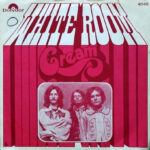
 Cream’s “White Room” is a towering example of 1960s rock ingenuity, a song that combines the raw power of blues, the adventurous spirit of psychedelia, and the virtuosity of its individual members into a singular, unforgettable musical statement. Released in 1968 as part of the album Wheels of Fire, the song represents a peak moment in the short but explosive career of Cream, a band consisting of Eric Clapton, Jack Bruce, and Ginger Baker. “White Room” stands out not only for its intricate musicianship but also for its evocative lyrics, haunting melodies, and dramatic dynamics that make it both compelling and emotionally resonant. It captures the essence of a period in rock music defined by experimentation, technical brilliance, and a willingness to explore darker, more complex emotional landscapes within popular music. The track opens with a distinctive, echoing guitar riff that immediately sets a tone of tension and mystery, drawing listeners into a world that is at once surreal and vividly real.
The composition of “White Room” is a study in contrasts and dynamics. From the start, the song establishes a sense of space and tension with the opening guitar line, an ascending figure that resonates with a sharp, almost staccato precision. This riff, layered over Ginger Baker’s precise, intricate drumming and Jack Bruce’s brooding bass, creates a sense of anticipation and unease. Cream were masters at crafting songs that were simultaneously tight and expansive, and “White Room” exemplifies this approach. The arrangement shifts seamlessly between subdued, atmospheric passages and explosive, high-energy sections, creating a musical journey that mirrors the lyrical and emotional complexity of the track. Clapton’s guitar work throughout the song is both technically brilliant and emotionally expressive, blending precise picking, sustained bends, and feedback-laden tones to convey tension, longing, and release.
Lyrically, “White Room” is a dark, poetic meditation on isolation, emotional turmoil, and existential reflection. Written by Pete Brown in collaboration with Jack Bruce, the lyrics are rich in imagery and layered with symbolic meaning. Phrases like “In the white room with black curtains near the station” evoke a stark visual landscape that is simultaneously literal and metaphorical, suggesting both physical confinement and psychological introspection. The song captures a sense of alienation, desire, and transformation, inviting listeners to navigate the emotional labyrinth alongside the narrator. The imagery is cinematic in quality, painting vivid mental pictures that complement the song’s shifting musical textures. There is a tension between light and dark, openness and confinement, beauty and despair, that mirrors the broader explorations of psychedelia and art rock during this period.
Jack Bruce’s vocal performance is central to the song’s impact. His voice carries both intensity and vulnerability, moving effortlessly between declamatory passages and more reflective, melodic lines. Bruce’s delivery imbues the lyrics with emotional depth, conveying both urgency and introspection. The subtle variations in his phrasing, combined with the dramatic musical shifts, allow the listener to feel the psychological weight of the song. There is an interplay between voice and instrument throughout, with Bruce’s vocals often anticipating or responding to the guitar lines and rhythmic changes, creating a dialogue that heightens the song’s dynamic complexity. This interaction between band members is a hallmark of Cream’s approach, reflecting their deep musical chemistry and shared commitment to pushing the boundaries of rock music.
The instrumentation in “White Room” is both sophisticated and emotionally charged. Eric Clapton’s guitar alternates between shimmering chords, angular riffs, and wailing solos that convey tension, release, and catharsis. The use of reverb and wah-wah effects on the guitar enhances the psychedelic atmosphere, creating a sense of spatial depth and otherworldliness. Jack Bruce’s bass playing is melodic yet powerful, anchoring the harmonic structure while providing counterpoint to the guitar and vocals. Ginger Baker’s drumming is a masterclass in dynamic control, alternating between restrained, precise rhythms and explosive, polyrhythmic passages that drive the song forward. The combination of these elements results in a musical texture that is rich, layered, and constantly evolving, drawing the listener deeper into the song’s emotional landscape.
“White Room” also exemplifies Cream’s ability to balance compositional complexity with immediate emotional impact. The song’s structure is unconventional, moving through multiple sections with varying tempos, keys, and intensities. This sense of unpredictability mirrors the lyrical themes of dislocation, longing, and existential uncertainty, creating a unified artistic statement. Despite the complexity, the song remains highly engaging, with memorable riffs, harmonic hooks, and dynamic contrasts that keep the listener captivated from start to finish. The dramatic build-ups, sudden releases, and contrasting textures are expertly crafted, showcasing Cream’s ability to fuse technical proficiency with emotional expressiveness.
The song’s harmonic and melodic sophistication contributes to its enduring appeal. The use of minor keys, chromatic movement, and modal shifts creates a sense of tension and unease, perfectly suited to the lyrical themes of isolation and introspection. Clapton’s solos often explore tonal ambiguity, moving between blues-inflected lines and more dissonant, experimental phrases that enhance the song’s psychedelic character. Bruce’s vocal melodies are equally inventive, navigating unusual intervals and phrasing that heighten the song’s emotional resonance. The combination of harmonic daring and melodic accessibility ensures that “White Room” is both intellectually stimulating and emotionally immediate, a rare achievement in popular music.
The production of “White Room” further enhances its impact. The song’s use of reverb, echo, and stereo panning creates a sense of space and atmosphere, allowing the listener to feel immersed in the sonic environment. The recording balances clarity and texture, ensuring that each instrument occupies its own space while contributing to the overall tapestry. This meticulous attention to sonic detail reflects Cream’s commitment to artistic excellence and their understanding of the studio as an instrument in its own right. The production techniques employed on “White Room” were innovative for the time and continue to influence musicians and producers seeking to create immersive, emotionally resonant recordings.
“White Room” also demonstrates Cream’s mastery of emotional pacing and dramatic tension. The song alternates between sparse, contemplative verses and full-bodied, explosive choruses, creating a sense of narrative progression and psychological depth. The quiet, tense passages allow the listener to feel the weight of the lyrics and the intricacies of the instrumental interplay, while the climactic sections release accumulated tension in bursts of sound and energy. This careful orchestration of dynamics is central to the song’s power, making it a compelling listening experience that engages both the intellect and the emotions.
The legacy of “White Room” extends far beyond its initial release. It has been recognized as one of Cream’s defining works, influencing generations of rock musicians, guitarists, and songwriters. Clapton’s guitar work, Bruce’s vocal phrasing, and Baker’s drumming have all been studied and emulated, and the song’s fusion of blues, rock, and psychedelia has become a blueprint for adventurous rock composition. Its emotional intensity, musical sophistication, and innovative production continue to inspire artists across genres, demonstrating the enduring relevance of Cream’s vision.
Live performances of “White Room” further highlight its dramatic and musical versatility. Cream often extended the song in concert, allowing for improvisation, interplay between band members, and heightened emotional expression. These live renditions emphasize the song’s dynamic range, with quiet, atmospheric sections giving way to explosive climaxes that showcase the band’s technical skill and emotive power. The ability of “White Room” to evolve in performance while retaining its core identity underscores its strength as a composition and a platform for artistic expression.
The song’s lyrical and musical interplay also contributes to its lasting resonance. The stark imagery of isolation and longing is reinforced by the harmonic tension, dynamic shifts, and instrumental textures, creating a fully immersive emotional experience. Listeners are drawn into a world that is at once alien and intimately human, navigating the complexities of desire, solitude, and self-reflection alongside the music. This synthesis of lyrical depth and musical sophistication ensures that “White Room” remains a compelling and relevant work, capable of engaging listeners across generations.
In conclusion, Cream’s “White Room” is a masterful fusion of musical innovation, lyrical depth, and emotional intensity. Its intricate arrangement, dynamic contrasts, and virtuoso performances combine to create a track that is both intellectually stimulating and viscerally engaging. The song exemplifies the band’s ability to merge blues roots with psychedelic experimentation, producing a sound that is both timeless and of its era. With haunting lyrics, soaring guitar lines, and an unrelenting sense of drama, “White Room” captures the essence of Cream’s artistry: a blend of technical brilliance, emotional authenticity, and fearless exploration. It remains a landmark in the history of rock music, a song that continues to captivate, inspire, and resonate with listeners more than fifty years after its creation. Cream’s ability to balance complexity and accessibility, innovation and immediacy, ensures that “White Room” is not just a song but a profound musical experience, a journey through sound, emotion, and imagination that stands as a testament to the enduring power of rock music at its most daring and expressive.