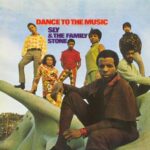
 In 1968, Sly and the Family Stone released “Dance to the Music,” a song that would come to define an era, bridging the worlds of soul, funk, and psychedelic rock while introducing a new model for popular music performance and collective artistry. Written by Sly Stone himself, the track is both a manifesto and a party, a call to the dance floor that simultaneously showcases musical innovation, group cohesion, and cultural significance. With its infectious rhythm, layered instrumentation, and exuberant vocal performances, “Dance to the Music” captures the optimism, creativity, and audacious spirit of its time, offering listeners an immersive experience that is as exciting and revolutionary today as it was at the moment of its release. The song is not only a landmark in the development of funk and soul but also a testament to the power of inclusivity, experimentation, and joyful musical collaboration.
From the opening notes, “Dance to the Music” asserts itself with authority and vitality. The song begins with a bold, brassy fanfare that immediately demands attention, signaling that this is music meant to move both body and mind. The arrangement is exuberant, featuring a tight rhythm section, prominent horns, and syncopated guitar and keyboard lines that intertwine with the vocal melodies. The bass and drums provide a steady, driving groove that anchors the song while allowing the horns and guitars to explore dynamic, playful interjections. This balance between rhythmic foundation and melodic invention is part of what gives the song its enduring appeal, creating a sense of forward motion and joyous unpredictability that encourages listeners to engage both physically and emotionally.
Vocally, the song is a masterclass in collaborative energy. Sly Stone and the Family Stone members each take turns delivering lines, call-and-response sections, and harmonies, emphasizing the collective nature of the performance. The vocals are exuberant, sometimes improvisational, and always expressive, capturing a sense of spontaneity and inclusivity. Lines such as “Get up, dance to the music” are delivered with insistence and joy, drawing listeners directly into the experience. The call-and-response structure encourages participation, breaking down the barrier between performer and audience and fostering a sense of communal engagement that mirrors the band’s ethos of unity and shared creativity. The vocal interplay, combined with the rich instrumental texture, creates a sonic environment that is both lively and deeply cohesive, demonstrating the power of collective artistry.
Lyrically, “Dance to the Music” is deceptively simple, yet its message carries both cultural and musical weight. At its core, the song is an invitation to participate, to let go of inhibitions and embrace the communal joy of music and movement. However, beyond this surface-level directive, the song also functions as a demonstration of musical education and innovation. Sly Stone introduces the band members individually, highlighting their instruments and contributions, effectively turning the song into a lesson in musical appreciation as well as a party track. This structure not only showcases the talents of the individual musicians but also celebrates the collective synergy that defines the Family Stone’s sound. The lyrics, therefore, operate on multiple levels: they are an invitation, a guide, and a celebration, emphasizing both the accessibility and sophistication of the music.
Musically, “Dance to the Music” represents a convergence of styles and genres that was groundbreaking for its time. The track blends elements of soul, funk, and psychedelic rock, creating a hybrid sound that would influence countless artists and define the emerging funk genre. The horn arrangements, with their bright, punchy lines, add excitement and color, while the rhythm section provides a propulsive groove that is irresistible. The guitars, keyboards, and percussion layer texture and complexity over the foundational groove, creating a rich, multi-dimensional sound. This blending of musical elements demonstrates Sly Stone’s vision as a producer and arranger, highlighting his ability to combine technical sophistication with popular accessibility, resulting in a track that is both intellectually engaging and viscerally satisfying.
The structural innovation of “Dance to the Music” is also significant. The song alternates between tightly arranged sections and more freeform improvisational moments, creating a dynamic ebb and flow that keeps listeners engaged. The instrumental breaks allow each musician to shine, while the ensemble sections reinforce the communal energy and rhythmic drive. This balance between individual expression and group cohesion reflects the broader social and cultural ethos of the Family Stone, emphasizing diversity, inclusivity, and mutual respect within a shared creative enterprise. The structure of the song mirrors its thematic content: movement, participation, and the joy of collective expression.
The cultural impact of “Dance to the Music” was immediate and far-reaching. Released at a time of social upheaval and change in the United States, the song’s message of unity, joy, and shared musical experience resonated deeply with audiences. The band itself was groundbreaking, with a racially integrated lineup and a mix of male and female performers, reflecting Sly Stone’s commitment to inclusivity and social progress. The song’s popularity helped to break down barriers in the music industry and popular culture, demonstrating that music could be both commercially successful and socially meaningful. Its success also helped to establish the blueprint for funk as a genre, influencing artists ranging from Parliament-Funkadelic to Prince and beyond.
The song’s instrumentation is particularly noteworthy for its layering and interplay. The horns punctuate the rhythm with sharp, syncopated blasts, while the guitars provide both percussive drive and melodic flourishes. The keyboards, often underappreciated, add harmonic richness and textural variation, while the bass and drums maintain a groove that is both steady and flexible, capable of supporting improvisation and call-and-response sections. This intricate layering creates a sense of depth and dynamism, ensuring that the song remains engaging even after repeated listens. The arrangement highlights each musician’s contribution while maintaining a coherent and energetic whole, exemplifying the Family Stone’s philosophy of collaborative artistry.
The rhythmic foundation of the track is a key factor in its enduring appeal. The drums and bass provide a groove that is both infectious and versatile, allowing for both dancefloor engagement and attentive listening. The syncopation and swing in the rhythm section create tension and release, mirroring the excitement and unpredictability of live performance. This rhythmic sophistication, combined with the melodic and harmonic inventiveness of the other instruments, ensures that “Dance to the Music” functions as both a dance track and a display of musical craftsmanship. Listeners are invited to move with the rhythm while simultaneously appreciating the technical skill and creative ingenuity of the band.
Another element of the song’s brilliance lies in its ability to educate and entertain simultaneously. By introducing band members and highlighting their instruments, Sly Stone creates a musical guide that is playful and engaging. This approach fosters a sense of intimacy and connection between the listener and the band, transforming the act of listening into an interactive experience. It also underscores the egalitarian ethos of the Family Stone, emphasizing that every contribution is valuable and that collective effort creates a greater whole. The song’s educational aspect does not feel didactic; rather, it is seamlessly integrated into the performance, enhancing both enjoyment and appreciation.
The song’s impact extended beyond the recording studio into live performance, where it became a centerpiece of the Family Stone’s concerts. The track’s energy, structure, and call-and-response elements made it ideally suited for the stage, allowing for improvisation, audience participation, and the spontaneous interplay that characterized the band’s live shows. These performances reinforced the song’s communal ethos, creating shared experiences that were both memorable and transformative. The live interpretation of “Dance to the Music” demonstrated that the band’s genius was not confined to the recording but thrived in real-time interaction, further cementing its place in the history of popular music.
Thematically, the song celebrates both movement and musicality. It encourages listeners to dance, participate, and engage with music actively, rather than passively consuming it. This focus on participation reflects the broader social ideals of the band, emphasizing inclusion, shared joy, and collective creativity. The song embodies a philosophy of music as a unifying force, capable of transcending individual differences and bringing people together through rhythm, melody, and shared experience. The track’s success and popularity underscore the enduring appeal of this message, demonstrating that music’s power lies not only in its sonic qualities but also in its capacity to foster connection and community.
“Dance to the Music” also represents a turning point in the evolution of funk and soul. Its combination of energetic groove, horn-driven arrangements, and ensemble vocals influenced countless artists and shaped the sound of late-1960s and 1970s popular music. The song’s infectious energy, innovative production, and emphasis on collective performance set a new standard for musical creativity and commercial appeal, demonstrating that experimentation, inclusivity, and commercial success could coexist harmoniously. Its influence can be heard in the works of later funk pioneers, R&B artists, and even hip-hop musicians who drew inspiration from its rhythm, texture, and communal energy.
Ultimately, “Dance to the Music” endures because it encapsulates the essence of Sly and the Family Stone: innovation, joy, inclusivity, and a fearless embrace of musical and social experimentation. The song is a celebration of rhythm, a showcase of instrumental virtuosity, and a manifesto of collective artistry. Its combination of infectious groove, layered instrumentation, and exuberant vocals ensures that it remains compelling and relevant, offering both immediate enjoyment and lasting appreciation. The track is as much a historical milestone as it is a vibrant, living piece of music that continues to inspire, excite, and connect listeners decades after its release.
The song’s lasting legacy lies in its ability to combine entertainment with innovation. It teaches listeners to appreciate musical complexity while inviting them to participate in a shared, joyous experience. It represents a moment when popular music became a site for cultural experimentation, social commentary, and collective creativity. The track’s influence on subsequent generations of musicians, from funk and soul to hip-hop and pop, is a testament to its originality, energy, and cultural significance. “Dance to the Music” demonstrates that music can be both profoundly fun and artistically sophisticated, capable of moving people physically, emotionally, and intellectually at the same time.
In the final analysis, “Dance to the Music” stands as one of Sly and the Family Stone’s most enduring achievements. It captures the exuberance of an era, the genius of collaborative artistry, and the transformative power of rhythm and song. Through its infectious groove, inventive instrumentation, and spirited vocal performances, the track embodies the band’s philosophy of inclusivity, innovation, and joy. It continues to resonate with listeners not only as a dance track but as a musical landmark that celebrates creativity, community, and the irresistible power of music to bring people together.