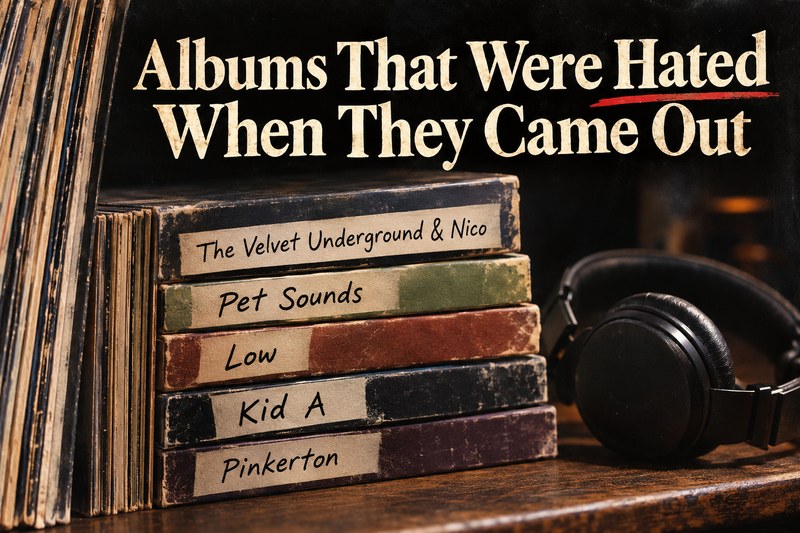
Music history is full of albums that arrived with enormous expectations and left listeners wondering what the hell happened. Some were released by artists who had spent years building a loyal audience, only to suddenly abandon the sound that made them successful. Others were simply too strange, too experimental, too ambitious, or too far ahead of their time for people to understand what they were hearing.
An album that is eventually considered a masterpiece doesn’t always receive that treatment on release day. Sometimes critics dismiss it, fans reject it, record companies panic, and musicians themselves question whether they made the right decision. Years later, those same records are celebrated as groundbreaking works that changed the direction of music.
The reasons for rejection are often fascinating. An artist might move away from guitars, embrace synthesizers, release a record filled with noise, abandon conventional songwriting, or make something so personal that listeners have difficulty connecting with it. Occasionally, an album is hated because it genuinely disappoints. Other times, the backlash has more to do with the expectations surrounding the artist than the quality of the music itself.
Some of these albums eventually experienced dramatic rehabilitation. Others remain divisive but have earned a level of respect that was missing when they first appeared. A few went from being embarrassing career missteps to records that fans now defend passionately.
These are albums that had to survive their own release before history began looking at them differently.
The Velvet Underground – The Velvet Underground & Nico (1967)
 Few albums have experienced a greater difference between their initial commercial impact and their eventual historical importance than The Velvet Underground & Nico. Released in 1967, the album barely made a commercial impression, yet it would eventually become one of the most influential records in the history of rock music.
The Velvet Underground were operating in an entirely different universe from the popular music dominating radio. Their songs dealt with drug addiction, sexual obsession, urban desperation, violence, and the darker corners of life that most pop musicians preferred to avoid. The music itself was equally unconventional, featuring distorted guitars, repetitive arrangements, droning melodies, and a willingness to sound uncomfortable.
Songs such as “Heroin,” “Venus in Furs,” and “I’m Waiting for the Man” were not exactly designed to appeal to the average pop listener. The band’s music could be abrasive, hypnotic, and deliberately unpleasant. Nico’s detached vocals added another layer of strangeness to the album, making it feel more like an underground art project than a conventional rock release.
The album struggled commercially and received mixed reviews. The Velvet Underground were not the kind of band that could compete with the polished pop productions of the era, and their association with Andy Warhol’s art scene did little to make them a mainstream success.
Its reputation grew slowly, largely through musicians who discovered the album and recognized something different. Punk rock, alternative rock, indie music, noise rock, and countless other genres would eventually absorb ideas introduced by the Velvet Underground.
The album became famous for the idea that a small audience could be more important than a large one. The people who loved it were often musicians themselves, and its influence spread far beyond its original sales.
The record that was largely ignored in 1967 became one of the most important albums ever released.
[Listen To Full Album on Youtube]
Bob Dylan – Self Portrait (1970)
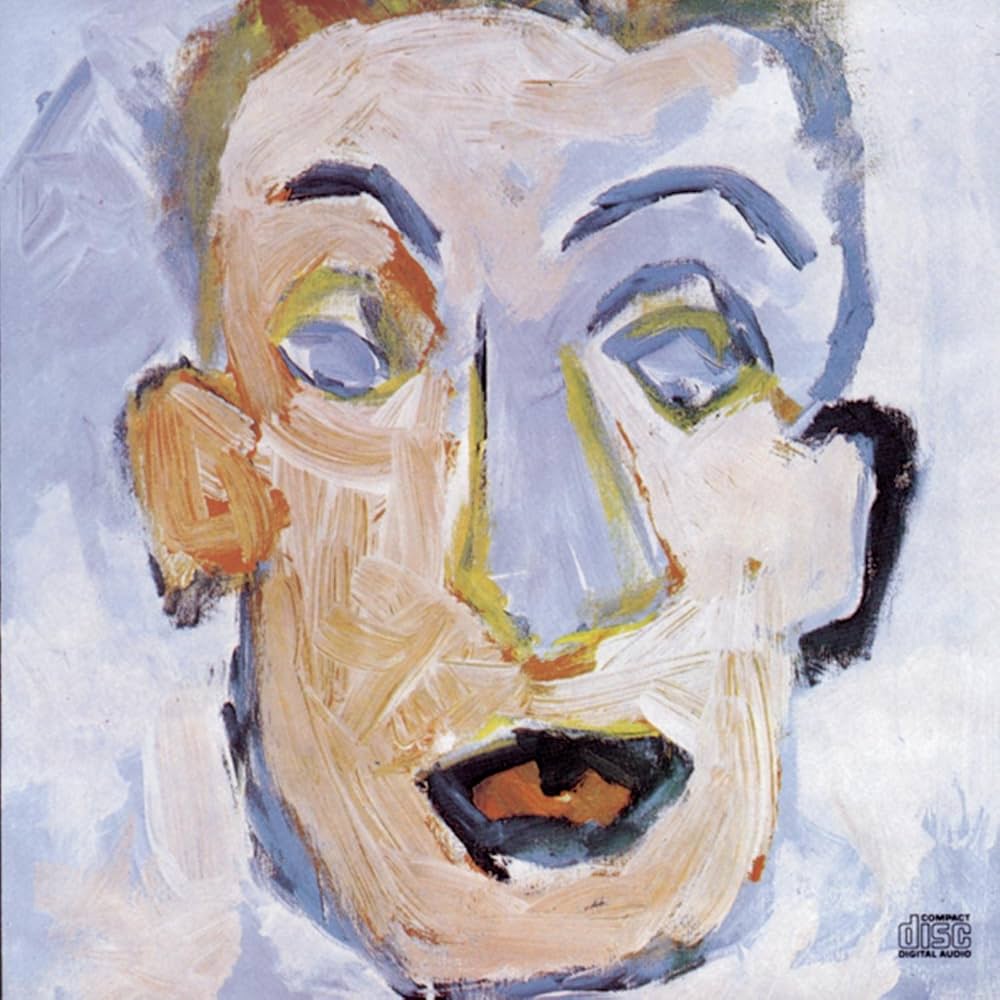 Bob Dylan spent the 1960s becoming one of the most important artists in popular music. His songwriting influenced folk, rock, politics, culture, and the entire idea of what a popular musician could accomplish. By 1970, expectations surrounding a new Dylan album were enormous.
Then he released Self Portrait.
The double album was filled with covers, traditional songs, live recordings, orchestral arrangements, and material that seemed completely disconnected from the Dylan fans wanted. It was a strange, sprawling collection that often sounded as though the artist was deliberately avoiding the expectations placed upon him.
The infamous opening line of a Rolling Stone review, “What is this shit?”, became permanently associated with the record.
Listeners were confused. Why was Dylan releasing an album that felt so unfocused? Why were there so many covers? Why did the production seem so strange? Was he trying to make a statement, or had he simply run out of ideas?
Some believed Dylan was deliberately sabotaging his reputation. Others thought he was tired of being treated as the voice of a generation and wanted to demonstrate that he could release whatever he wanted without explanation.
The album has since received a more complicated reassessment. It remains far from one of Dylan’s most celebrated works, but there are listeners who appreciate its strange mixture of country, traditional music, covers, and loose arrangements. The record also makes more sense when viewed as an artist attempting to escape the enormous expectations that had followed him throughout the previous decade.
Self Portrait is still a messy album, but its original reputation as an entirely worthless disaster has softened considerably.
[Listen to Full Album on Youtube]
The Rolling Stones – Their Satanic Majesties Request (1967)
 The Rolling Stones had spent the first half of the 1960s establishing themselves as the dangerous alternative to the Beatles. Their image was built around blues, rebellion, attitude, and a willingness to embrace the darker side of rock and roll.
In 1967, they suddenly became psychedelic.
Their Satanic Majesties Request featured elaborate studio effects, mellotron, unusual percussion, surreal lyrics, and a colorful psychedelic atmosphere. The album was a dramatic departure from the blues-driven rock that had defined the band.
The timing made the situation even worse. The Beatles had just released Sgt. Pepper’s Lonely Hearts Club Band, and many critics immediately accused the Stones of copying their rivals. The similarities in the psychedelic direction, production techniques, and overall presentation became a major talking point.
Fans who wanted the gritty Rolling Stones were confronted with songs that sounded like they had been created in a psychedelic laboratory. The record lacked the directness and aggression associated with the band’s earlier work, and its experimental approach divided listeners.
The Stones themselves eventually moved away from much of the sound on the album, returning to a more stripped-down blues and rock approach with Beggars Banquet.
Over time, Their Satanic Majesties Request became more appreciated as a fascinating snapshot of 1967. It remains an odd album in the Stones’ catalog, but it is also an interesting example of a band trying to follow the musical revolution happening around them rather than simply repeating its established formula.
It wasn’t the Rolling Stones album people wanted. That may be precisely why it remains interesting.
[Listen to Full Album on Youtube]
David Bowie – Low (1977)
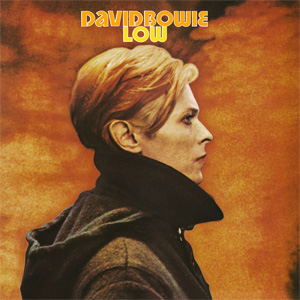 David Bowie had spent years reinventing himself, but Low represented a particularly dramatic change in direction. Following the theatrical glam rock period, Bowie moved into a colder, more experimental sound influenced by electronic music, European art, ambient music, and minimalism.
The album was created during a period of personal upheaval and relocation, with Bowie working alongside Brian Eno and producer Tony Visconti. The resulting record was fragmented, unusual, and sometimes almost completely disconnected from conventional rock songwriting.
The first half consisted of short songs that frequently felt incomplete or deliberately interrupted. The second half featured atmospheric instrumental pieces that emphasized mood, texture, and sound rather than traditional melodies.
For listeners expecting another Bowie album filled with theatrical characters and glam rock hooks, Low was a shock. It sounded as though Bowie had abandoned songwriting entirely in favor of electronic experimentation.
The record was initially met with confusion and mixed reactions. Some critics were unsure how to evaluate it, while fans struggled to understand why Bowie had moved so far away from the sound that had made him famous.
But the album’s influence eventually became enormous. Post-punk musicians, electronic artists, alternative rock bands, and experimental musicians all found inspiration in its fragmented structures, unusual production, and willingness to abandon conventional rock expectations.
What initially appeared to be Bowie turning his back on commercial music became one of the most important albums of his career.
[Listen to Full Album on Youtube]
Lou Reed – Metal Machine Music (1975)
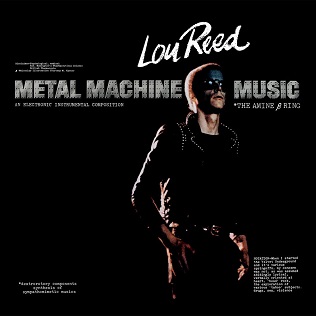 Lou Reed may have made the ultimate album designed to annoy people.
Metal Machine Music consisted almost entirely of feedback, distortion, drones, and layers of guitar noise. There were no conventional songs, no recognizable choruses, no traditional melodies, and no attempt to make the record accessible.
The album was released as a double record and immediately became one of the most controversial releases of Reed’s career. Many listeners believed it was a joke. Others thought he was deliberately trying to frustrate his record company or fulfill a contractual obligation in the most unpleasant way possible.
The music was difficult to listen to, even for people who appreciated experimental rock. It was essentially an extended sonic assault that rejected nearly every expectation associated with a conventional album.
Critics were brutal, and the record became famous for being almost universally unlistenable to casual listeners. Its reputation was so extreme that it became a punchline whenever someone discussed artists who had gone too far with experimentation.
Yet Metal Machine Music eventually became an important reference point for noise music, drone, avant-garde composition, and experimental recording. Musicians who were interested in pushing sound beyond traditional structures recognized the album’s significance.
It remains a difficult record, and nobody needs to pretend otherwise. But it was a deliberate rejection of conventional music, and that rejection eventually became part of its historical importance.
** Editors Note: I honestly believe this is the Worst Album Ever Made]
The Beach Boys – Pet Sounds (1966)
 Today, Pet Sounds is regularly ranked among the greatest albums ever made. When it was released, however, its reception was considerably more complicated.
Brian Wilson wanted to create something more sophisticated than the Beach Boys’ earlier surf music. He was interested in elaborate arrangements, unconventional instruments, studio experimentation, emotional songwriting, and creating a complete musical experience rather than simply recording a collection of pop songs.
The album was filled with unusual sounds, complex vocal arrangements, and songs that explored insecurity, loneliness, romantic uncertainty, and emotional vulnerability.
It was a dramatic departure from the Beach Boys’ established image.
Some fans wanted the cheerful surf music that had made the group popular. Others found Pet Sounds too sophisticated, too melancholy, or too strange. The album also struggled to achieve the same commercial success in the United States as the band’s earlier records.
Brian Wilson had essentially created an album that challenged the audience to look beyond the group’s familiar identity.
The record’s reputation grew enormously in the years that followed. Musicians recognized its extraordinary production, songwriting, and arrangements. The Beatles were heavily influenced by the album, and its importance to the development of studio-based pop music became increasingly clear.
The initial reaction was not necessarily hatred, but the album certainly wasn’t universally recognized as the masterpiece it would eventually become.
[Stream the Full Album on Youtube]
Bruce Springsteen – Nebraska (1982)
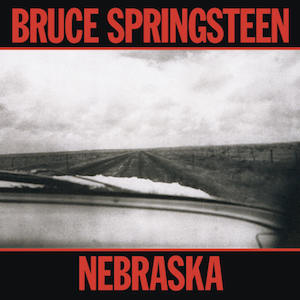 Bruce Springsteen was known for enormous rock performances, powerful songwriting, and the explosive sound of the E Street Band. His albums were filled with energy, emotion, and songs that seemed built for stadiums.
Then he released Nebraska.
The album was recorded largely on a four-track cassette recorder and featured sparse acoustic arrangements, haunting vocals, and dark stories about murder, desperation, crime, unemployment, and people struggling to survive.
There was no massive production. No huge guitar solos. No wall of sound. The recordings were intentionally rough, intimate, and unsettling.
Fans expecting another expansive rock album were confronted with a collection of quiet, bleak songs. The record was emotionally heavy and often offered no resolution. Its characters weren’t necessarily searching for redemption or a better future. Some were simply trapped in their circumstances.
The album challenged the image of Springsteen as a songwriter who celebrated working-class life and the American dream. Nebraska was about the people who fell through the cracks, the ones who didn’t make it, and the darker realities that existed beneath the mythology.
Its reputation eventually became enormous. The record influenced alternative country, indie folk, singer-songwriter music, and countless musicians who discovered the power of stripped-down recording.
Nebraska demonstrated that an album didn’t need a massive production to be powerful. Sometimes the rough edges were the entire point.
[Stream Full Album on Youtube]
Radiohead – Kid A (2000)
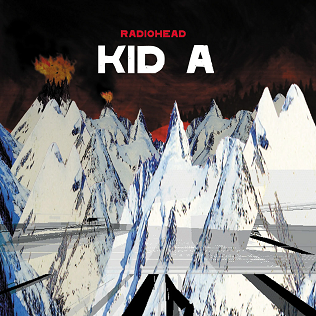 Radiohead had become one of the most successful alternative rock bands in the world following OK Computer. The album had established them as a group capable of combining accessible guitar music with complex ideas and experimental production.
Their next record seemed determined to destroy that identity.
Kid A abandoned much of the traditional rock sound that had made Radiohead famous. The album incorporated electronic music, ambient textures, manipulated vocals, unusual rhythms, jazz influences, and abstract arrangements.
The guitars were no longer the centerpiece. The songs were frequently difficult to identify as conventional rock compositions. Thom Yorke’s vocals were processed, distorted, or buried within the arrangements.
Fans who expected another OK Computer were confronted with something almost completely different.
There were no obvious radio singles. There was no attempt to recreate the band’s previous success. Instead, Radiohead released an album that seemed to be more interested in atmosphere, anxiety, and experimentation than in delivering recognizable rock songs.
The backlash wasn’t universal, but plenty of listeners were disappointed and confused. Some thought Radiohead had become pretentious. Others believed the band had simply lost its way.
The album eventually became one of the defining records of its era. Its electronic experimentation influenced alternative rock, indie music, and the relationship between rock musicians and electronic production.
Radiohead could have played it safe. Instead, they released an album that completely changed their trajectory.
Weezer – Pinkerton (1996)
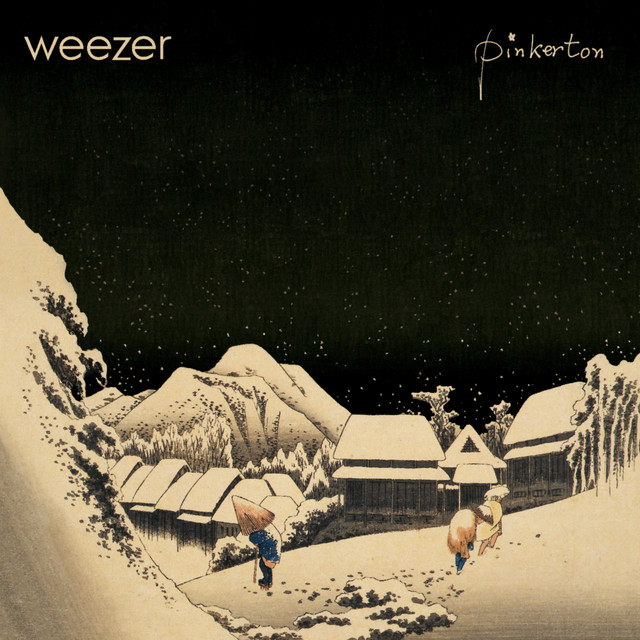 Weezer’s debut album had been an enormous success. It was catchy, polished, funny, and filled with songs that helped define alternative rock in the mid-1990s.
The follow-up was considerably less comfortable.
Pinkerton was raw, emotionally exposed, aggressive, and deeply personal. Rivers Cuomo wrote songs about loneliness, insecurity, romantic obsession, jealousy, and the uncomfortable realities of his own emotional life.
The album was less polished than the debut and frequently sounded like a band recording its feelings before it had time to reconsider them. The lyrics were awkward, sometimes embarrassing, and deliberately uncomfortable.
Critics were unimpressed. Many considered the album a disappointing follow-up, and its rough sound and emotionally intense lyrics were viewed as a step backward from the band’s successful debut.
Cuomo himself was reportedly disappointed by the response and later expressed embarrassment about the album.
But Pinkerton found a second life.
Younger listeners discovered the album and embraced its honesty, rawness, and emotional vulnerability. Its influence became particularly significant within emo, indie rock, and alternative music.
The album eventually became one of Weezer’s most beloved records and a frequent candidate for the band’s greatest achievement.
The record that once represented a career disappointment became the album fans refused to stop defending.
[Stream Full Album on Youtube]
Metallica – Load (1996)
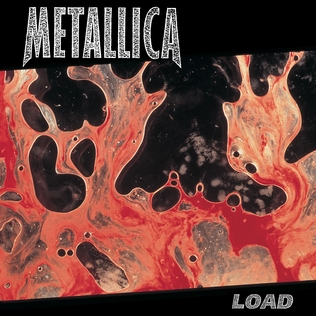 Metallica had spent years defining heavy metal and thrash. Albums like Ride the Lightning, Master of Puppets, and …And Justice for All had established the band as one of the most important heavy metal acts in the world.
Then came Load.
The album represented a dramatic change in sound and appearance. Metallica cut their hair, changed their visual identity, and embraced a sound influenced by hard rock, blues, alternative rock, and Southern rock.
The riffs were less aggressive. The songs were longer and more groove-oriented. The production was warmer, and the album lacked the relentless speed associated with the band’s earlier records.
For longtime fans, it felt like a betrayal.
Metallica had spent years building their reputation as a metal band, and Load seemed to abandon much of that identity. The change in appearance became almost as controversial as the music, with fans criticizing everything from the band’s haircuts to the album artwork.
The backlash was enormous.
Yet the album has developed a following over time. Songs such as “Until It Sleeps,” “Bleeding Me,” “The Outlaw Torn,” and “Hero of the Day” have found fans who appreciate Metallica’s willingness to experiment with a different songwriting approach.
It remains divisive, but the controversy surrounding Load illustrates how difficult it can be for a band to change direction after spending years establishing a recognizable sound.
The problem wasn’t necessarily that Metallica made a bad record. The problem was that many listeners wanted Metallica to remain the band they had been ten years earlier.
U2 – Pop (1997)
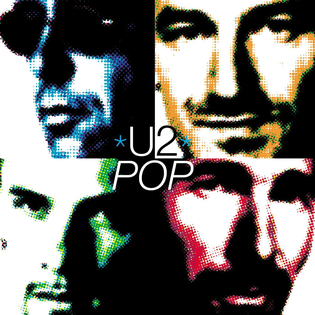 U2 spent much of the 1990s attempting to reinvent themselves. Following the enormous success of The Joshua Tree, the band embraced irony, electronic music, dance culture, visual spectacle, and a more experimental identity.
Pop was the culmination of that transformation.
The album featured electronic beats, loops, distorted guitars, dance-oriented production, and songs that often felt more interested in atmosphere than traditional rock arrangements. U2 had become one of the biggest bands in the world, and Pop was an attempt to challenge the expectations surrounding that status.
Unfortunately, the record arrived during a period of production difficulties and enormous pressure. The album’s release was delayed, and some of the material was reportedly rushed to meet deadlines.
Fans were divided. Some appreciated the experimentation, while others thought U2 had gone too far into electronic music. The record was criticized for sounding unfinished, overproduced, or disconnected from the band’s earlier emotional songwriting.
The accompanying PopMart tour was equally controversial, with its enormous visual spectacle, giant screen, and deliberately exaggerated presentation.
Over time, the album has received a more sympathetic reassessment. Songs such as “Gone,” “Staring at the Sun,” “Please,” and “Discothèque” have become appreciated by listeners who view the record as an ambitious attempt to escape the band’s established identity.
Pop remains one of U2’s most divisive albums, but it is also one of the band’s most interesting experiments.
** Editors Note, I have hated every note U2 has played since 1987, pure garbage, so fuck them**
[Stream The Full Album on Youtube]
Pink Floyd – The Final Cut (1983)

The Final Cut arrived during a period when Pink Floyd was falling apart creatively and personally. Roger Waters had become increasingly dominant within the band, and the album reflected his political concerns, personal grief, anger, and frustration.
The record was originally connected to ideas surrounding The Wall, but it developed into a much more personal project. Waters’ lyrics focused heavily on war, political leadership, loss, and the consequences of conflict.
The album’s sound was noticeably different from earlier Pink Floyd records. David Gilmour’s contributions were reduced, the expansive instrumental sections were largely absent, and the record was dominated by Waters’ vocals and songwriting.
Fans who expected another Dark Side of the Moon or Wish You Were Here were disappointed. The album felt less like a collaborative Pink Floyd record and more like a Roger Waters solo album carrying the band’s name.
The criticism was not simply about the darkness of the music. Pink Floyd had always explored dark subjects. The issue was that The Final Cut seemed to lack the collaborative atmosphere that had made the band’s greatest records so powerful.
The album remains divisive, but its political themes and emotional intensity have earned it a more appreciative audience over time.
It also serves as a fascinating document of the final collapse of the classic Pink Floyd lineup.
[Stream Full Album on Youtube]
The Kinks – The Kinks Are the Village Green Preservation Society (1968)
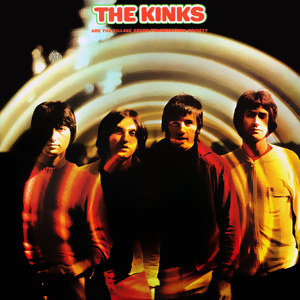 The Kinks released an album that seemed completely out of step with the musical world surrounding them.
In 1968, rock music was becoming louder, more experimental, and increasingly ambitious. Psychedelia was everywhere, musicians were exploring new sounds, and the album format was becoming a central part of rock culture.
Ray Davies went in a different direction.
The Kinks Are the Village Green Preservation Society was a nostalgic collection of songs about disappearing traditions, childhood memories, ordinary people, old-fashioned values, and the changing nature of English society.
The album was deliberately modest. It didn’t feature massive psychedelic arrangements or heavy production. Instead, it relied on songwriting, atmosphere, and the emotional connection between the past and present.
The record failed to achieve the commercial success the band hoped for. It was released at a moment when audiences were looking for something more dramatic, and its nostalgic approach seemed almost old-fashioned.
But time completely changed its reputation.
The album became one of the Kinks’ most celebrated works and a major influence on indie pop, alternative rock, and British songwriting. Its songs were eventually recognized for their subtlety, emotional depth, and extraordinary attention to detail.
Village Green is a perfect example of an album that didn’t necessarily fail because people hated it. It failed because people didn’t realize what they had.
** Editors Note: This is one of my favorite albums of all time**
[Stream The Full Album on Youtube]
My Bloody Valentine – Loveless (1991)
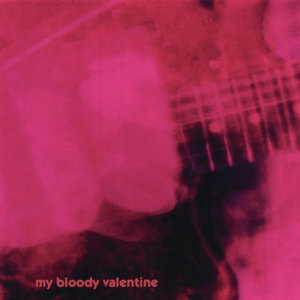 My Bloody Valentine’s Loveless became one of the defining albums of the 1990s, but its sound was initially difficult for many listeners to understand.
The album was built around distorted guitars, unusual recording techniques, buried vocals, soft rhythms, and melodies that seemed to disappear into enormous layers of noise.
The guitars didn’t sound like traditional guitars. They were manipulated, distorted, softened, and layered into a sound that was almost impossible to reproduce conventionally. The vocals were often barely audible, and the songs seemed to float rather than drive forward.
Some listeners loved it. Others thought it was simply noise.
The record also became notorious for its lengthy and expensive recording process. Kevin Shields’ obsession with the album’s sound created enormous studio difficulties, and the production became part of the record’s mythology.
Over time, Loveless became one of the most influential albums of alternative rock. Its approach to distortion, atmosphere, and guitar sound helped define shoegaze and influenced countless musicians across indie, alternative, and experimental music.
The album that sounded like a wall of noise eventually became a blueprint for an entire musical movement.
[Stream Full Album on Youtube]
The Clash – Cut the Crap (1985)
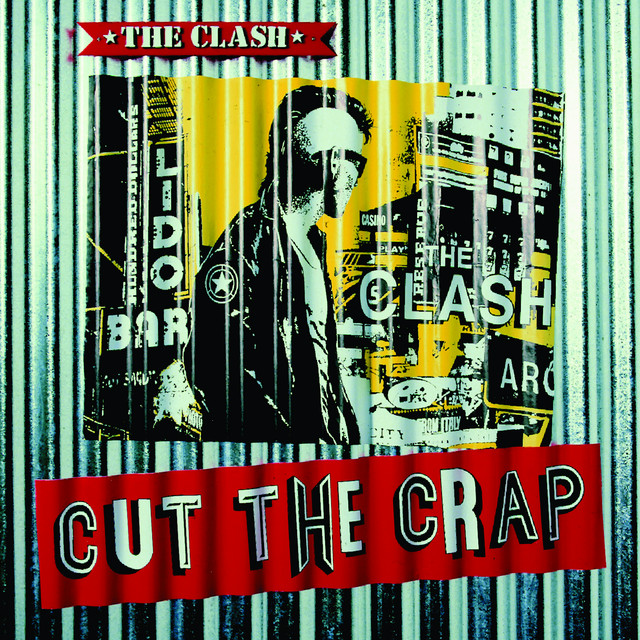 Not every hated album eventually becomes a masterpiece, and Cut the Crap is a reminder that sometimes the backlash is justified.
Released in 1985, the album arrived during one of the most difficult periods in the Clash’s history. Mick Jones was gone, the lineup had changed dramatically, and Joe Strummer was attempting to keep the band alive under increasingly difficult circumstances.
The record featured synthesizers, programmed drums, and production choices that sounded disconnected from the Clash’s earlier work. The band’s original chemistry had largely disappeared, and the album lacked the energy and musical identity that had made London Calling and Combat Rock so important.
Fans and critics were disappointed. The songs were widely viewed as weak, the production was criticized, and the album seemed like a poor conclusion to the career of one of punk rock’s most important bands.
Unlike Pinkerton or Kid A, Cut the Crap has not undergone a dramatic rehabilitation. It remains one of the least respected Clash albums.
But it belongs in this discussion because it demonstrates that not every album that receives backlash is misunderstood. Sometimes an album is released during a period of genuine creative decline, and the audience recognizes it immediately.
Frank Zappa – Jazz from Hell (1986)
 Frank Zappa was never interested in making music that was easy to categorize, but Jazz from Hell pushed his experimentation into particularly unfamiliar territory.
The album featured extensive use of the Synclavier, a digital synthesizer and music workstation that allowed Zappa to create incredibly complex instrumental compositions. The music was technical, strange, and frequently disconnected from conventional rock songwriting.
For listeners expecting guitar solos, vocals, humor, and the chaotic energy of the Mothers of Invention, the album could be a frustrating experience.
Much of the music was instrumental and built around intricate rhythms, unusual tonal structures, and digitally created sounds. Zappa was interested in the possibilities of technology and the ability to create music that could be performed with extraordinary precision.
The album was not a straightforward rock record. It was a collection of compositions that reflected Zappa’s growing interest in computer-based music and the possibilities of digital composition.
Its reception was mixed, and it wasn’t the kind of album that could attract casual listeners. However, it demonstrated Zappa’s willingness to embrace new technology and explore music outside the commercial expectations of his audience.
It eventually became an important part of his experimental catalog and remains a fascinating example of the intersection between rock, jazz, electronic music, and computer composition.
[Stream The Full Album on Youtube]
Guns N’ Roses – Chinese Democracy (2008)

Few albums arrived with more baggage than Chinese Democracy.
For years, the record had become a running joke. Guns N’ Roses fans waited through lineup changes, recording delays, rumors, abandoned sessions, and countless reports that the album was finally coming. By the time it was released in 2008, expectations were nearly impossible to satisfy.
The album wasn’t the classic Guns N’ Roses lineup returning to the studio. It was essentially an Axl Rose project featuring a constantly changing collection of musicians and collaborators. The sound was considerably more polished, layered, electronic, and modern than the raw hard rock of Appetite for Destruction.
The reaction was divided. Some fans appreciated the ambition and the enormous amount of work that had gone into the record. Others thought it sounded nothing like Guns N’ Roses and had waited years for an album that failed to deliver the band’s classic chemistry.
The production was especially controversial. The record featured layers of guitars, orchestration, effects, and modern studio techniques that seemed to move away from the dangerous simplicity of the band’s early music.
Over time, the album has found a more sympathetic audience. Listeners who approach it without expecting a reunion of the original band are more likely to appreciate its ambition, unusual arrangements, and some genuinely strong songs.
It remains a complicated record, but the years of anticipation and ridicule have occasionally overshadowed the music itself.
Green Day – Warning (2000)
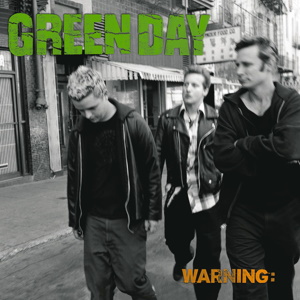 Following the enormous success of Dookie and Nimrod, Green Day entered the new millennium with Warning, an album that moved away from the fast, distorted punk sound that had helped define the band.
The record featured more acoustic guitars, folk influences, classic rock songwriting, and a considerably more relaxed approach to arrangements. Songs were less aggressive and more focused on melody, social commentary, and traditional songwriting structures.
The change disappointed some fans. Green Day had become one of the biggest punk bands in the world, and the new record seemed to abandon much of the energy associated with the genre.
The album also arrived during a period when the band was trying to maintain commercial momentum. While it received generally positive reviews, its sales were significantly lower than those of the band’s earlier major releases.
Over time, however, Warning has become one of the more appreciated albums in Green Day’s catalog. Its songwriting, political observations, and melodic approach have aged well, and many fans have come to appreciate the album as an important bridge between the band’s early punk sound and the ambitious work that would follow on American Idiot.
It wasn’t necessarily hated by critics, but it was definitely a record that disappointed listeners who wanted Green Day to remain exactly the same.
The Doors – The Soft Parade (1969)
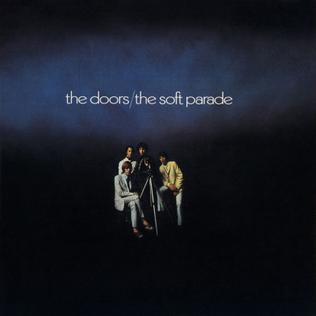 The Doors had established themselves as one of the most unpredictable rock bands of the 1960s. Their early albums combined blues, psychedelic rock, jazz, poetry, and Jim Morrison’s dark theatrical presence.
The Soft Parade changed the formula.
Released in 1969, the album featured more elaborate arrangements, horns, strings, and production elements that pushed the band away from the raw sound of its earlier records. The title track was an ambitious multi-section composition, and the album contained some of the band’s most unusual arrangements.
Fans and critics were divided. Some believed the band had become overly polished. Others felt the elaborate production distracted from the music’s intensity. The addition of orchestral elements was particularly controversial for listeners who associated the Doors with the stripped-down, dangerous atmosphere of their first two albums.
The record was also created during a difficult period for the band, with Morrison’s personal problems and the group’s changing creative dynamics affecting the recording process.
Over time, the album’s reputation has become more complicated. Some songs have received greater appreciation, and the record is now viewed as an ambitious experiment rather than simply a failed attempt to commercialize the Doors’ sound.
It remains one of the band’s more divisive releases, but its willingness to explore a different musical direction gives it a unique place in their catalog.
[Stream The Full Album on Youtube]
Elvis Costello – Almost Blue (1981)
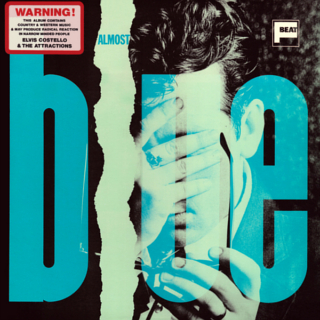 Elvis Costello had built a reputation as an angry, sharp-edged songwriter associated with punk, new wave, and politically charged rock. In 1981, he released Almost Blue, a country album filled with covers of classic country songs.
The change was unexpected.
Costello was not simply borrowing country influences for a rock record. He was recording an album that embraced the genre almost completely, including pedal steel guitar, traditional country arrangements, and songs associated with artists such as George Jones and Hank Williams.
Some fans were confused by the direction. Costello had become known for clever lyrics, aggressive guitar music, and the attitude of the British punk and new wave movement. A country album seemed like an entirely different artist.
The album’s reputation was also complicated by the fact that it was a covers record. Some critics questioned whether Costello was abandoning his own songwriting in favor of material that already had a long history.
However, the album eventually became appreciated for its sincerity and its deep understanding of country music. Costello wasn’t mocking the genre or using it as a temporary gimmick. He genuinely loved the music and approached it with respect.
Almost Blue helped demonstrate that Costello was far more versatile than the angry young songwriter image that had initially defined him.
R.E.M. – Monster (1994)
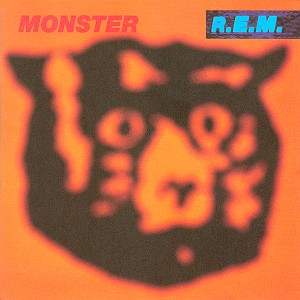 R.E.M. had spent years developing a sound that combined jangling guitars, melodic songwriting, atmospheric production, and Michael Stipe’s distinctive vocals. Monster represented a dramatic shift toward distorted guitars, glam rock influences, and a deliberately rougher sonic approach.
Released in 1994 after the enormous success of Automatic for the People, the album seemed almost designed to reject the expectations created by its predecessor. Instead of quiet acoustic songs and introspective arrangements, R.E.M. delivered loud guitars, feedback, strange vocal effects, and songs that were often more aggressive and playful.
The change was controversial. Some fans wanted another emotionally intimate record, and Monster sounded like a band deliberately moving in the opposite direction.
The album’s production also divided listeners. The guitars were intentionally distorted and sometimes buried the songs beneath layers of noise. Stipe’s vocals were frequently manipulated, making the record feel less natural than earlier R.E.M. releases.
Yet Monster became an important part of the band’s catalog. Its songs explored identity, sexuality, fame, obsession, and the strange relationship between public image and personal reality. The album’s sound was a deliberate departure, and the band seemed determined to avoid becoming predictable.
While it has never received the universal acclaim of Automatic for the People, Monster has become increasingly appreciated for its ambition and willingness to challenge the band’s own success.
[Steam Full Album on Youtube]
Styx – Pieces of Eight (1978)
 Few bands were selling millions of records while simultaneously getting kicked around by critics quite like Styx in the late 1970s. Pieces of Eight arrived in September 1978 following the enormous success of The Grand Illusion, putting the band in an enviable position commercially while making them an easy target for critics who had little patience for their theatrical, melodic, arena-sized rock.
Rolling Stone famously dismissed the album as “a parking lot full of whale vomit,” a review that became one of the most memorable insults in rock criticism. The phrase perfectly captured the disdain some critics had for Styx’s brand of polished, dramatic, synthesizer-heavy hard rock, even as audiences were buying the albums in enormous numbers.
The criticism wasn’t entirely surprising. Styx represented everything that certain rock writers increasingly disliked about mainstream arena rock: grand production, oversized choruses, elaborate arrangements, fantasy-inspired lyrics, and a willingness to embrace theatricality without apology. While punk was stripping rock down to its rawest elements and critics were celebrating music that challenged the excesses of the previous decade, Styx were leaning into those very excesses.
But Pieces of Eight was hardly a commercial failure or some forgotten disaster rescued decades later by nostalgia. The album became a major hit, producing songs that helped cement Styx as one of the biggest American rock bands of the era. The title track, “Renegade,” “Blue Collar Man (Long Nights),” and “Sing for the Day” gave the record a strong identity, balancing progressive-rock ambitions with songs designed to fill arenas.
The irony is that Rolling Stone’s insult has arguably lasted longer than many of the negative reviews written about albums that actually disappeared. Pieces of Eight remains a recognizable part of Styx’s catalog, while the “whale vomit” description is now frequently brought up as an example of critics completely missing the connection between a band and its audience.
Styx didn’t need approval from the rock press to succeed. They had millions of listeners, sold-out concerts, and a catalog that continued to find new audiences long after the critics had moved on. Pieces of Eight is a perfect example of an album that was treated as a punchline by some reviewers but became another major chapter in a band’s commercial legacy.
[Stream Full Album on Youtube]
Why These Albums Were Rejected
There is a common thread connecting many of these records. The albums were frequently released at a moment when the audience believed it understood the artist.
The Velvet Underground were supposed to make conventional rock music. David Bowie was expected to deliver another theatrical glam record. Metallica were supposed to remain the kings of thrash metal. Radiohead had become one of the biggest alternative rock bands in the world, and fans expected them to continue making guitar-driven records.
Instead, these artists changed direction.
Sometimes the changes were successful immediately. Sometimes the albums were genuinely flawed. Sometimes the music was so far ahead of its audience that it took years for listeners to understand what the artists were attempting.
There is also an important distinction between an album being hated and an album being ignored. Records like The Velvet Underground & Nico, Village Green Preservation Society, and Pinkerton were not necessarily universally despised. In many cases, they simply failed to generate the excitement or commercial success that later reputations would suggest.
The mythology surrounding these albums can sometimes exaggerate the original backlash. Not every future classic was universally hated upon release. But many of them were misunderstood, underappreciated, commercially disappointing, or criticized for challenging expectations.
That may be the most interesting part of the story.
Nearly 50 years later, they are still selling out arena and Amphitheater shows across the country every summer.
An album doesn’t have to be universally hated to be misunderstood. Sometimes it only needs a few years, a different generation of listeners, and the willingness to hear something without demanding that it sound like the artist’s previous record.
The Albums That Outlived Their Critics
The music industry is built around immediate reactions. Albums are reviewed within days, sales are measured within weeks, and commercial expectations can determine whether an artist is considered successful or disappointing.
History doesn’t work that way.
Some albums need time. Their production techniques become influential only after other musicians begin copying them. Their lyrics become more meaningful as the world changes. Their sounds become familiar after entire genres develop around the ideas they introduced.
Kid A sounds considerably less alien today because electronic experimentation has become part of mainstream music. Low is easier to appreciate after decades of post-punk and electronic music have absorbed its influence. Pinkerton became more beloved when a younger generation of musicians recognized its emotional honesty. Pet Sounds grew into a towering monument because musicians continued discovering new things inside its arrangements.
The initial reaction to an album is only one moment in its life.
Sometimes a record arrives too early. Sometimes it arrives at exactly the wrong moment in an artist’s career. Sometimes the audience simply isn’t ready to follow the musician into unfamiliar territory. And sometimes the critics are right, the album really is a mess, and the passage of time doesn’t magically fix it.
But the greatest albums that were misunderstood have one thing in common: they refuse to disappear.
They keep getting discovered. They keep influencing musicians. They keep showing up on lists, in conversations, in record collections, and in the headphones of people who weren’t even alive when they were released.
A bad first impression doesn’t necessarily mean a bad album.
Sometimes it means the album was waiting for the right audience to finally show up.
This post has already been read 36 times!