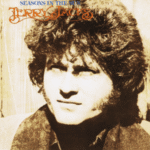
 Few songs in pop music history have captured the bittersweet feeling of saying goodbye quite like “Seasons in the Sun.” Recorded by Canadian singer Terry Jacks and released in 1973, the song became one of the most emotionally powerful—and commercially successful—hits of the decade. With its simple melody and reflective lyrics about friendship, love, and mortality, the track struck a deep emotional chord with listeners around the world.
By early 1974, “Seasons in the Sun” had become an international sensation, topping the charts in multiple countries and selling millions of copies. It eventually reached No. 1 on the Billboard Hot 100, where it stayed for three weeks. The song also became one of the biggest-selling singles of the entire decade.
Yet the story behind “Seasons in the Sun” is more complex than many listeners realize. Originally written in French, the song evolved through several versions before Terry Jacks transformed it into the haunting farewell ballad that captured the hearts of millions.
The Song’s French Origins
Before Terry Jacks recorded “Seasons in the Sun,” the song existed in a very different form. It was originally written in 1961 by Belgian singer-songwriter Jacques Brel, one of the most influential European musicians of the 20th century.
Brel’s original song, titled “Le Moribond” (“The Dying Man”), was darker and more satirical than the version that would later become famous. In Brel’s lyrics, a dying man says goodbye to several people in his life—including a friend who betrayed him and a priest he openly mocks.
The song carried a sense of irony and biting humor that was typical of Brel’s songwriting style. While the subject matter involved death, it wasn’t meant to be sentimental. Instead, it reflected Brel’s sharp observations about relationships and human flaws.
The transformation of the song into the version most people know today began when American folk singer Rod McKuen created an English adaptation of Brel’s lyrics in the 1960s.
Rod McKuen’s Adaptation
Rod McKuen’s English version dramatically changed the tone of the original song. Rather than focusing on sarcasm or bitterness, McKuen rewrote the lyrics as a sincere and emotional farewell from a dying man to the important people in his life.
In this new version, the narrator says goodbye to his childhood friend, his father, and the woman he loves. The song emphasizes gratitude, regret, and reflection rather than anger.
The shift in tone made the song more accessible to mainstream audiences, transforming it into a heartfelt meditation on life and friendship.
Several artists recorded McKuen’s version during the late 1960s, including The Kingston Trio. However, none of these recordings became major hits.
That would change when Terry Jacks decided to record the song in 1973.
Terry Jacks and the Perfect Arrangement
Terry Jacks was already an experienced musician before recording “Seasons in the Sun.” As part of the pop duo The Poppy Family, he had enjoyed moderate success with songs like “Which Way You Goin’, Billy?”
When Jacks decided to record “Seasons in the Sun,” it was originally intended for The Beach Boys, with whom he had been working as a producer. However, the band ultimately chose not to release the recording.
Jacks then decided to record his own version of the song.
This decision proved to be career-defining.
His arrangement stripped the song down to its emotional core. Featuring gentle acoustic guitar, soft orchestration, and a steady rhythm, the production created a warm yet somber atmosphere.
Unlike heavily orchestrated ballads of the time, the arrangement for “Seasons in the Sun” felt simple and intimate.
That simplicity allowed the song’s emotional message to shine.
Lyrics of Reflection and Farewell
The lyrics of “Seasons in the Sun” revolve around a man reflecting on the relationships that shaped his life as he prepares to die.
The song begins with a farewell to a childhood friend:
“Goodbye to you, my trusted friend
We’ve known each other since we were nine or ten…”
These lines establish the song’s nostalgic tone. The narrator remembers youthful adventures and carefree moments that now feel distant as he faces the end of his life.
In the next verse, he says goodbye to his father, expressing gratitude for the guidance and love he received growing up.
Finally, the narrator addresses the woman he loves, apologizing for mistakes and acknowledging the pain he may have caused.
Despite the sadness of the situation, the song carries a sense of appreciation for life’s experiences.
The famous chorus reinforces this feeling:
“We had joy, we had fun
We had seasons in the sun…”
Rather than focusing solely on loss, the song celebrates the memories created during those seasons of happiness.
It’s a reminder that even fleeting moments of joy can have lasting meaning.
A Voice Filled with Emotion
Terry Jacks’ vocal performance plays a crucial role in the song’s impact.
His voice is gentle and slightly fragile, perfectly suited to the reflective nature of the lyrics. Rather than delivering dramatic or theatrical vocals, Jacks sings with a quiet sincerity that makes the story feel personal.
The simplicity of his performance allows listeners to connect directly with the emotion of the song.
It feels less like a polished pop production and more like a personal farewell.
That authenticity helped the song resonate with audiences around the world.
A Global Phenomenon
When “Seasons in the Sun” was released in late 1973, it quickly gained traction on radio stations across North America.
By early 1974, the song had become a massive international hit.
It reached No. 1 on the Billboard Hot 100 in the United States and topped the charts in countries including the United Kingdom, Canada, and Australia. The single eventually sold more than 14 million copies worldwide, making it one of the best-selling singles of all time.
For Terry Jacks, the song became both a blessing and a challenge.
While it brought him global recognition, it also overshadowed much of the rest of his career. “Seasons in the Sun” remains his most famous recording by a wide margin.
Mixed Critical Reactions
Despite its commercial success, “Seasons in the Sun” has always been a somewhat divisive song among critics.
Some listeners appreciate its heartfelt sincerity and emotional storytelling. Others feel the song leans too heavily into sentimentality.
Over the years, it has even appeared on lists of both the greatest and most disliked songs in pop history.
Yet regardless of critical opinions, the song’s impact on listeners is undeniable.
For many people, it remains a deeply moving reflection on life, friendship, and mortality.
Why the Song Endures
More than fifty years after its release, “Seasons in the Sun” continues to hold a place in popular culture.
Part of the reason for its longevity is the universality of its themes. Everyone experiences loss, reflection, and the passage of time. The song’s message about appreciating life’s moments resonates across generations.
The melody also plays a key role in its endurance. Its gentle, sing-along quality makes it easy for listeners to connect with.
Even people hearing the song for the first time can quickly recognize its emotional core.
A Farewell That Lives On
In the end, “Seasons in the Sun” is a song about looking back on life with gratitude, even as it comes to an end.
Its lyrics remind listeners that relationships and memories are the most meaningful parts of life. The “seasons” referenced in the chorus represent the different stages of our experiences—moments of joy, adventure, and connection that shape who we are.
Terry Jacks’ version of the song transformed a European cabaret composition into a global pop phenomenon. Through its heartfelt lyrics and simple melody, it captured a universal human emotion: the desire to say goodbye with love rather than regret.
Decades later, the song still carries that message.
And whenever those familiar opening chords begin to play, listeners are reminded of the fleeting beauty of life’s seasons in the sun.
This post has already been read 1071 times!